Traveling to Abuja, Nigeria – Tips from an American Tourist
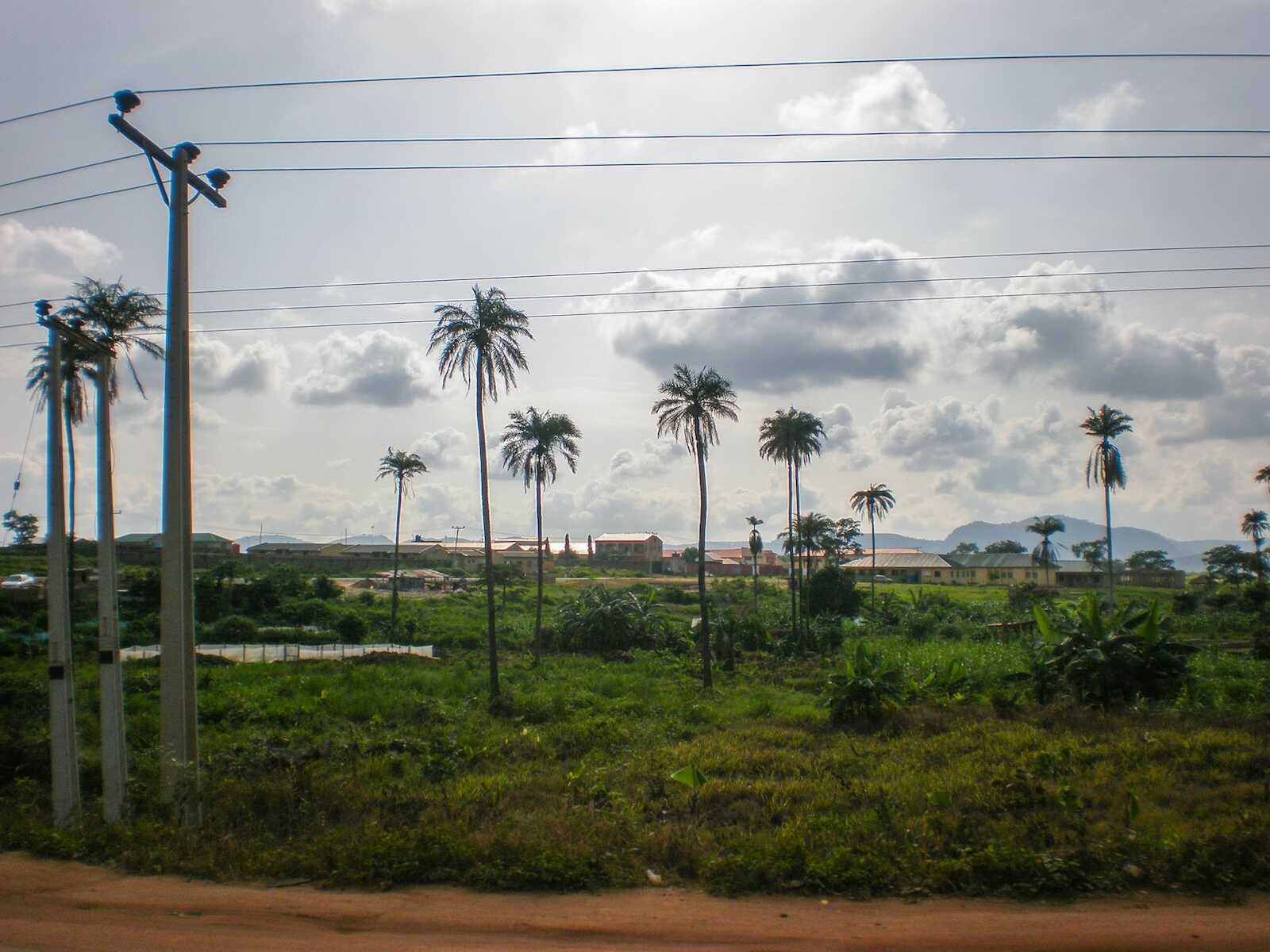
In 2008 I traveled to Nigeria with a group from my university business association. We stayed for a week in Abuja while providing assistance for an international business and entrepreneurship conference. To say that these travels were another worldly experience is an understatement. This is definitely not your typical tourist destination, even by African standards. Most Americans who visit the continent of Africa are headed on a safari tour, or on a beach vacation in Northern African countries like Tunisia. The urban cities of Nigeria are most frequented by locals and those with business in the area.
For anyone curious about what a visit to Nigeria would entail, I have written a comprehensive account of our travels and included over 100 photos. I have particularly included details of challenges and unexpected occurrences that any visitor should be aware of. The more you know in advance, the better you can come prepared.
I would also like to say that some of these photos may be triggering or difficult to look at. This is definitely not your typical vacation experience, and there’s many images showing extreme poverty, security guards holding weapons, etc. I will further explain the details behind these photos within the copy below, but I just wanted to issue a warning beforehand.


Nigeria Travel Advisory for Americans
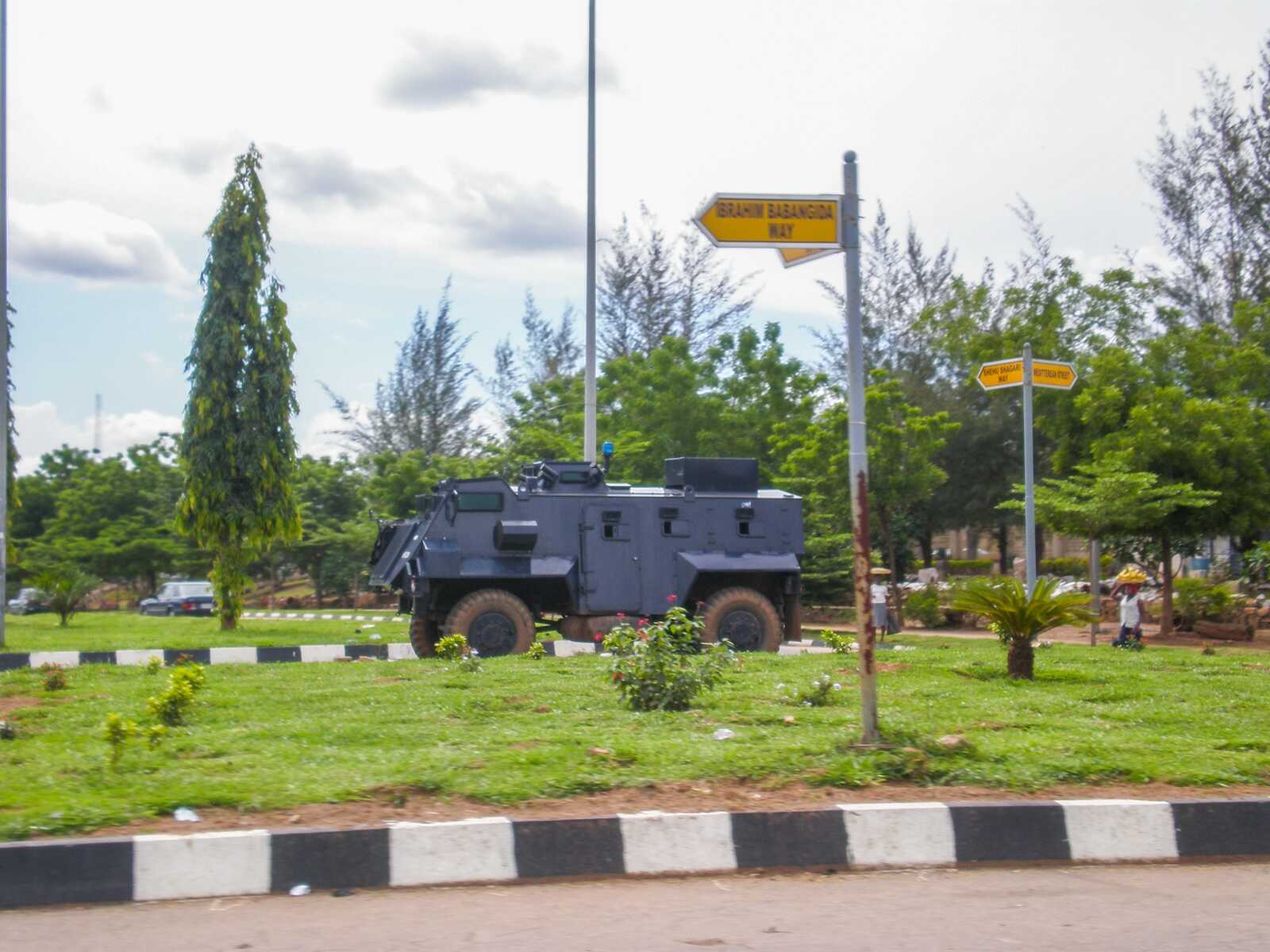
I’m going to start out by saying that Nigeria is not necessarily considered to be a safe place for Americans to visit. Our group had made prior arrangements to be escorted around by armed security guards, as well as having them posted outside our hotel at all times. I believe this was arranged with local government officials who were associated with the business conference that we came to facilitate.
As of the latest updates, the U.S. Department of State advises Americans to exercise caution if traveling to Nigeria due to crime, terrorism, civil unrest, and kidnapping risks. The current advisory suggests different risk levels across the country:
Terrorism and Insurgency:
Northeast Nigeria, especially Borno, Yobe, and northern Adamawa states, is highly risky due to terrorist activities by groups like Boko Haram and ISIS-West Africa. These groups target military and civilian locations, including markets, schools, and religious sites.
Crime and Kidnapping:
Urban areas like Lagos, Abuja, and Port Harcourt see a high level of violent crime, including armed robbery, carjacking, and kidnapping. Foreigners may be targeted, especially in public areas or while traveling.
Kidnappings for ransom are a significant issue, particularly in northern and central Nigeria, where foreigners and high-profile individuals are common targets.
Civil Unrest:
Protests and demonstrations may occur unexpectedly and escalate into violence, particularly in cities. Americans are advised to avoid large gatherings and monitor local news.
Piracy:
The Gulf of Guinea, off the coast of Nigeria, is notorious for piracy, including kidnappings and armed attacks on vessels. This makes maritime travel hazardous.

The Most High-Risk Areas of Nigeria to Travel
For Americans traveling in Nigeria, you shouldn’t expect that you’ll receive much assistance from the US government to intervene with aide in the event that something bad happens. The simple fact is that the government has limited ability to provide assistance in many areas of Nigeria. This is particularly true in the below areas that pose the highest threats.
Americans are advised not to travel to the north and central regions of Nigeria:
- Borno, Yobe, and northern Adamawa due to terrorism.
- Kogi, Bauchi, Gombe, and Kaduna states due to kidnapping risks.
- Riverine areas like Delta, Bayelsa, and Rivers (excluding Port Harcourt) due to piracy and militant violence.
Safety Measures to Take When Traveling in Nigeria
If I didn’t completely scare you and you’ve decided to venture forward with your Nigerian travels, you should definitely take the below safety precautions:
- Register with the Smart Traveler Enrollment Program (STEP) to receive alerts from the local embassy about safety conditions in your area.
- Maintain a low profile and don’t make yourself a target by showing off wealth or the fact that you’re a tourist.
- Avoid being out at night or walking alone between destinations.
- Make safe arrangements for transportation with reputable companies.
- Align yourself with a trusted regional organization run by locals who can advise you on safe practices.
The Required Vaccinations to Travel to Nigeria
The yellow fever vaccine was required for travelers entering and leaving Nigeria. These types of travel-related vaccines are offered by the county health department or special travel services. Yellow fever is not a commonly found vaccine in the United States, and you may have to research and commute to a county further away than your home to get an appointment for the shot. It cost about $125 at the time when I got my vaccine, and I had to drive for a couple hours to a further away county health department. It’s recommended to get the vaccine at least 4 – 8 weeks before your travel date to build-up immunity.
The Covid-19 vaccination is no longer required for travel to Nigeria.
While there’s no vaccine for malaria, you can take prevention medicine to reduce your risk of contracting it from mosquitos. These medications are by prescription only from your doctor.
Americans Need a Visa to Enter Nigeria
While a US passport will get you into many countries without a Visa, Nigeria is not one of those places. Americans will need to acquire a Visa to enter Nigeria. I used the VisaHQ.com service to get my visa to Nigeria. At the time in 2008 it cost $286.00, but it looks significantly more expensive now (the website is estimating $800). Processing time is estimated to be around 15 days, but I would plan for it to be at least a month. You will have to send in your passport, so you definitely don’t want to be cutting it close. That being said, you can’t do it too far in advance because Nigeria visas must be used within 90 days from the date of issuance.
Required Documentation for a Travel Visa to Nigeria:
- Original Passport – The passport must be valid at least 6 months after the intended date of departure from the territory of the destination country and has at least 2 blank visa pages.
- Passport-type Photograph – 2 2×2 passport style photos.
- Hotel Reservations – Copy of hotel reservations (Applicant’s name must be on Hotel Reservation).
- Flight Itinerary – A copy of round trip tickets or detailed itinerary for the duration of the trip. The applicant’s name must be on itinerary.
- Personal Invitation – Letter of invitation with the contact information of the host and visitor, purpose and duration of the visit, confirmation of accommodation including the address, signature and date.
- Host’s ID – Must provide a copy of the host’s local ID or passport.

Booking Your Flight to Nigeria from the United States
Many airlines don’t have flights available to Nigeria. We found flights with Lufthansa that went from San Francisco to Europe, and then on to Africa. Most of us had a layover either in Germany or the Netherlands, and then a second layover on the island of Malabo, Equatorial Guinea, until we arrived in Nigeria. It took about 2 days of travel to arrive to our destination. My flight cost about $1,800.
Two international airports Murtala Mohammed Airport and Nmandi Azikiwe Airport are the major
entry points into Nigeria and serviced by major airlines. However, it is advisable you choose airlines
that fly directly into Abuja. KLM, British Airways, Virgin Atlantic, Lufthansa, all have direct flights into
Abuja. Air France, Southern China Airways, Emirates Airline, Kenya Airways, Ethiopian Airline and
Turkish Airways fly into Lagos.

Hotel Accommodations in Abuja, Nigeria
Our group stayed at the Bolingo Hotel & Towers Abuja. It was not luxury accommodations, but it got the job done. It was clean enough and provided the basics.
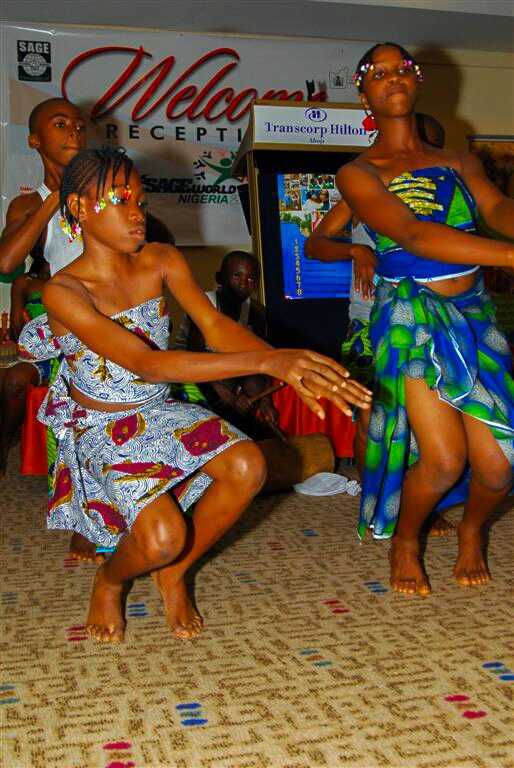
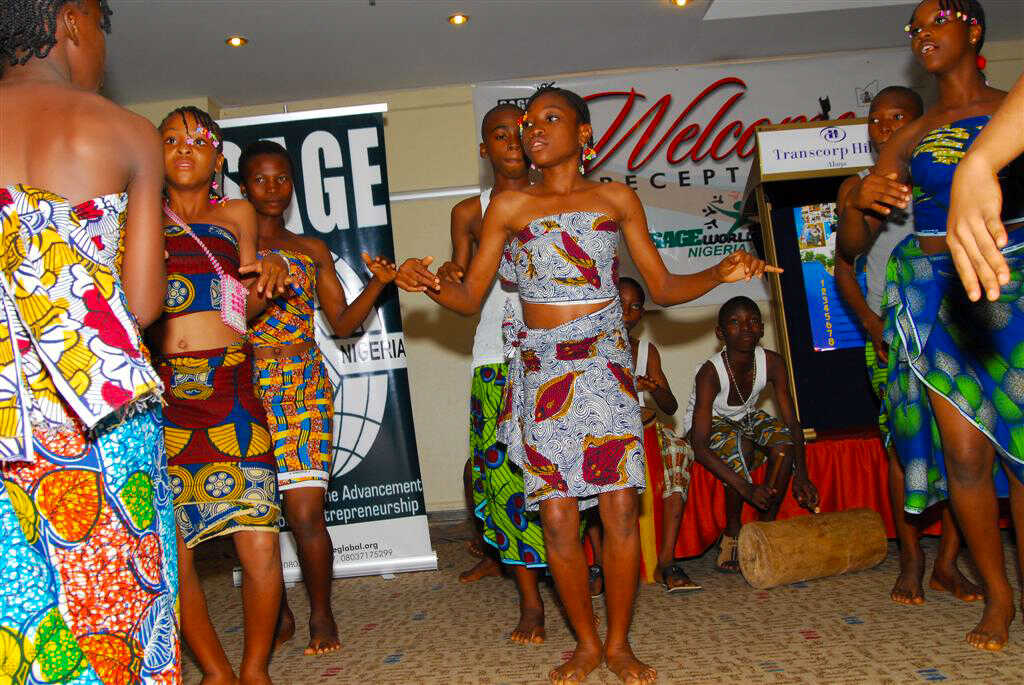
We used the conference center at the Transcorp Hilton Abuja for the events, which is where many foreigners stay when visiting Abuja.

All About Nigerian Currency vs the US Dollar
The Nigerian currency, the Naira (NGN), has experienced significant fluctuations in its value compared to the US dollar (USD) over recent years.
While the official exchange rate set by the Central Bank of Nigeria often ranges between 750 to 800 NGN per 1 USD, the parallel market (aka black street market) rate can be significantly higher. Many people use the black market for better exchange rates, but it’s unofficial and can carry risks, such as counterfeit currency or scams.
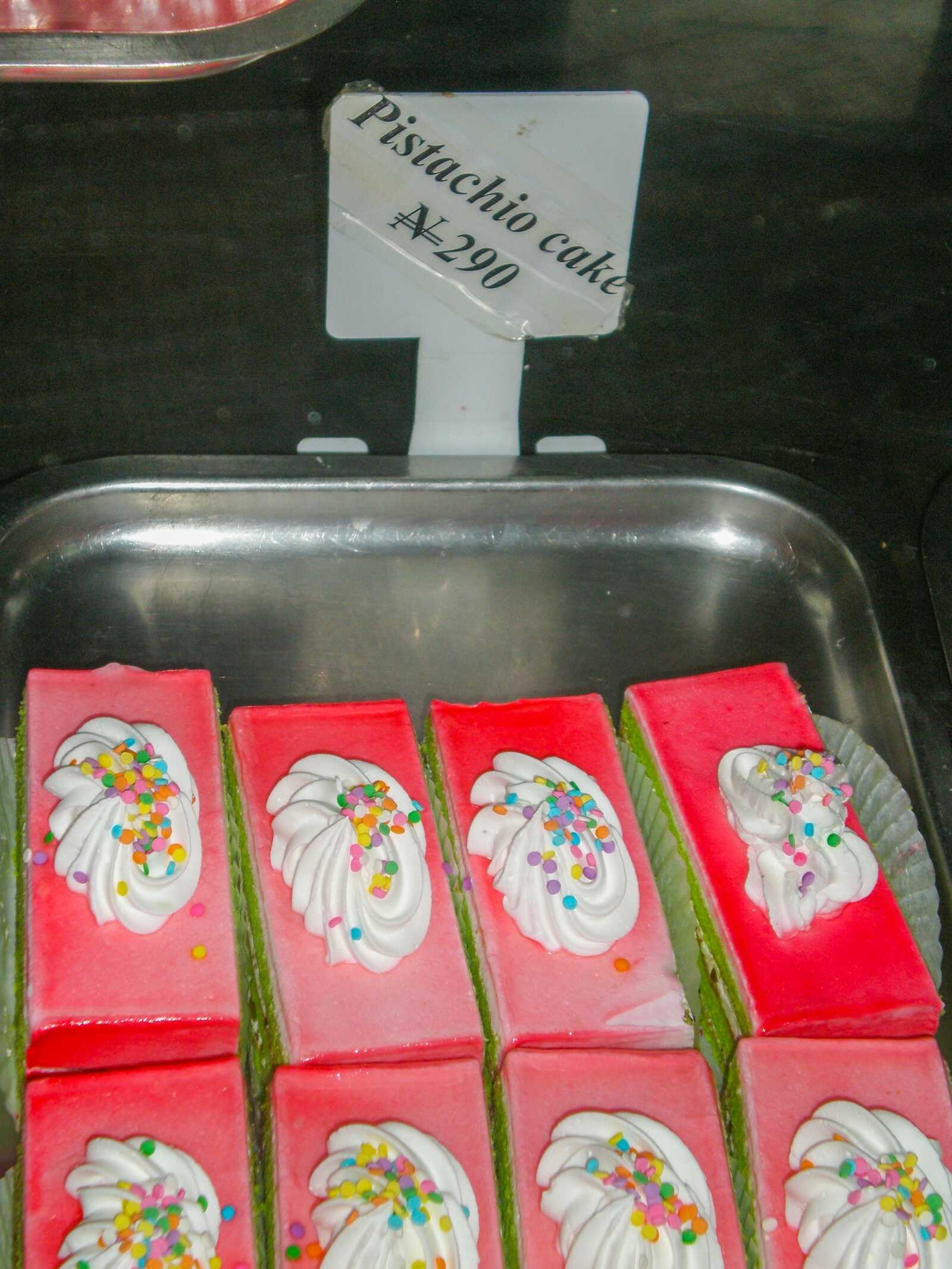
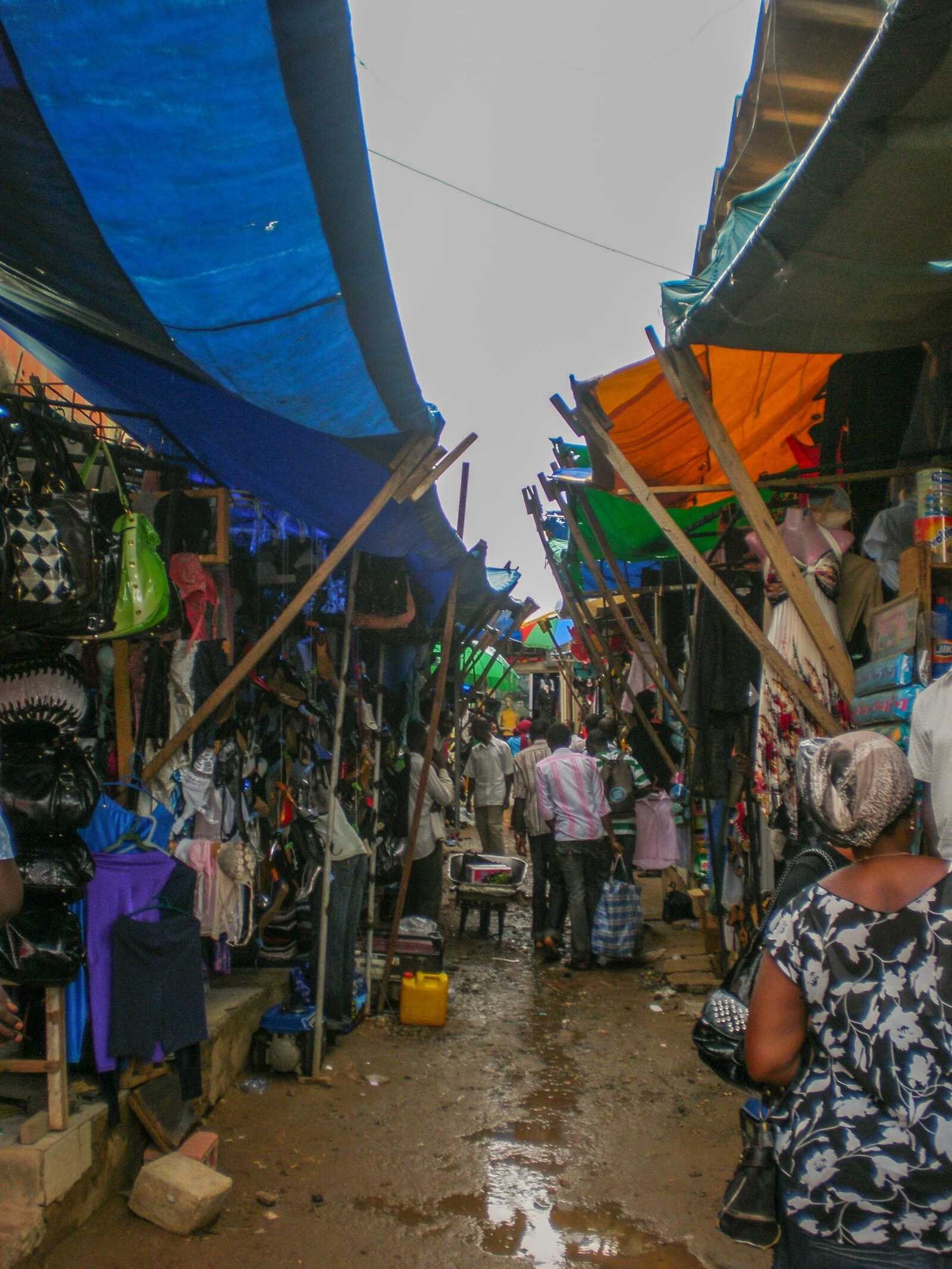
In short, the US dollar is strong in Nigeria, so you are in more lucrative position with more purchasing power. That being said, there isn’t much shopping available, especially no name brands or luxury items.
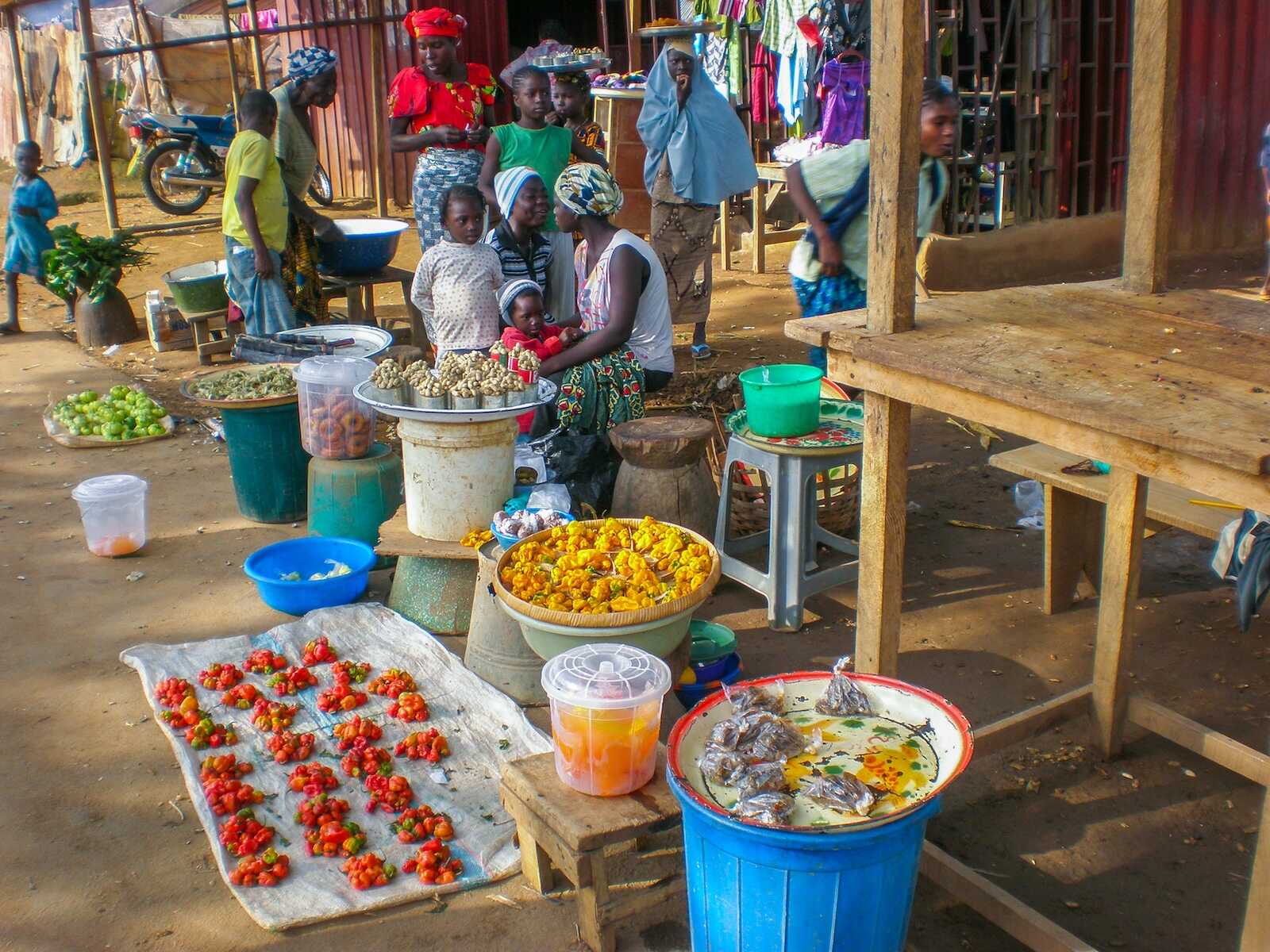
I personally found that the ATMs in Abuja were very unreliable and often didn’t work properly. I was trying to use my debit card to get Naira cash out, but I often couldn’t get the transaction to go through. I recommend coming prepared with the Naira cash you will need, or make plans to go to a bank. Many local vendors only accept cash to buy food or goods.


Language Spoken in Nigeria
Most people in Nigeria speak English, making communication fairly easy for Americans. Of course there’s local colloquialisms, accents and cultural differences, but you can usually get your message across.

Food in Nigeria
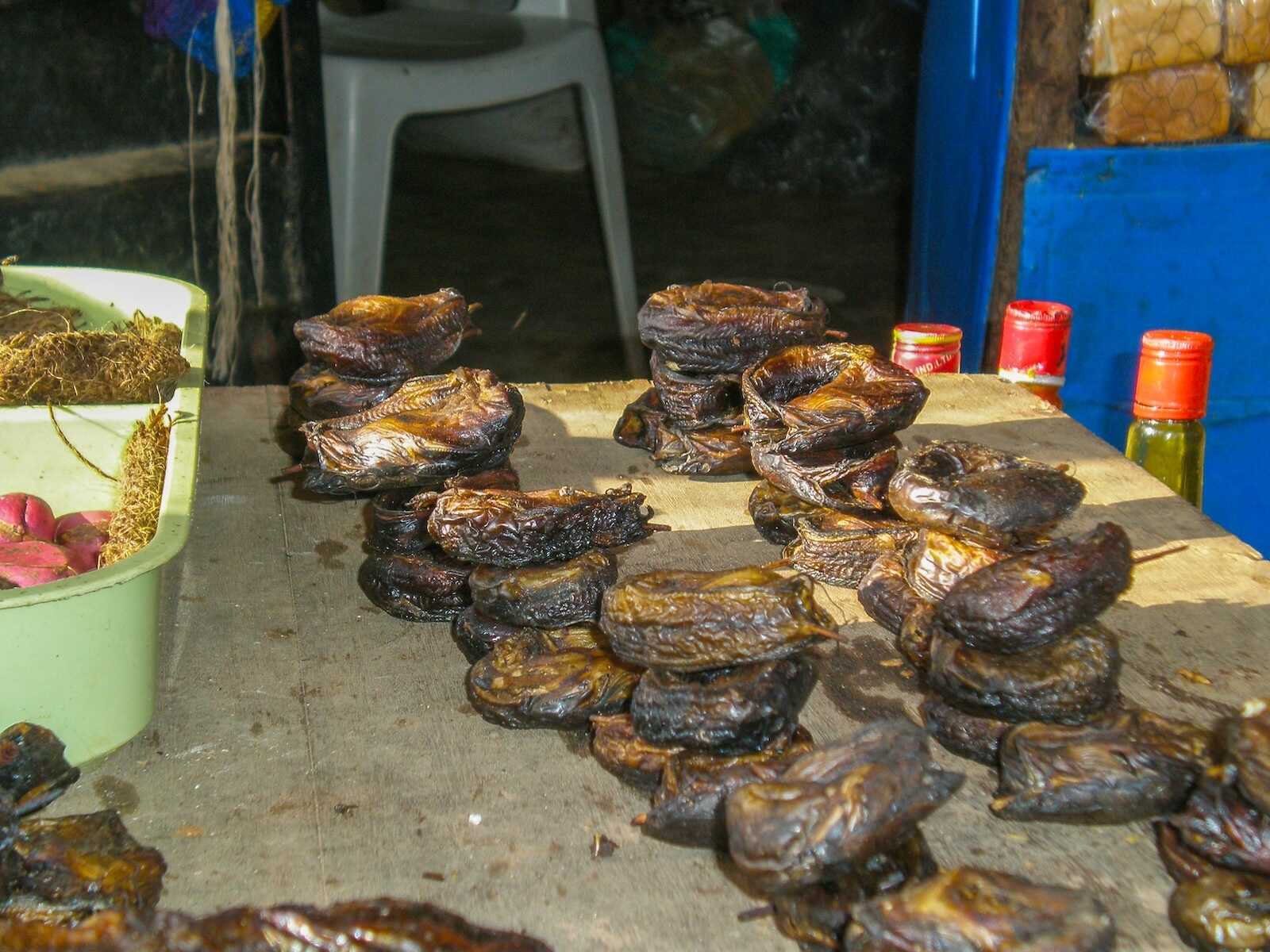
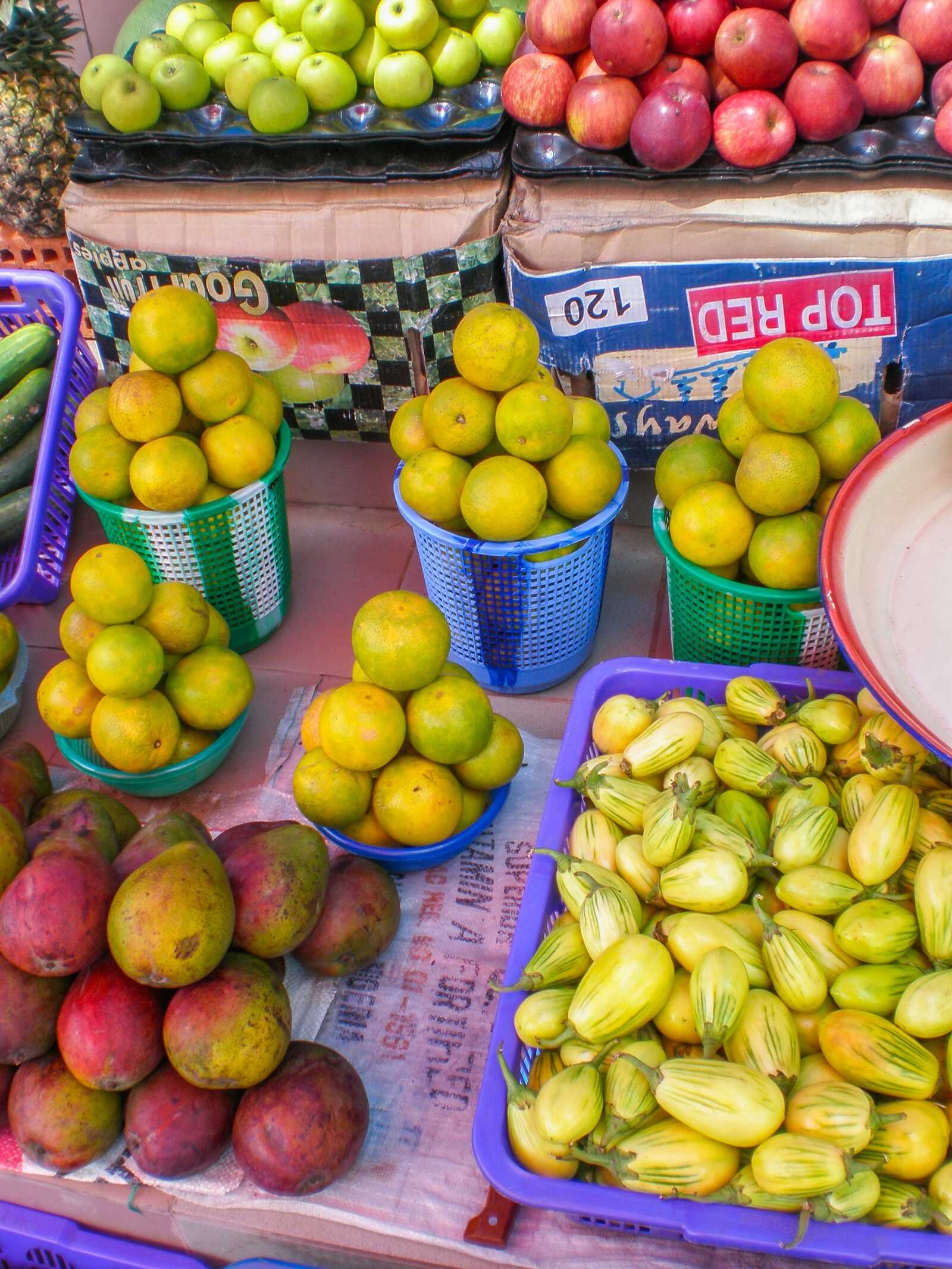
I tend to be an adventurous foodie eater and I generally enjoy trying local cuisine when I travel, but I really struggled with the food in Nigeria. Most of the dishes are meat-based with sauces, served with rice or bread. The appearance and smell of the food was just too foreign for me and I couldn’t eat more than a few bites. I think I mostly ate bread, crackers, rice, fruit and vegetables.
We did have some members of our group get very sick with digestion issues like nausea and diarrhea. It could have been from the water, from the food, or both. Make sure that you’re only drinking sealed bottled water. That means no drinks with ice cubes. Also, we noticed that sometimes when you ordered bottle water at a restaurant, they would hand you a bottle of water that was already opened with tap water inside. Make sure that you open a sealed bottle of water!


Weather in Nigeria
Abuja, the capital city of Nigeria, experiences a tropical savanna climate characterized by distinct wet and dry seasons. The rainy season in Abuja typically lasts from April to October, with the heaviest rainfall occurring between July and September. During this period, the city experiences frequent showers and thunderstorms, with average temperatures ranging between 72°F to 86°F.
The dry season, from November to March, brings much less rainfall, and temperatures rise significantly, especially from December to February, when the Harmattan winds from the Sahara blow in, creating dry, dusty, and cooler conditions, particularly in the mornings and evenings. Daytime temperatures during the dry season can soar to around 100°F, but the Harmattan provides some relief by lowering humidity levels.
Overall, Abuja’s climate is moderate compared to the more extreme heat of northern Nigeria, making it relatively pleasant year-round.
The Best Time of Year to Visit Abuja
The best time to visit Abuja, Nigeria, is during the dry season, particularly between November and February. During these months, the weather is more comfortable and predictable, with minimal rainfall and pleasant temperatures. The Harmattan winds from the Sahara bring cooler, dry air, reducing humidity and making the mornings and evenings cooler. Daytime temperatures range from 77°F to 86°F, which is moderate compared to the scorching heat experienced later in the dry season.
During our trip, we visited during the month of June and it was definitely very hot and humid.

What to Pack for a Trip to Nigeria
When packing for a trip to Abuja, it’s important to consider the tropical climate and plan accordingly for the time of year you’re visiting. Here’s a guide on what to bring:
Clothing:
- Lightweight, breathable fabrics: Pack light, breathable clothes made from cotton or linen, as Abuja can get warm, especially during the dry season.
- Layered clothing: The Harmattan season (November to February) can bring cooler mornings and evenings, so bring light sweaters or jackets.
- Comfortable shoes: Include comfortable shoes for walking and exploring.
- Modest attire: Nigeria is culturally diverse, and in some settings, modest clothing is expected by women. Consider packing outfits that cover shoulders and knees, particularly if visiting religious or traditional areas.
Weather Essentials:
- Sunscreen and sunglasses: Abuja can be quite sunny, so it’s important to protect yourself from UV rays.
- Hat or cap: To provide shade from the sun while walking around.
- Umbrella or lightweight rain jacket: If traveling during the rainy season (April to October), prepare for occasional showers.
Health and Safety:
- Insect repellent: Protect yourself from mosquitoes, especially at dusk.
- Personal medications: If you’re on medication, ensure you bring enough supply, along with a travel-sized first aid kit.
- Hand sanitizer and wipes: Helpful for keeping clean while on the go.
Travel Documents and Electronics:
- Travel adapters: Nigeria uses Type D and G power plugs with a voltage of 230V, so bring a suitable adapter.
- Power bank: To charge your devices while out exploring.
- Copies of important documents: Keep extra copies of your passport, visa, and any travel insurance.
- Local currency (Naira): Although you can exchange money upon arrival, it’s good to have some local cash for small purchases.


Rolling Blackouts in Nigeria
My travels in Nigeria was the first time I had ever experienced rolling blackouts on a regular basis. Every day, multiple times a day, the power would go out completely. We would be sitting in a restaurant and the lights would go out and we would be in complete darkness for a few minutes. The blackouts generally lasted about 5 minutes, and then the power would be restored for a few more hours. If you are ever working on a computer in Nigeria, make sure to be saving your work every 20 minutes or so.
Things To Do in Abuja, Nigeria
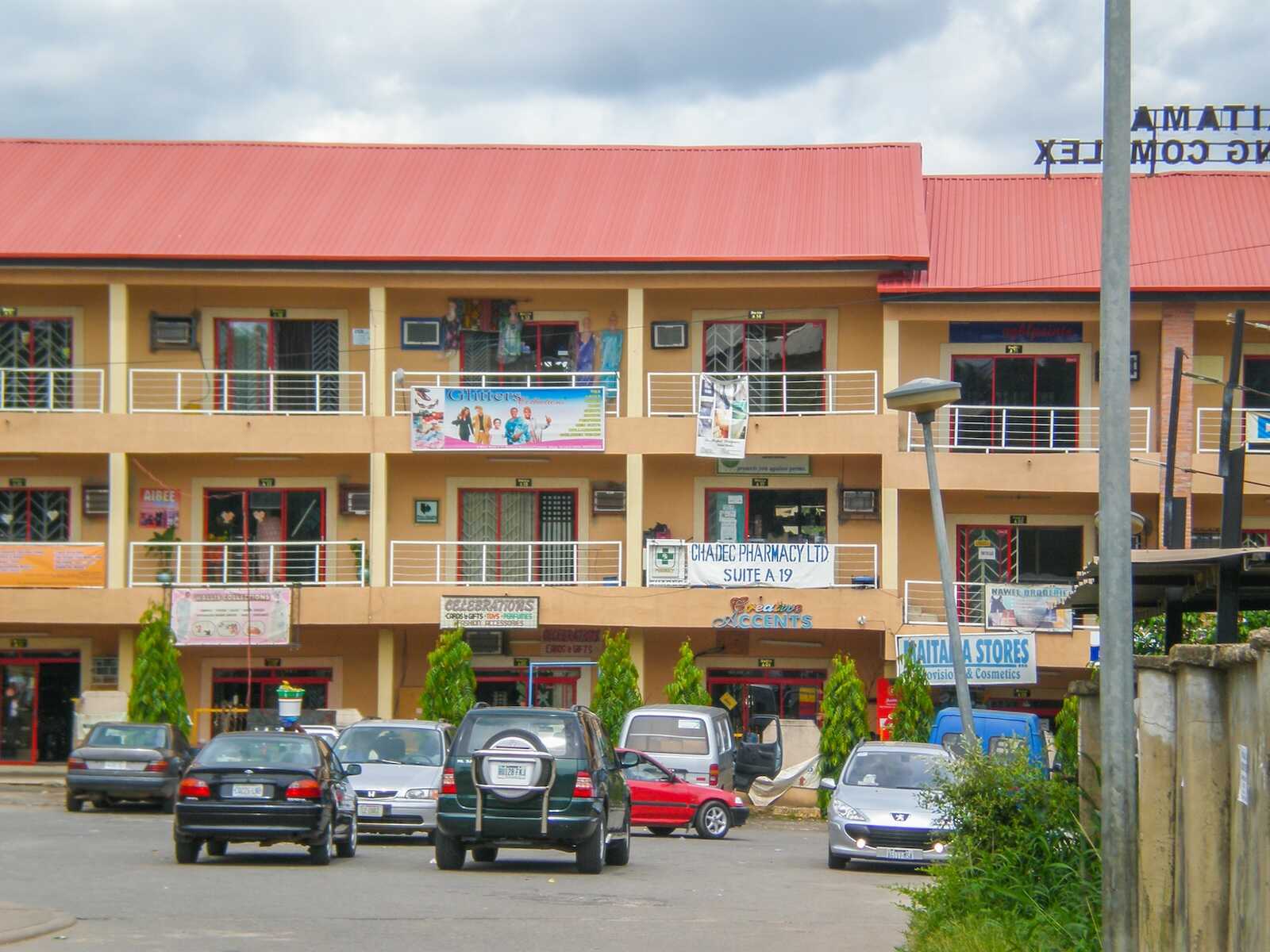
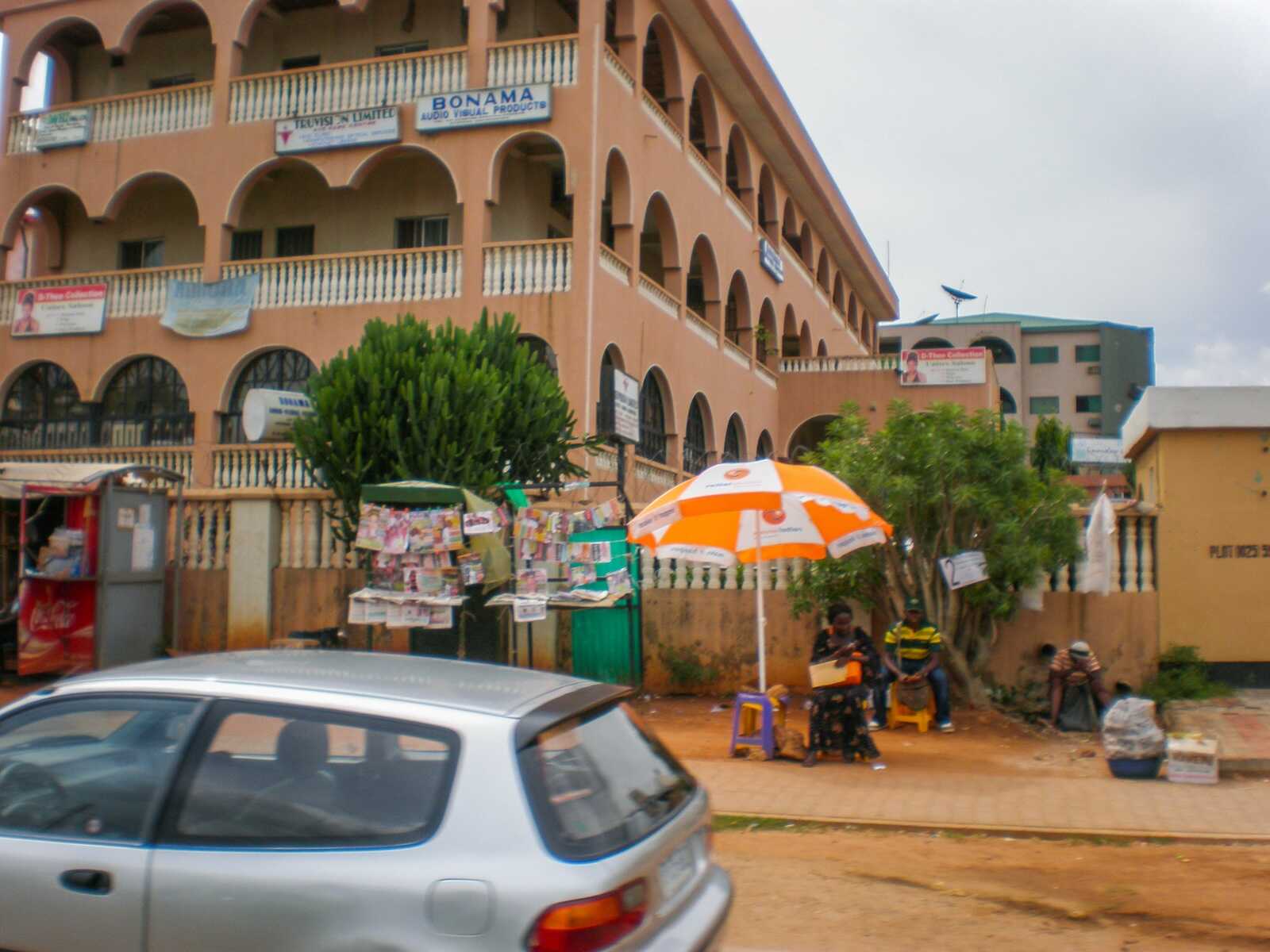
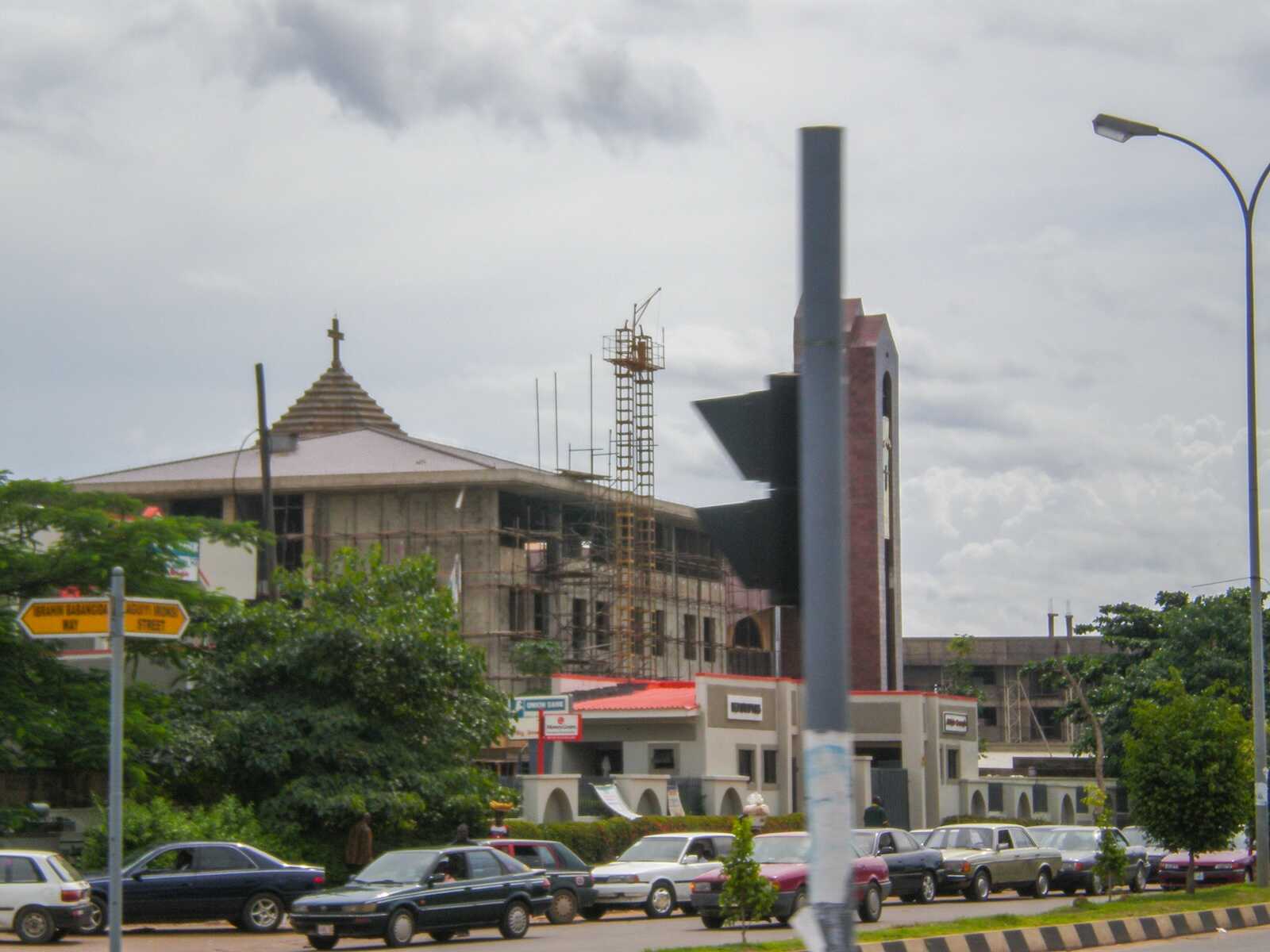
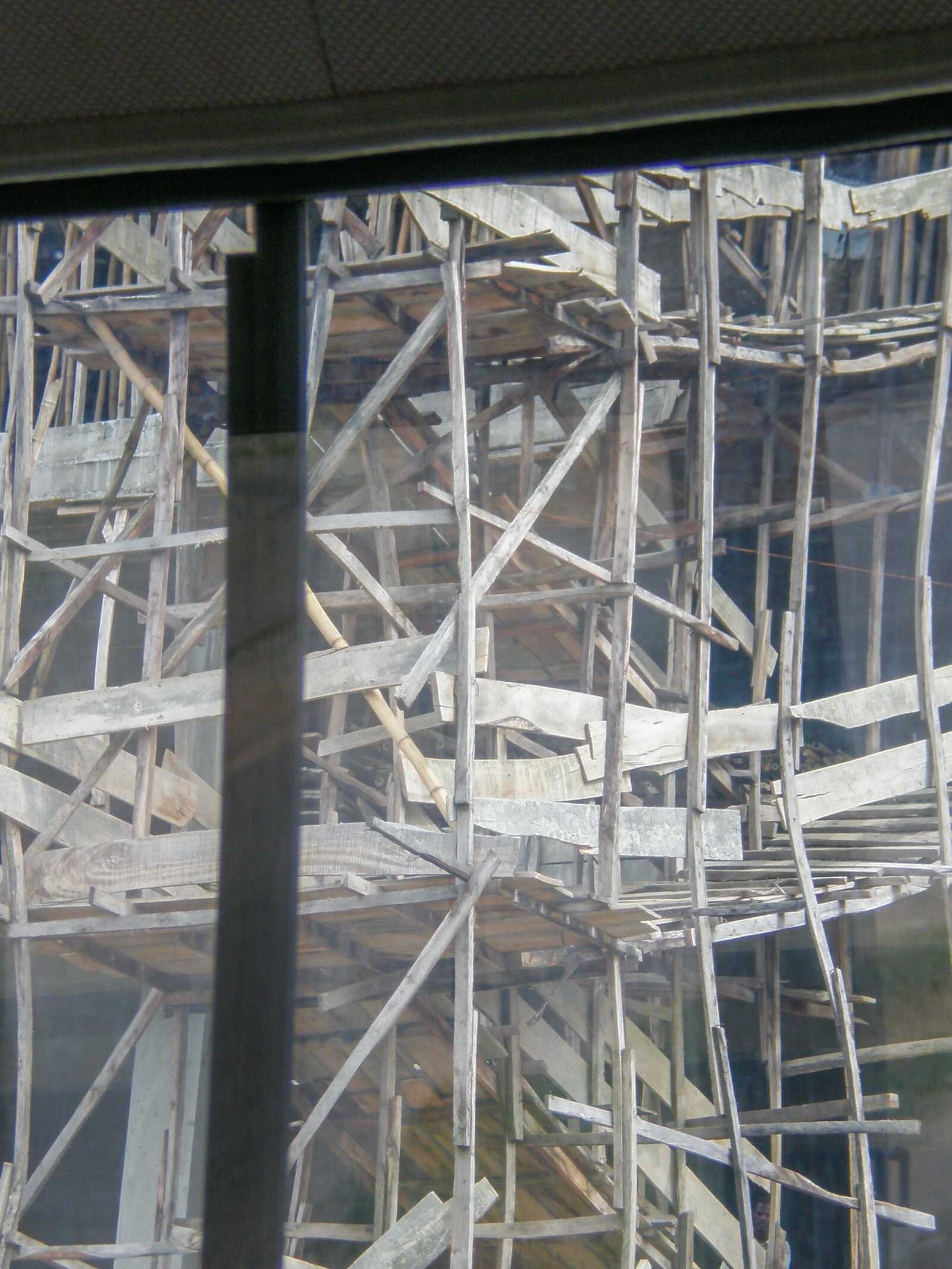
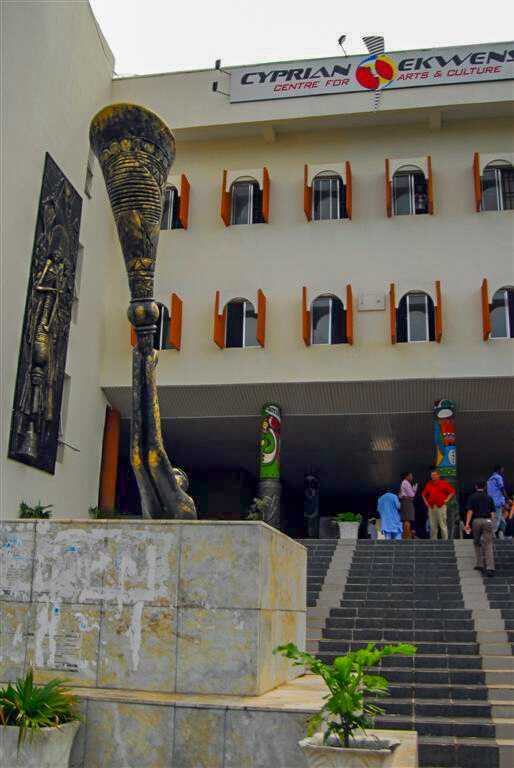
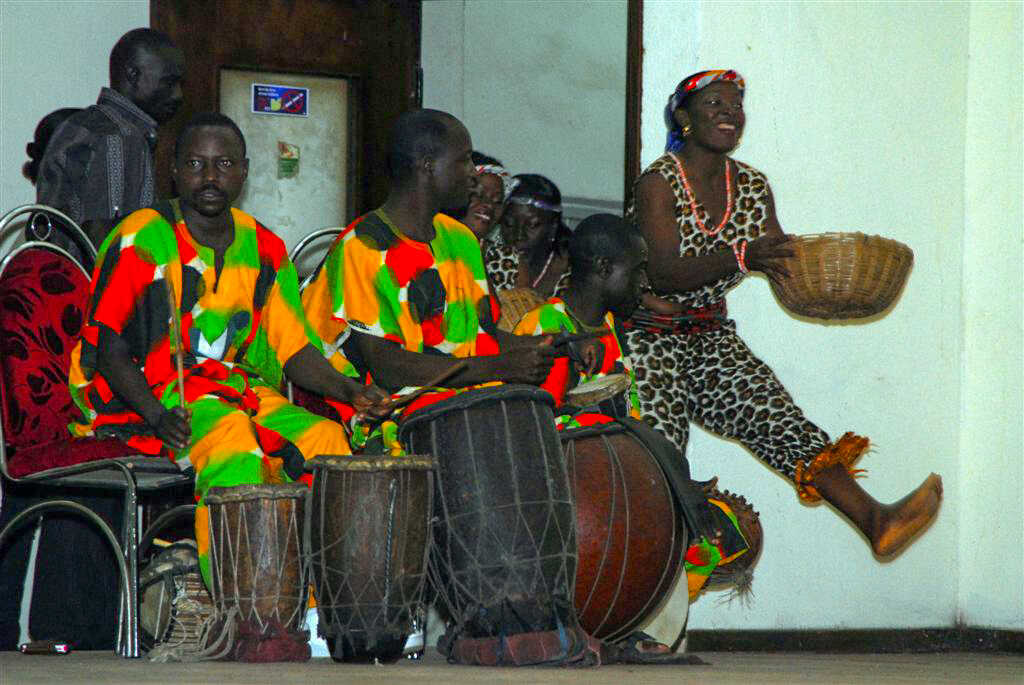
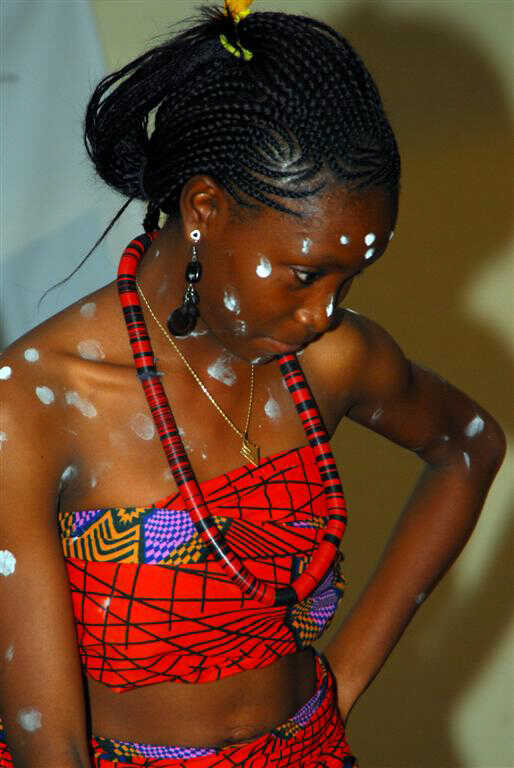
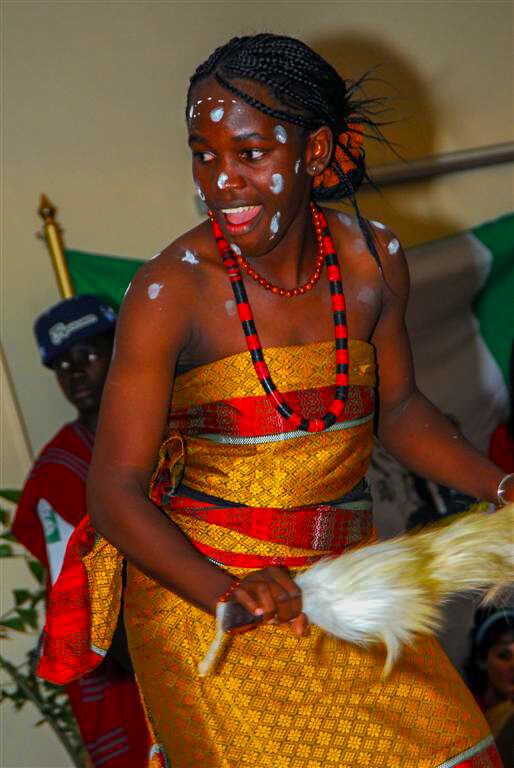
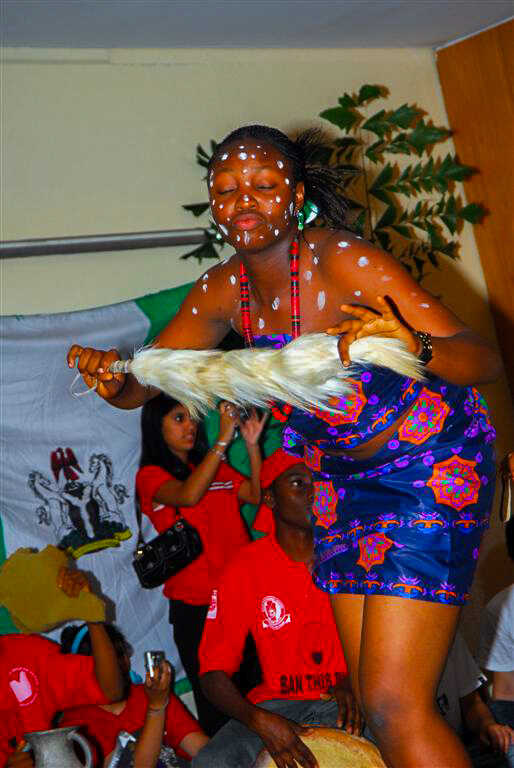
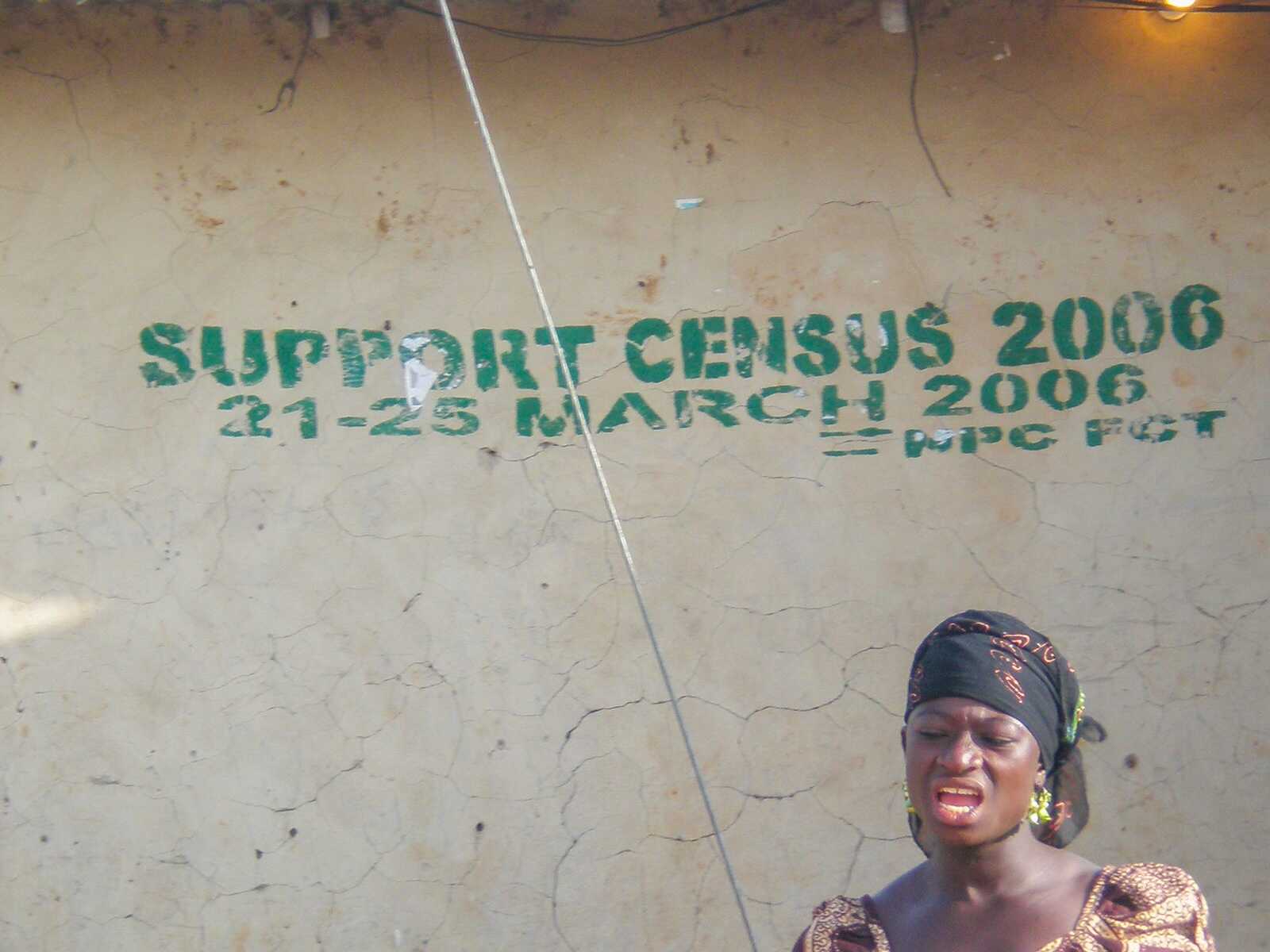
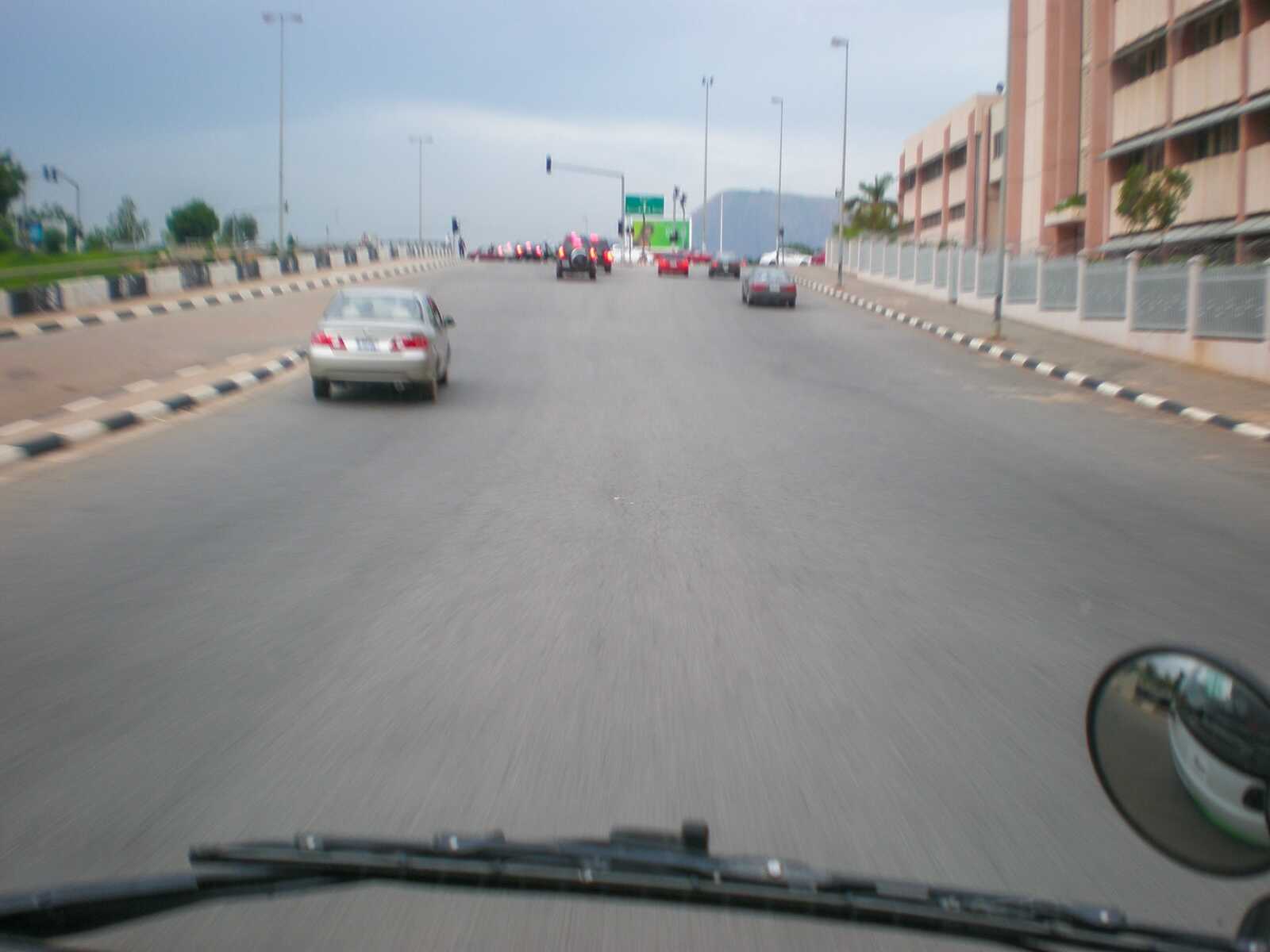
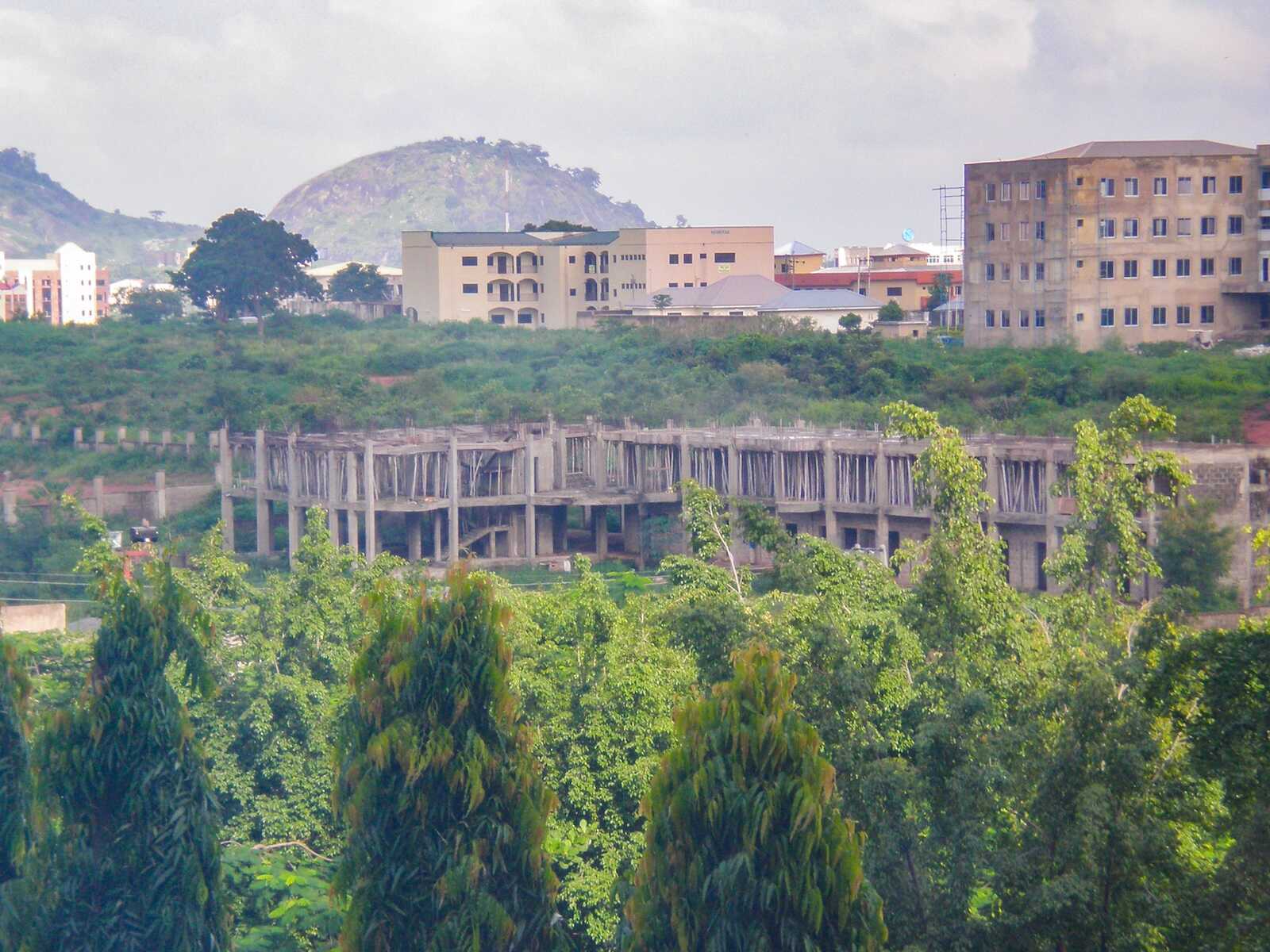
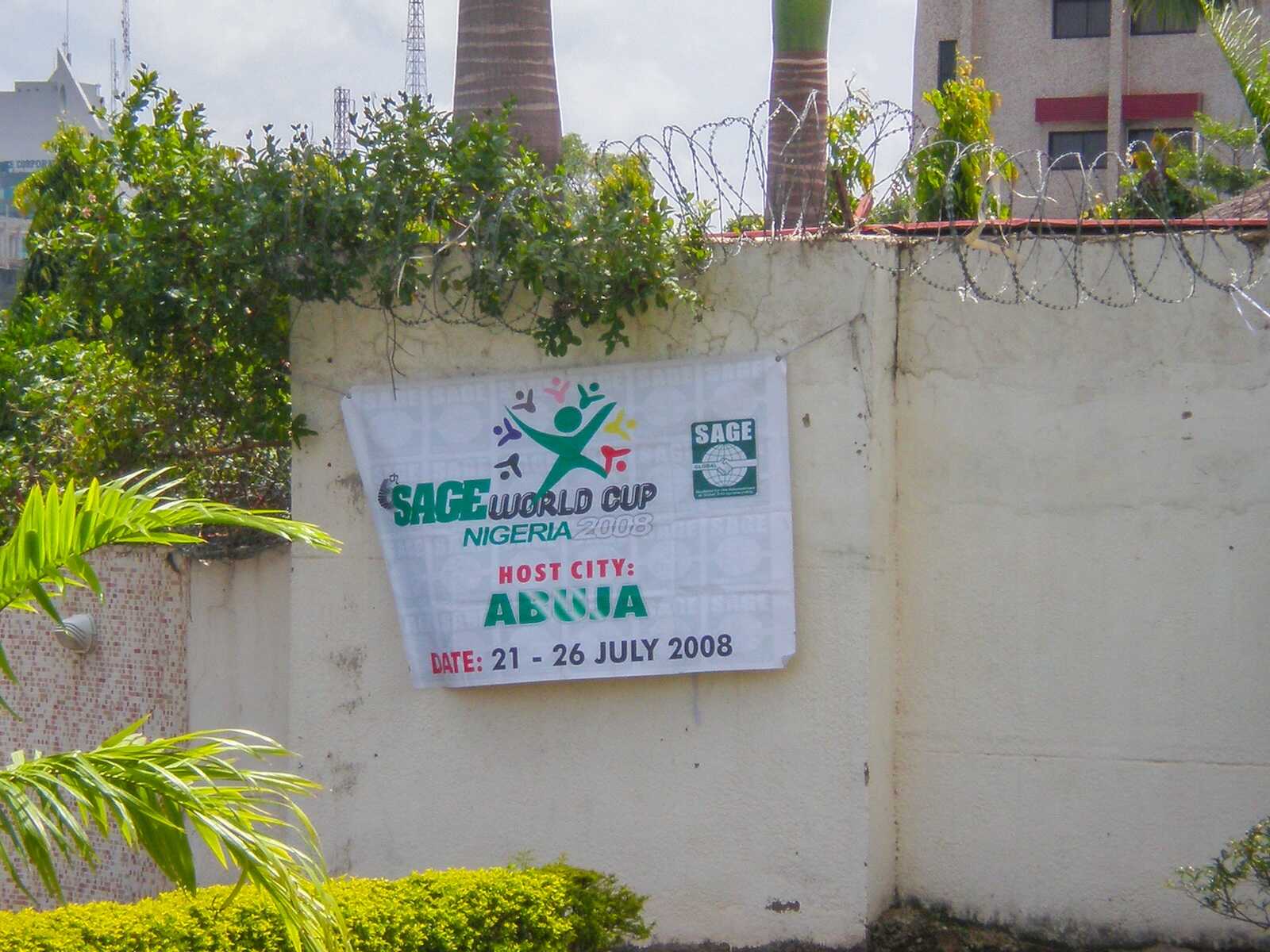
Truth be told, most of our time in Abuja was spent working at the conference and attending cultural performances put on by our local hosts. In 2008, Abuja was under a lot of construction and urban development. It may be the capital of the country, but at the time was a much smaller and less developed city compared to Lagos. We did visit the local mall and crafts market, both listed below.
I did some additional research to find the most popular tourist attractions in Abuja for those who are leisurely traveling to the area.
Aso Rock
This massive natural rock formation is one of Abuja’s most iconic landmarks. You can hike around the base of Aso Rock, which provides fantastic views of the city and surrounding areas. The Presidential Complex and Nigerian National Assembly are located nearby.
Zuma Rock
Located just outside Abuja, Zuma Rock is a striking monolith and a symbol of Nigeria. It’s often referred to as the “Gateway to Abuja” and is perfect for visitors interested in geology.
Millennium Park
Millennium Park is the largest public park in Abuja, offering vast green spaces, walkways, and a peaceful environment. It’s a great spot for picnics, leisurely walks, or simply relaxing outdoors, especially in the early morning or late afternoon.
Nigerian Abuja National Mosque
A visit to this impressive mosque, located in the heart of the city, is a must. The grand architecture and golden dome are striking. Although non-Muslims may not be allowed inside during prayer times, it’s still worth a visit to admire the exterior and understand its cultural significance.
Nigerian National Christian Centre
Near the National Mosque is the National Christian Centre, a striking piece of modern architecture. Visitors can explore the church’s grand interior, and it’s especially busy during services, showcasing the country’s religious diversity.
Jabi Lake and Mall
Jabi Lake offers a calm setting for relaxing by the water, and you can take boat rides or go kayaking. Adjacent to the lake is Jabi Lake Mall, where you can shop, dine, or catch a movie at the cinema.
Abuja Arts & Crafts Village
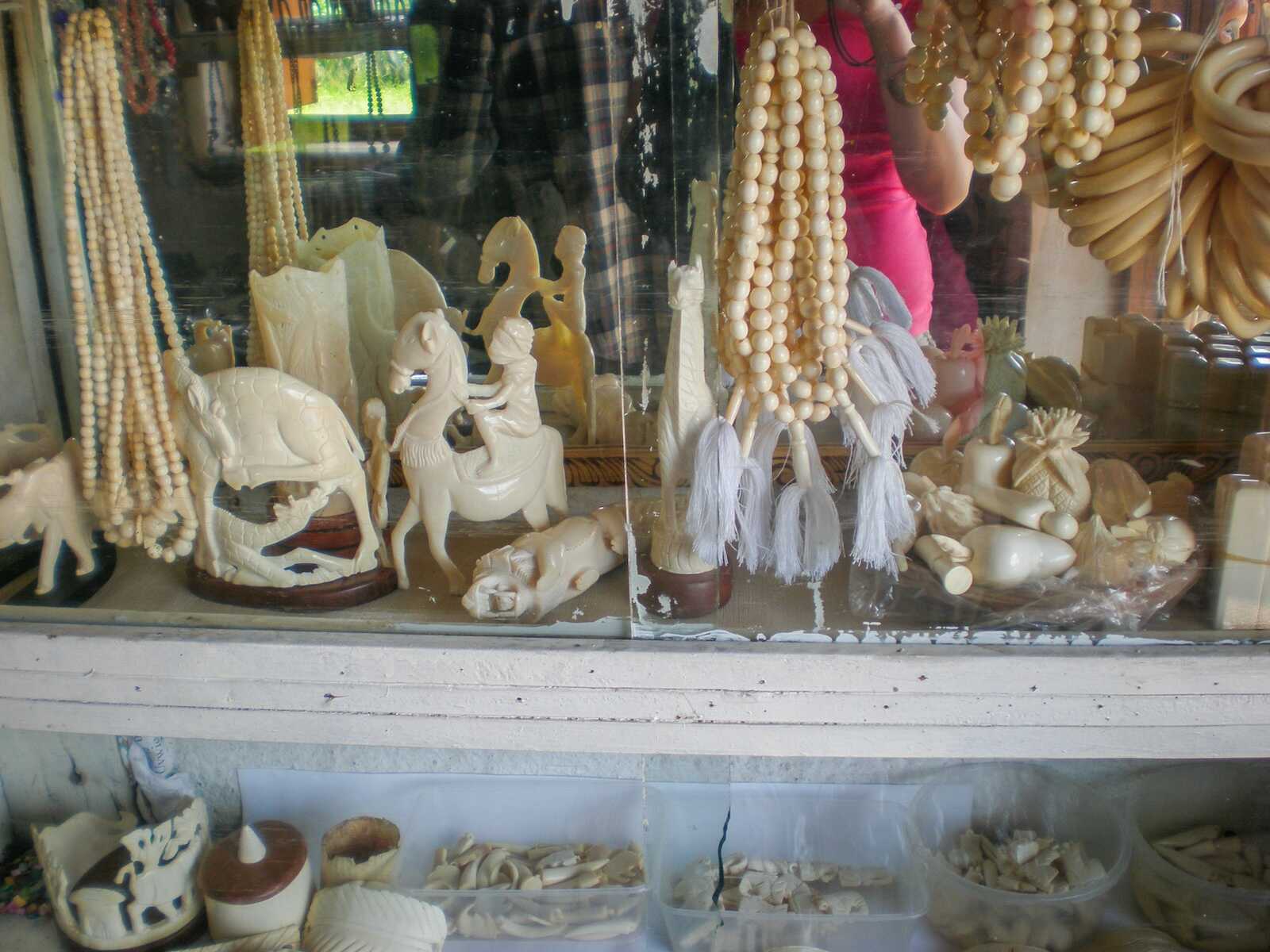
This vibrant Arts & Crafts Market showcases the rich arts and crafts of Nigeria. Visitors can browse and purchase handmade jewelry, sculptures, textiles, and other traditional Nigerian goods. It’s a perfect place to pick up souvenirs.
Moshood Abiola National Stadium (formerly known as National Stadium, Abuja)
If you’re a sports enthusiast, a visit to the Moshood Abiola National Stadium is worthwhile. The stadium often hosts football matches and other events, giving you a chance to experience the local sports culture.
Gurara Falls
About an hour’s drive from Abuja, Gurara Falls is a stunning waterfall and a perfect escape into nature. It’s a popular spot for picnicking, swimming, and photography, especially during the rainy season when the water flow is strongest.
Usuma Dam
For those looking to relax by the water, Usuma Dam is a great spot for fishing, picnicking, or simply taking in the serene views. It’s less crowded than Jabi Lake, providing a peaceful escape.
Nike Art Gallery
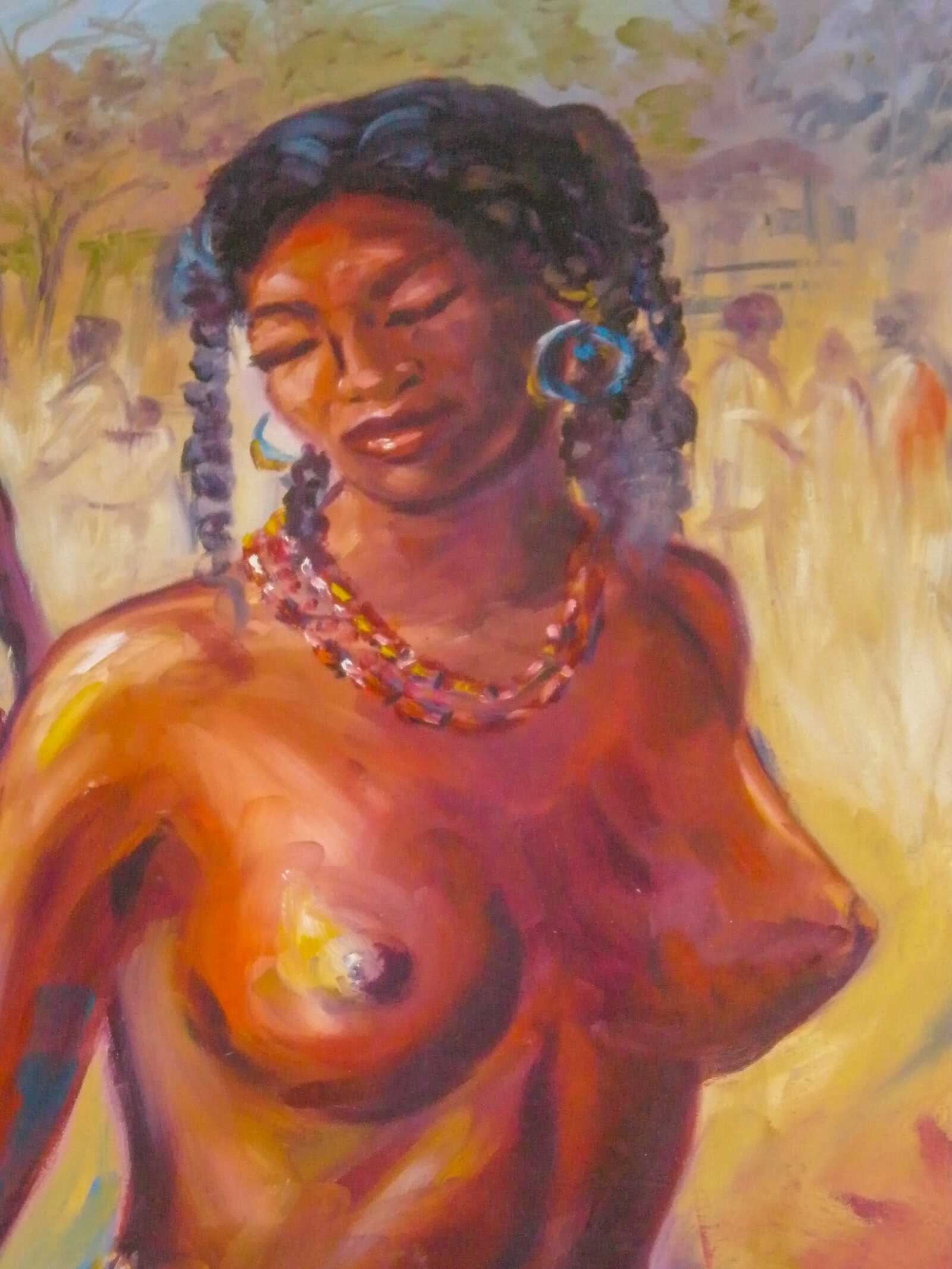
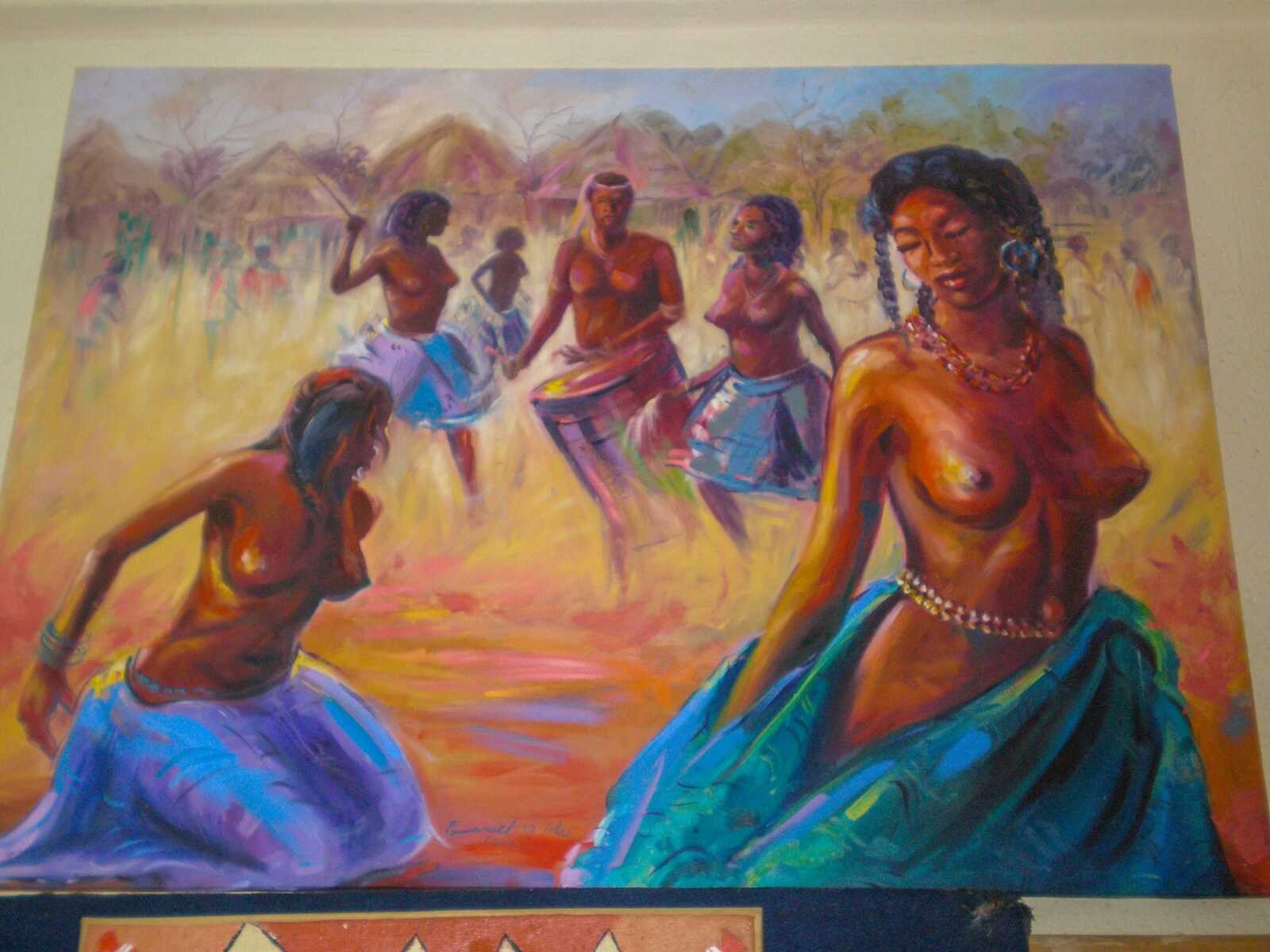
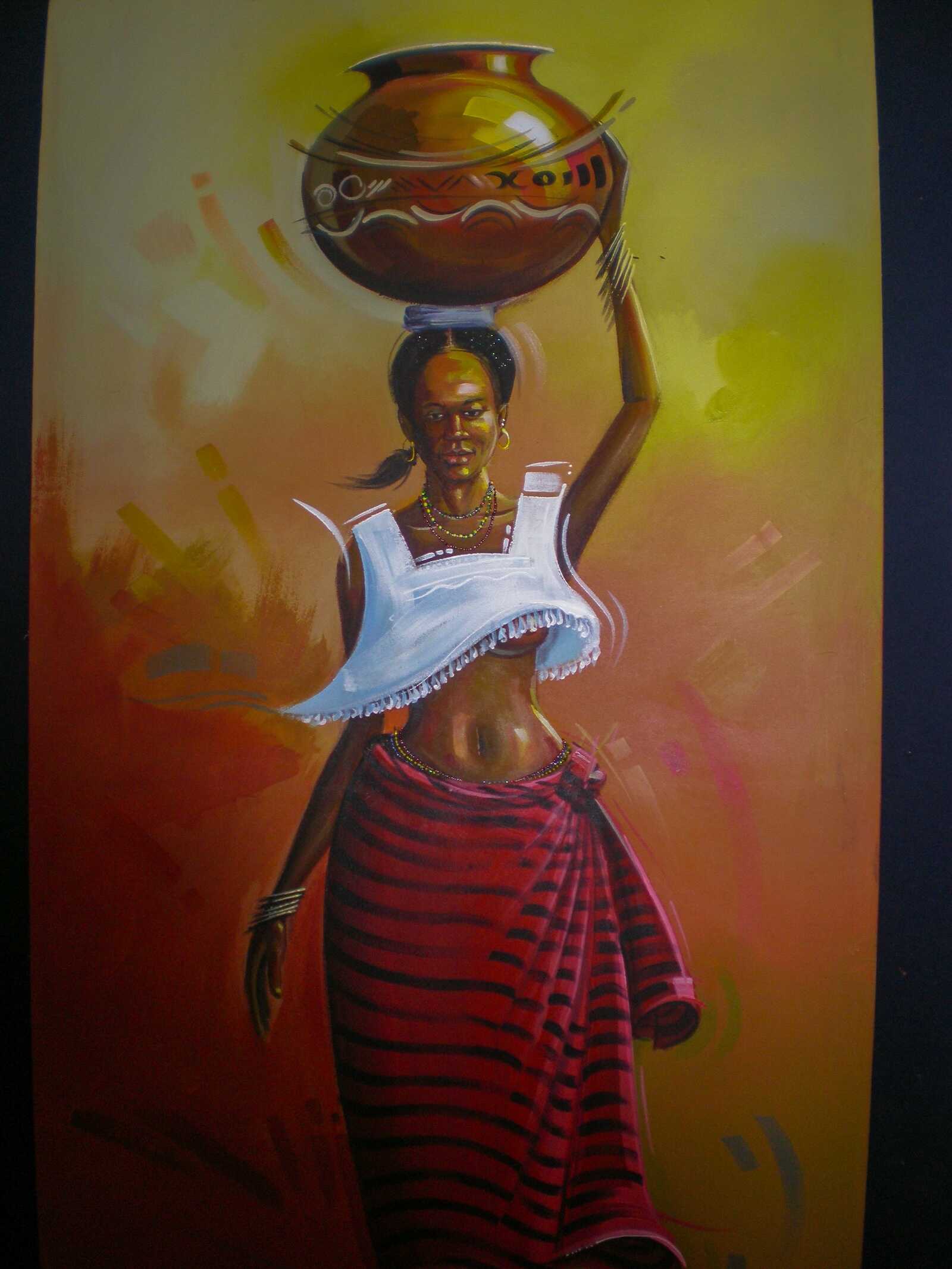
The Nike Art Gallery gallery showcases Nigerian contemporary and traditional art. It’s a cultural hub where visitors can explore a wide range of paintings, sculptures, and textiles created by local artists.

The People of Abuja, Nigeria
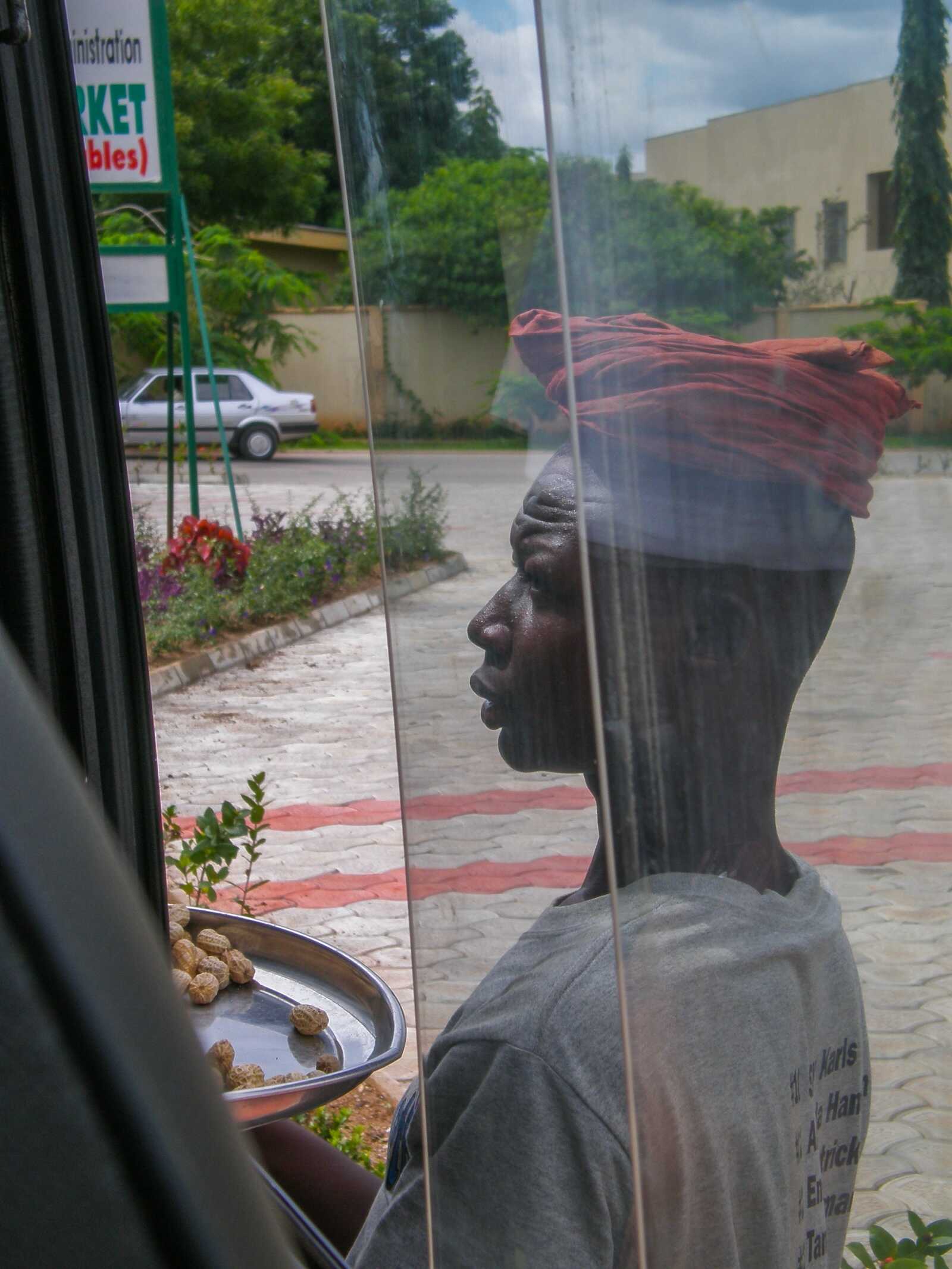
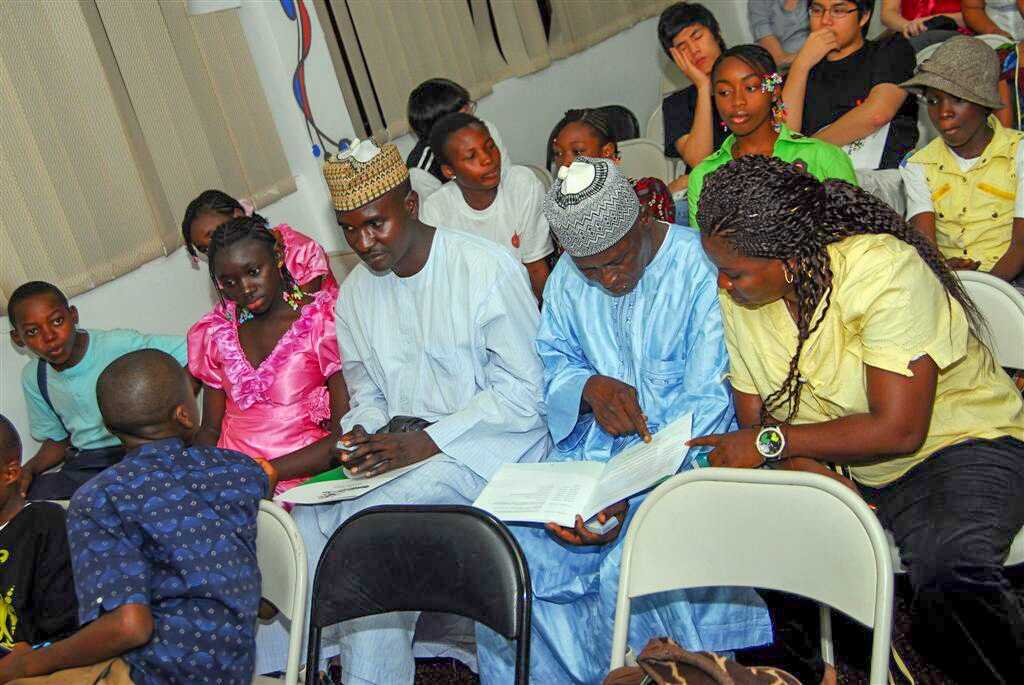
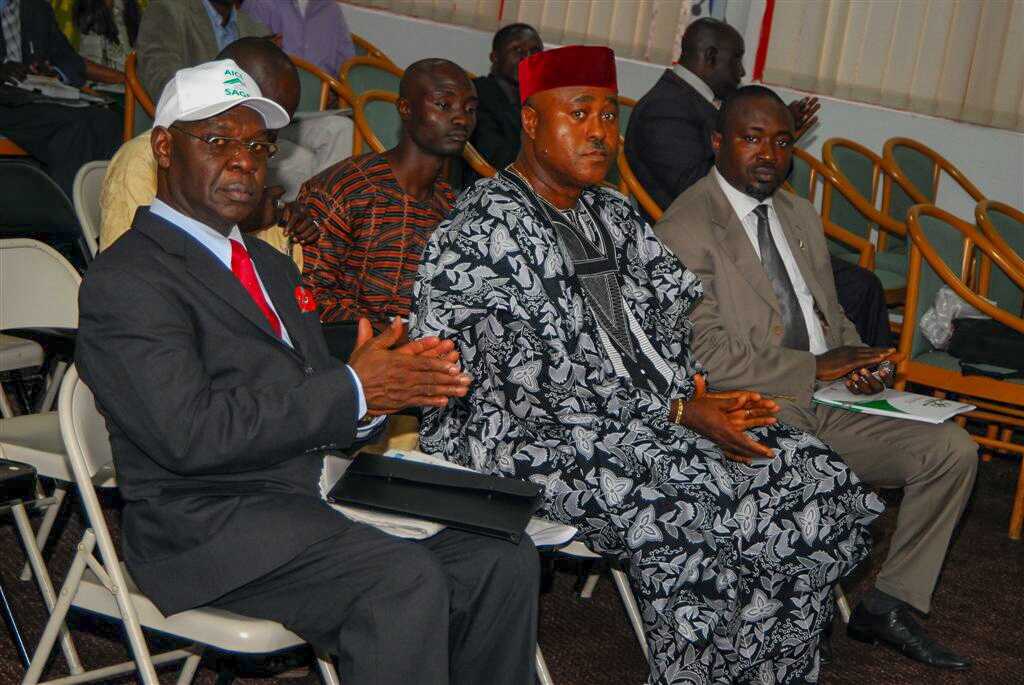
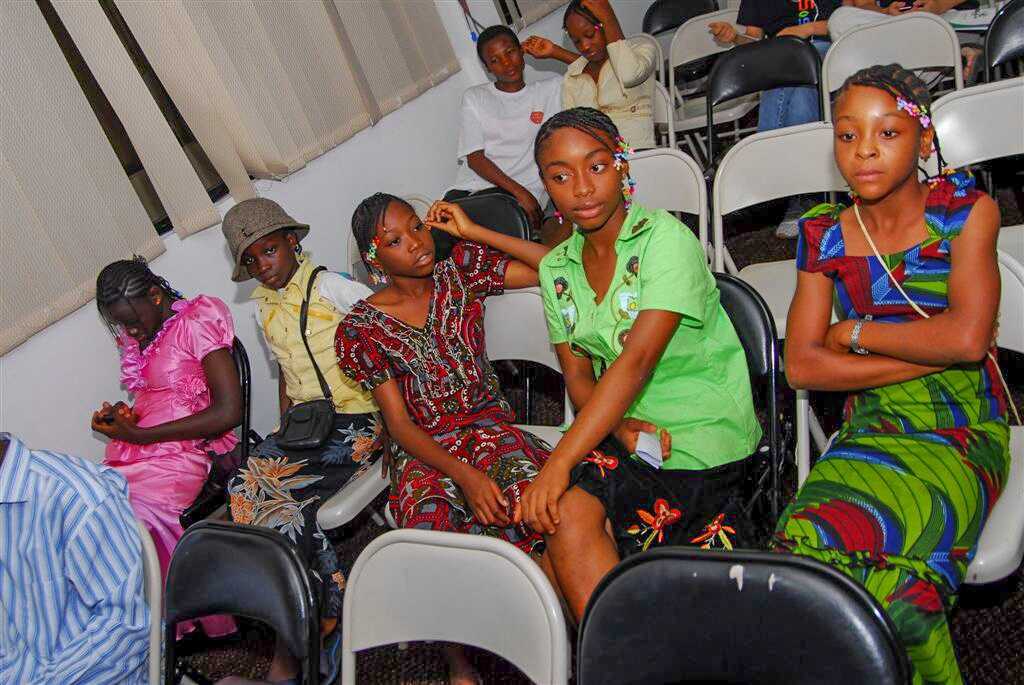
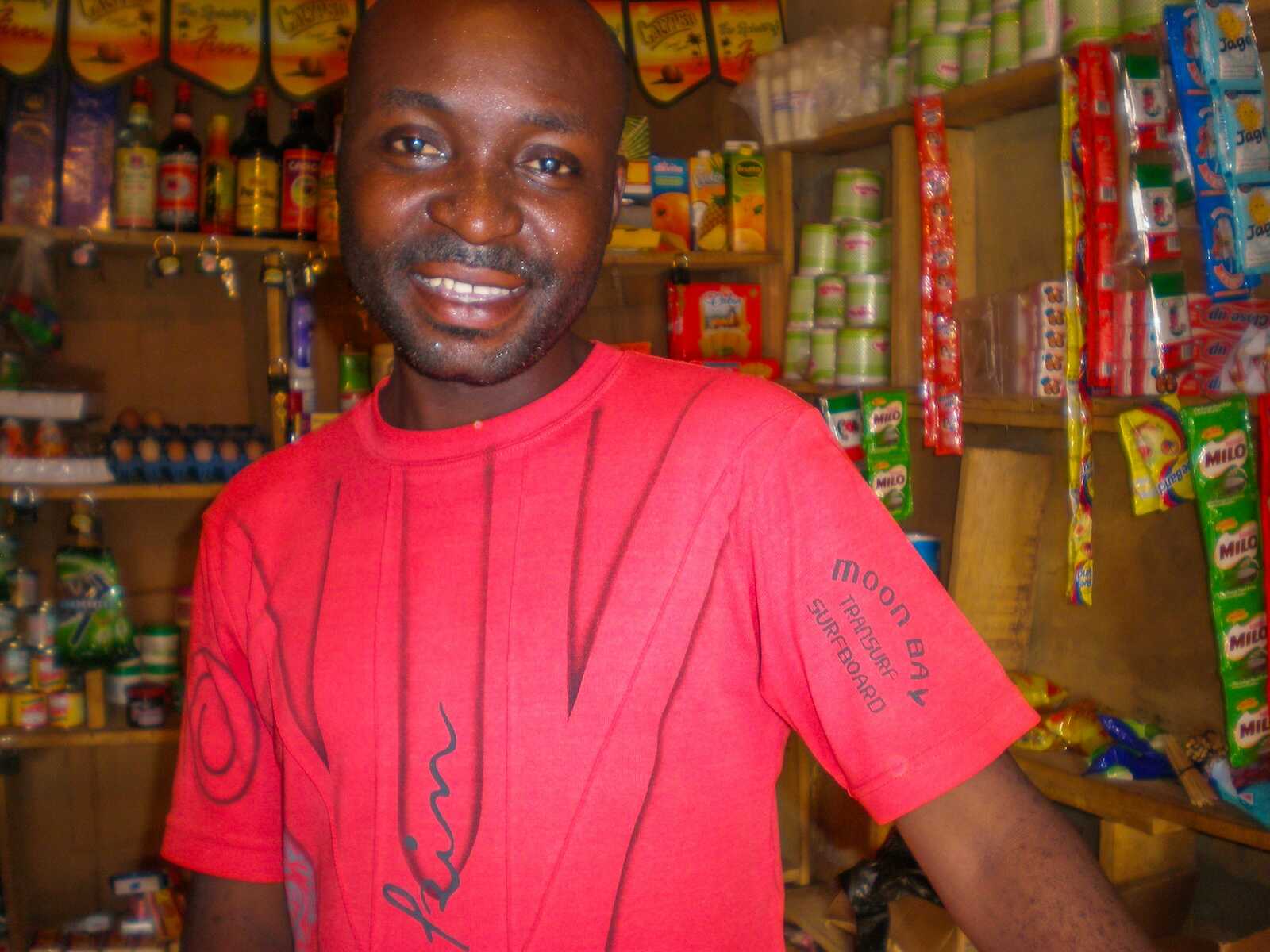
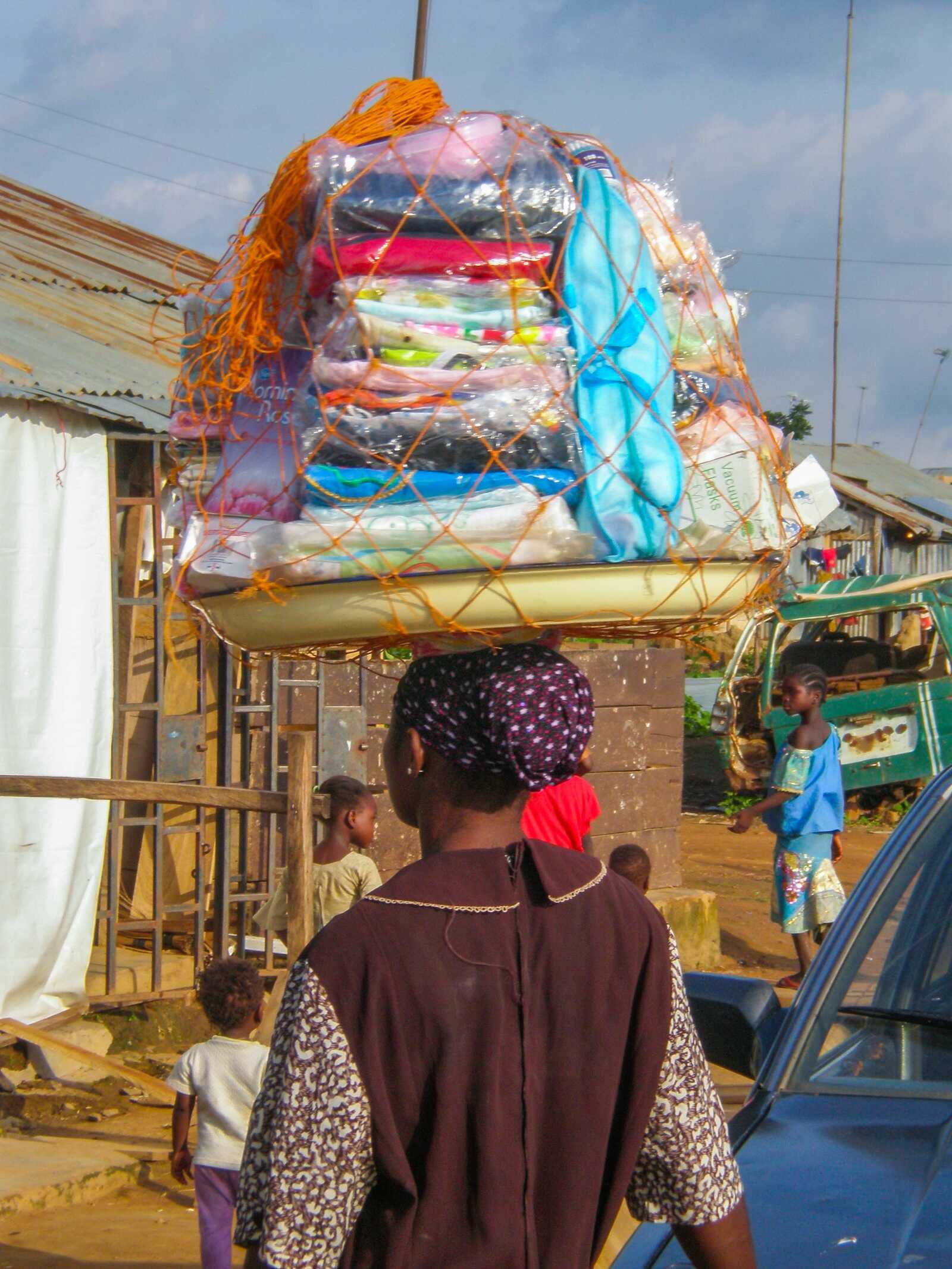
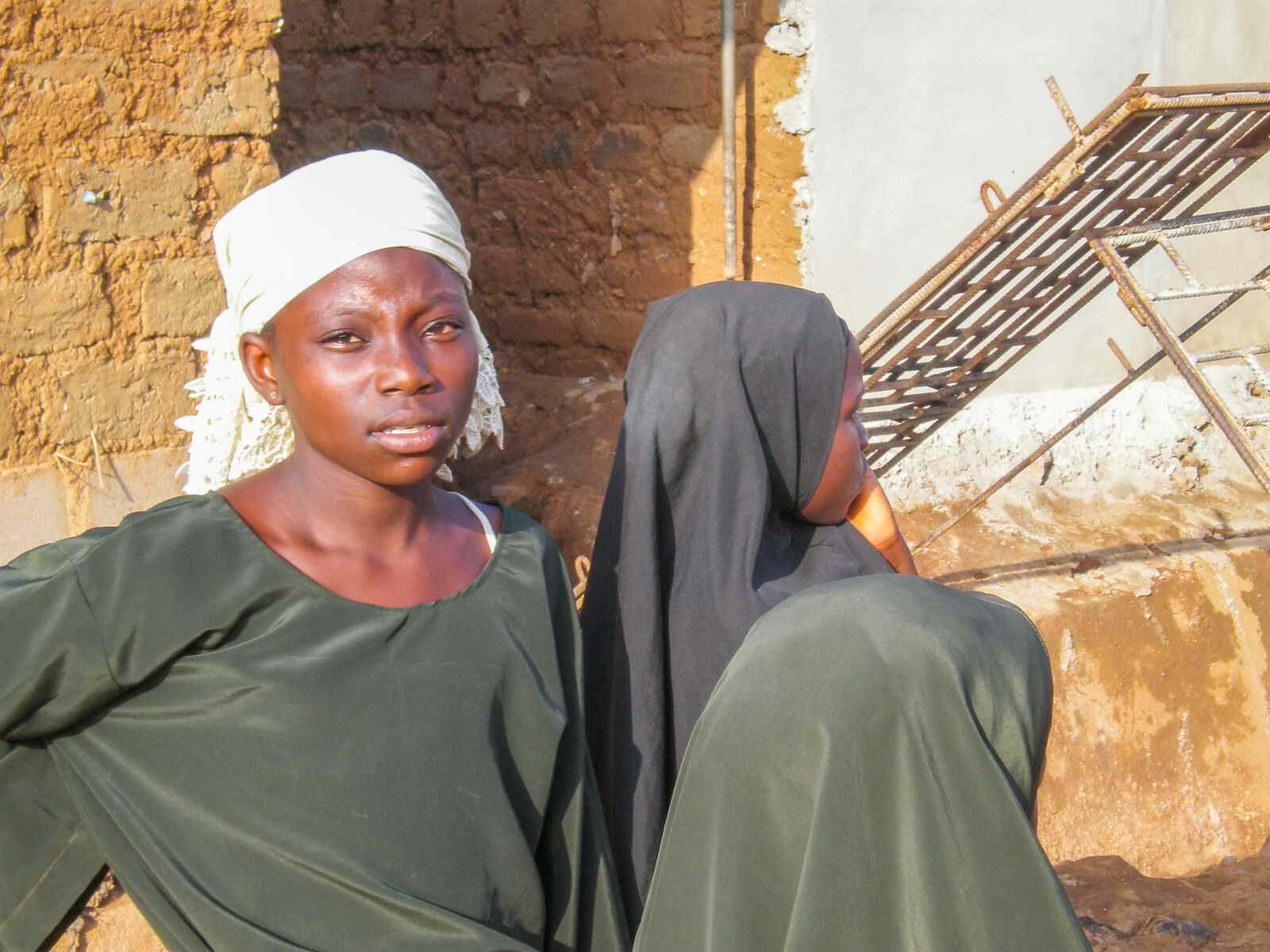
The single best part of visiting Abuja was the people. Everyone was so welcoming and friendly, and generally happy to get a visit from Americans. This is definitely not always the case when I’ve travelled to other countries, many places have anti-American sentiments. We made great connections with many of the locals, and they helped to guide us during our travels.

Our Visit to the Ushafa Village
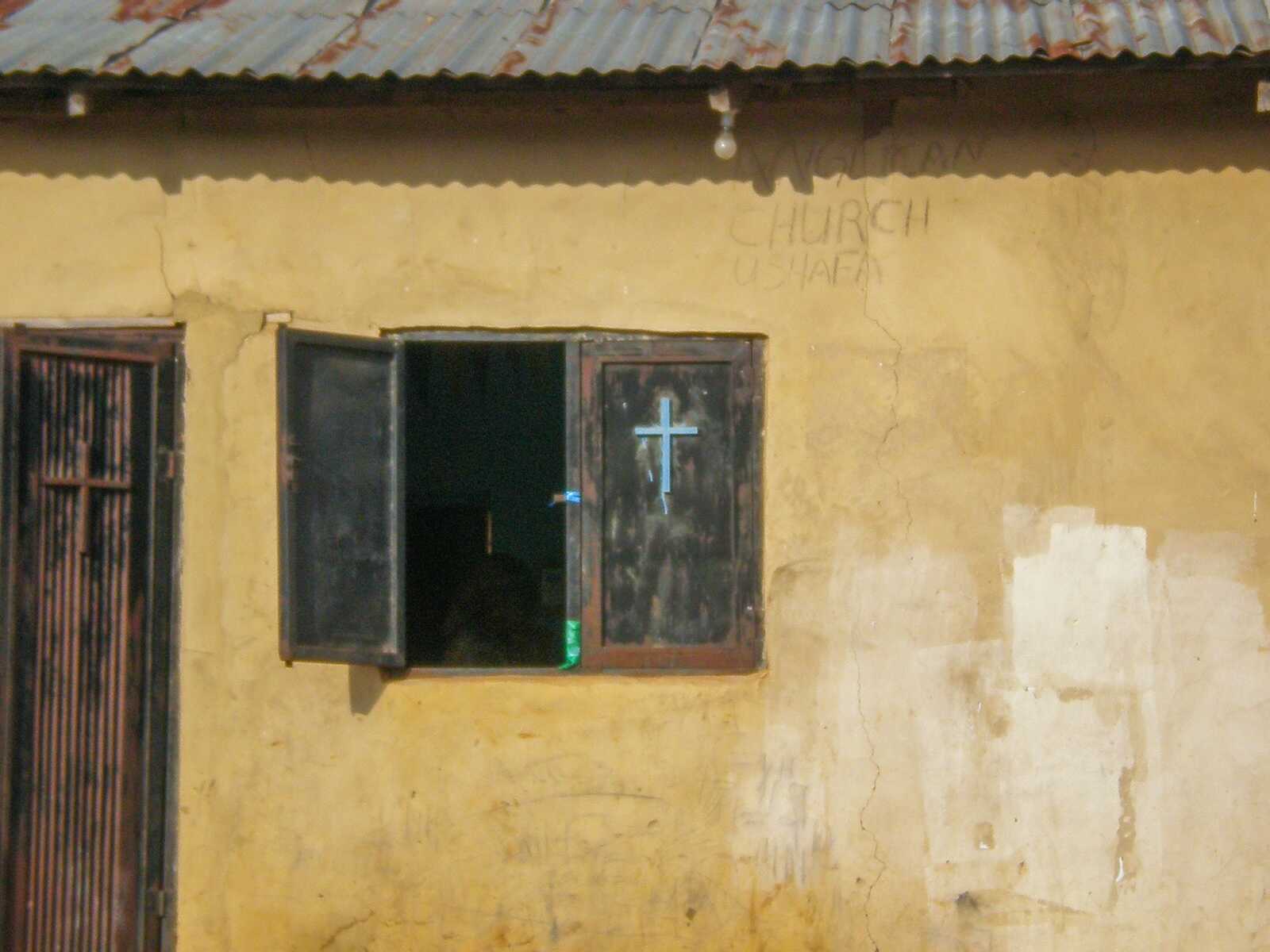
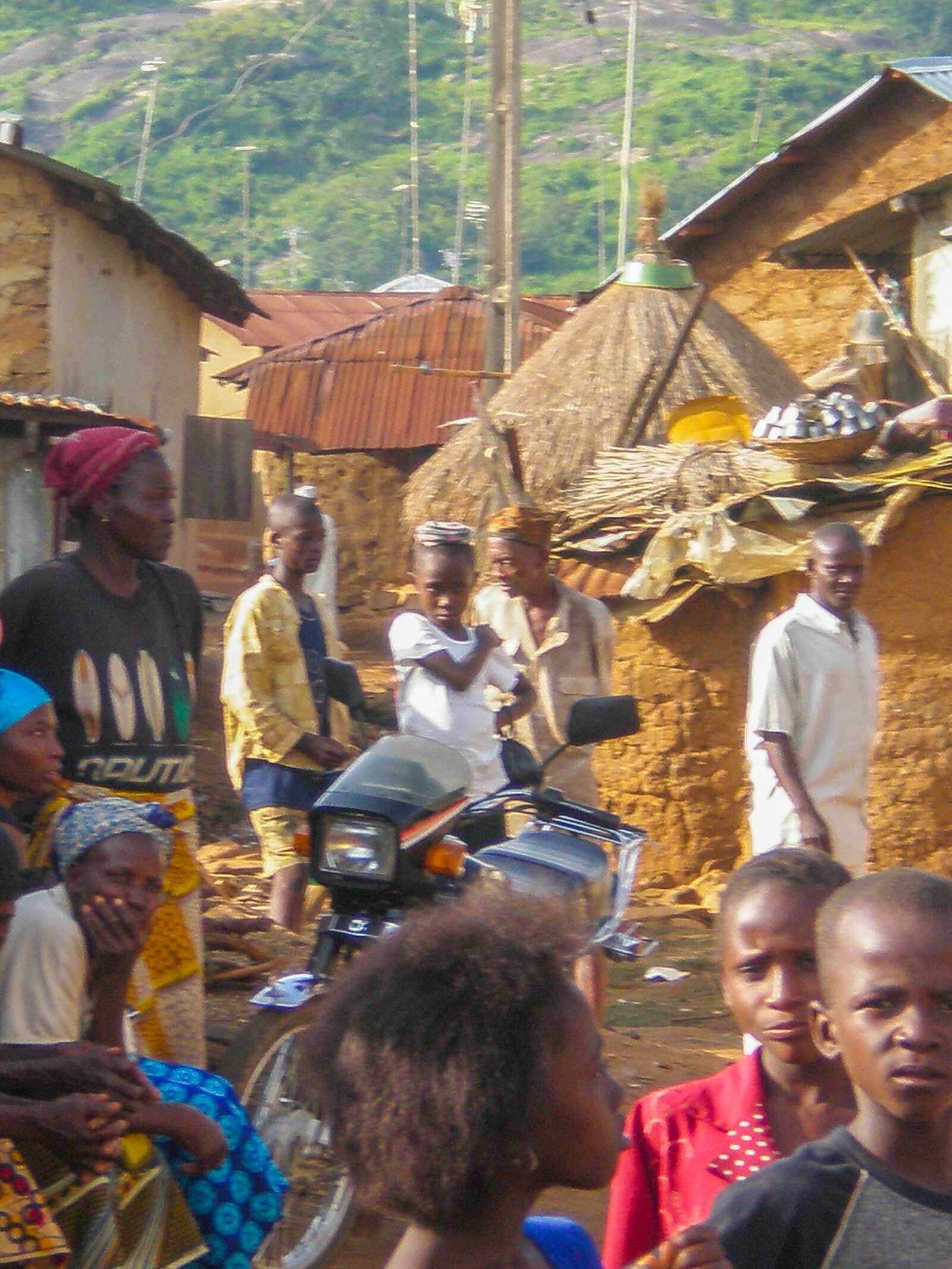
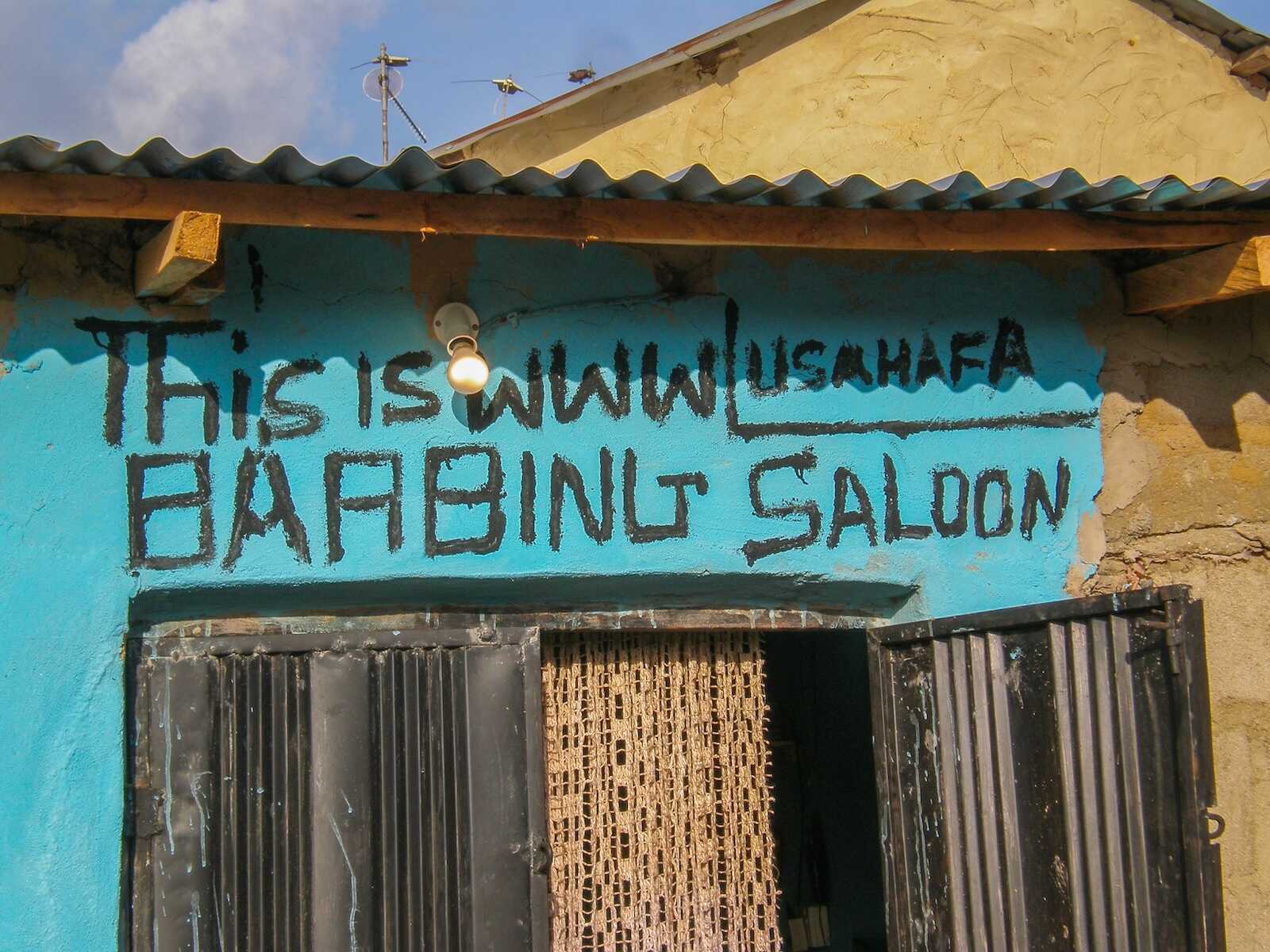
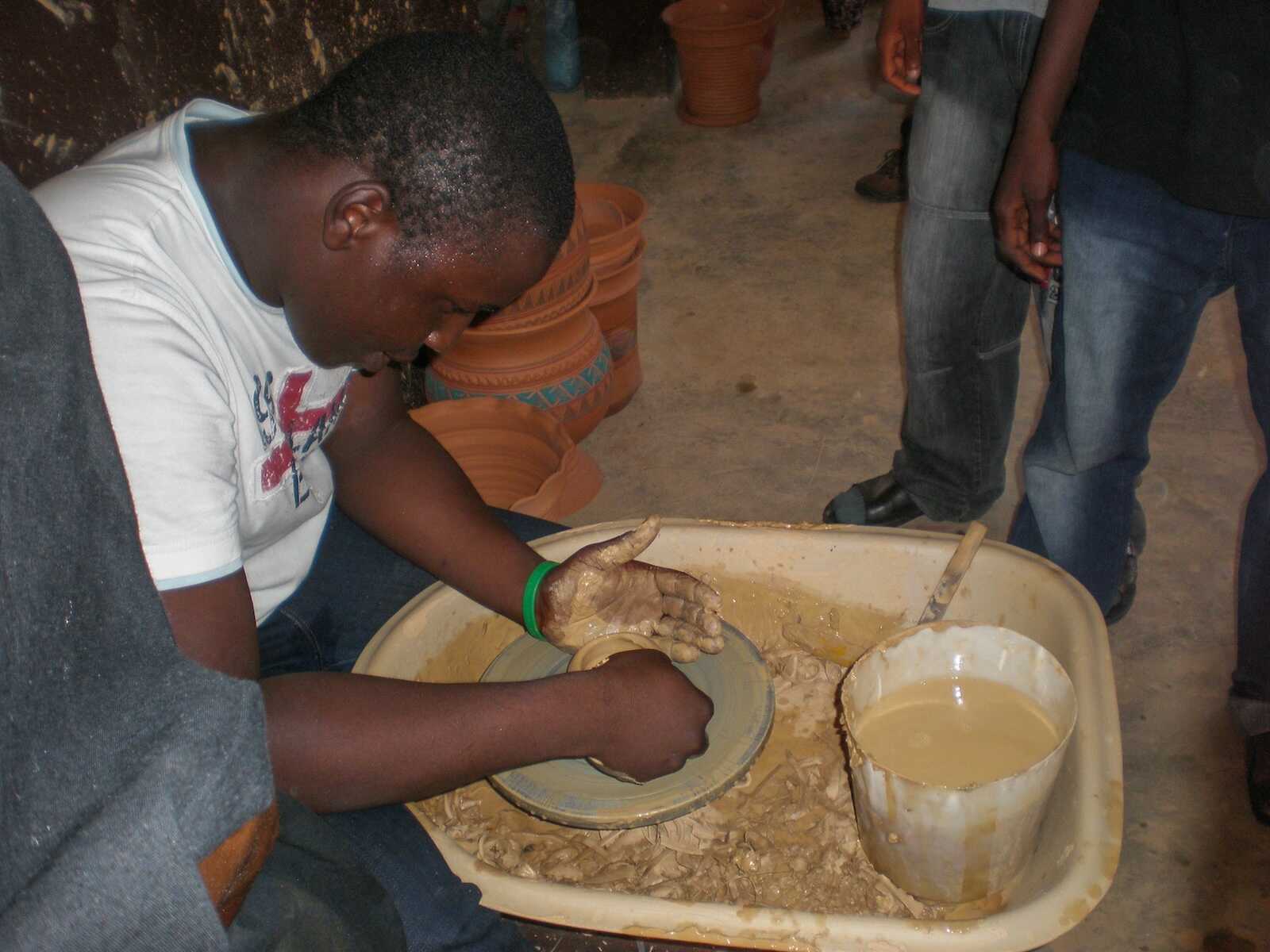
If you keep scrolling, you’ll see photos from our visit to the Ushafa Village. Ushafa Village, located just outside Abuja, Nigeria, is a quaint and culturally rich community known for its traditional pottery-making, which has been practiced for generations.
The village is famous for its Ushafa Pottery Centre, where artisans skillfully create beautiful handcrafted pottery pieces, including bowls, vases, and decorative items, using ancient techniques. Visitors can explore the pottery-making process firsthand, participate in workshops, and purchase unique souvenirs.
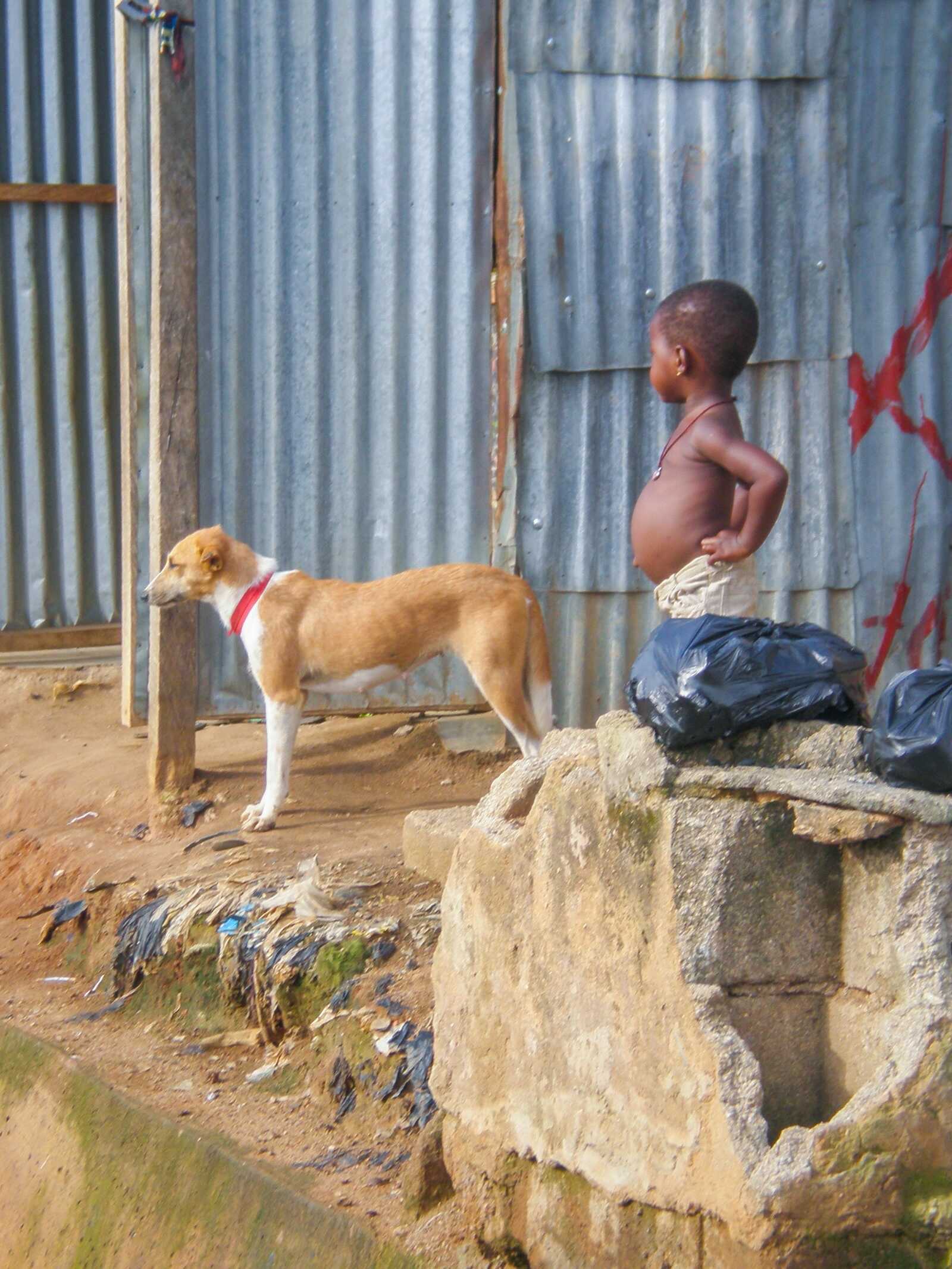
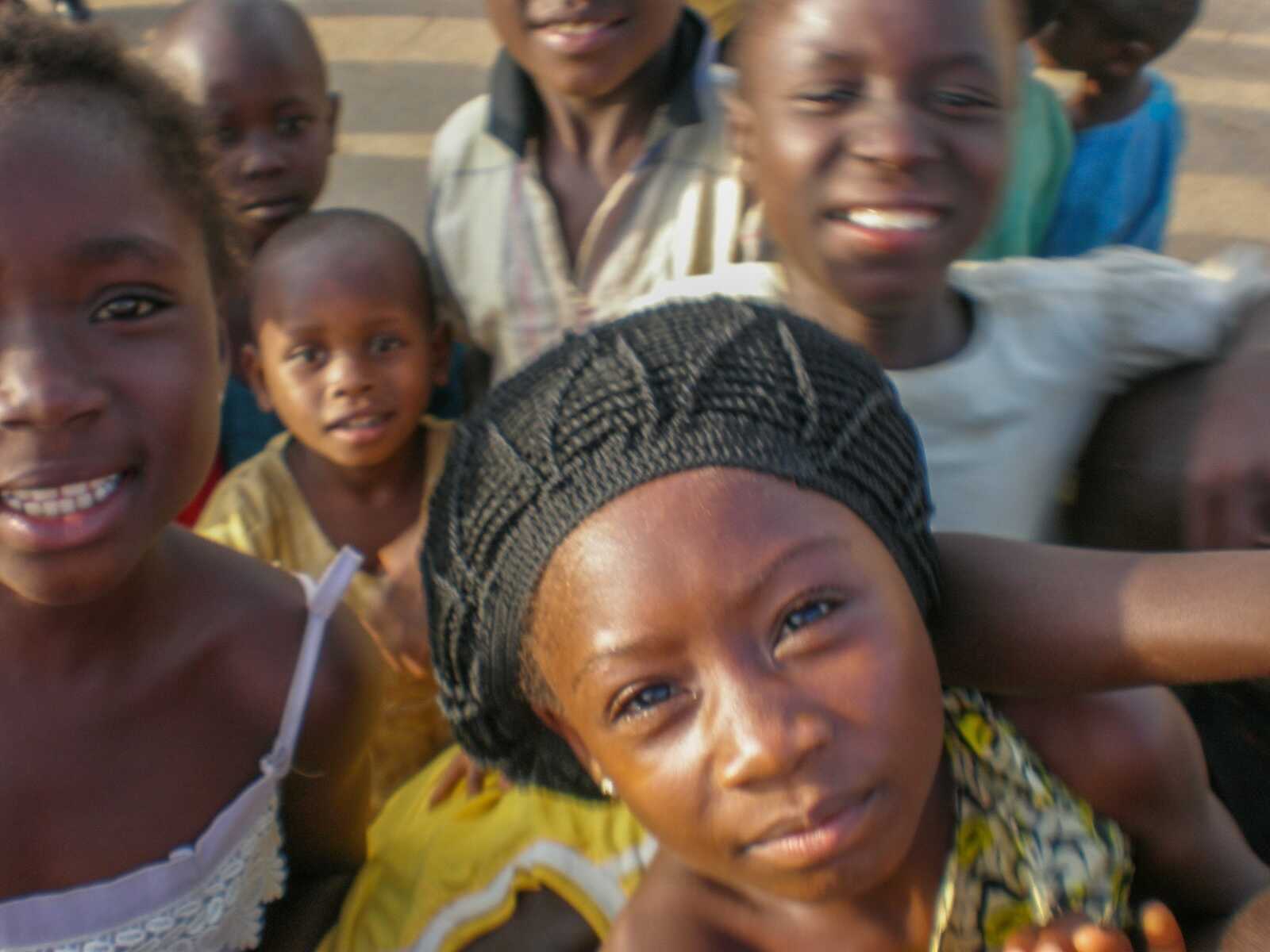
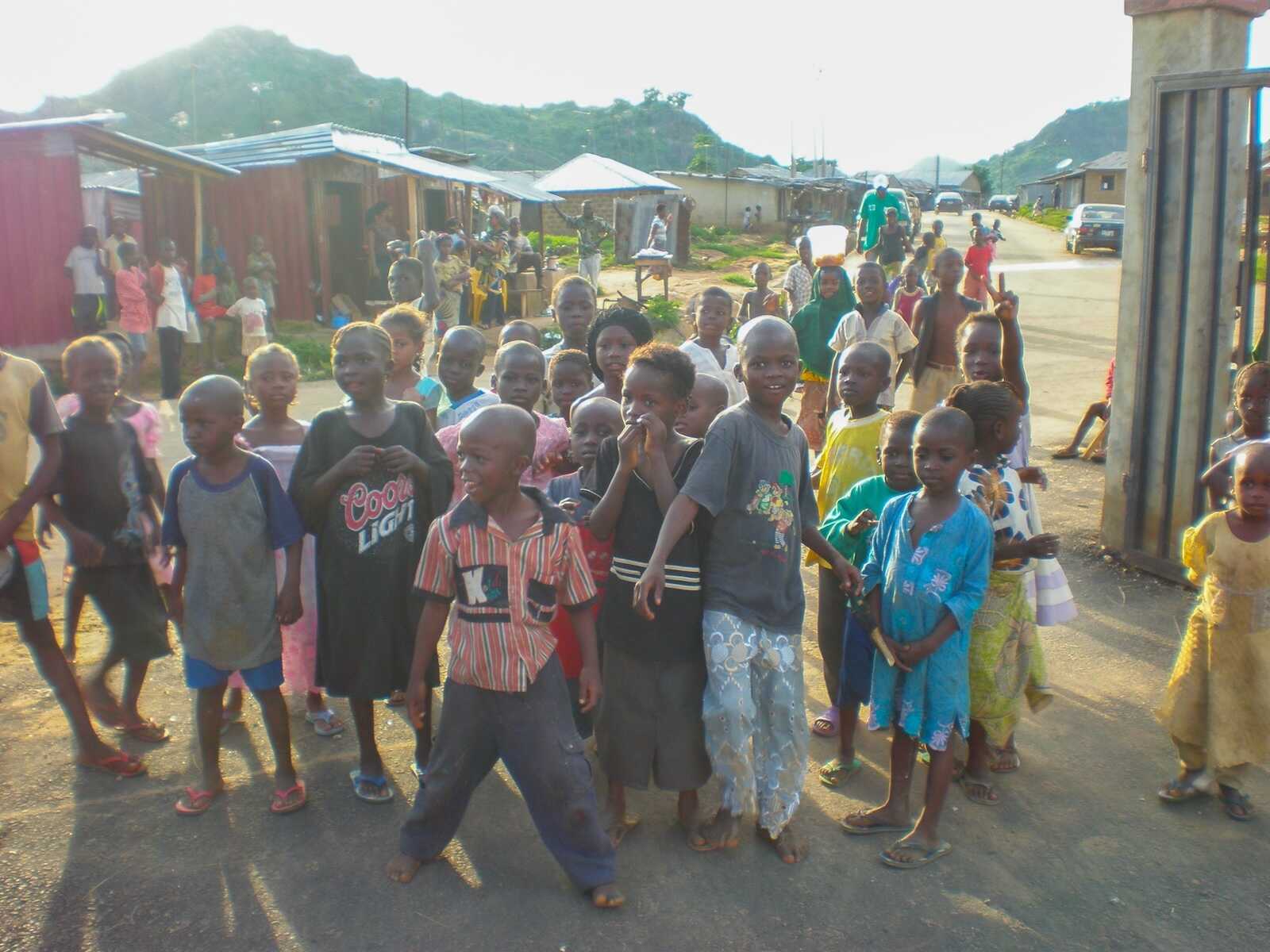
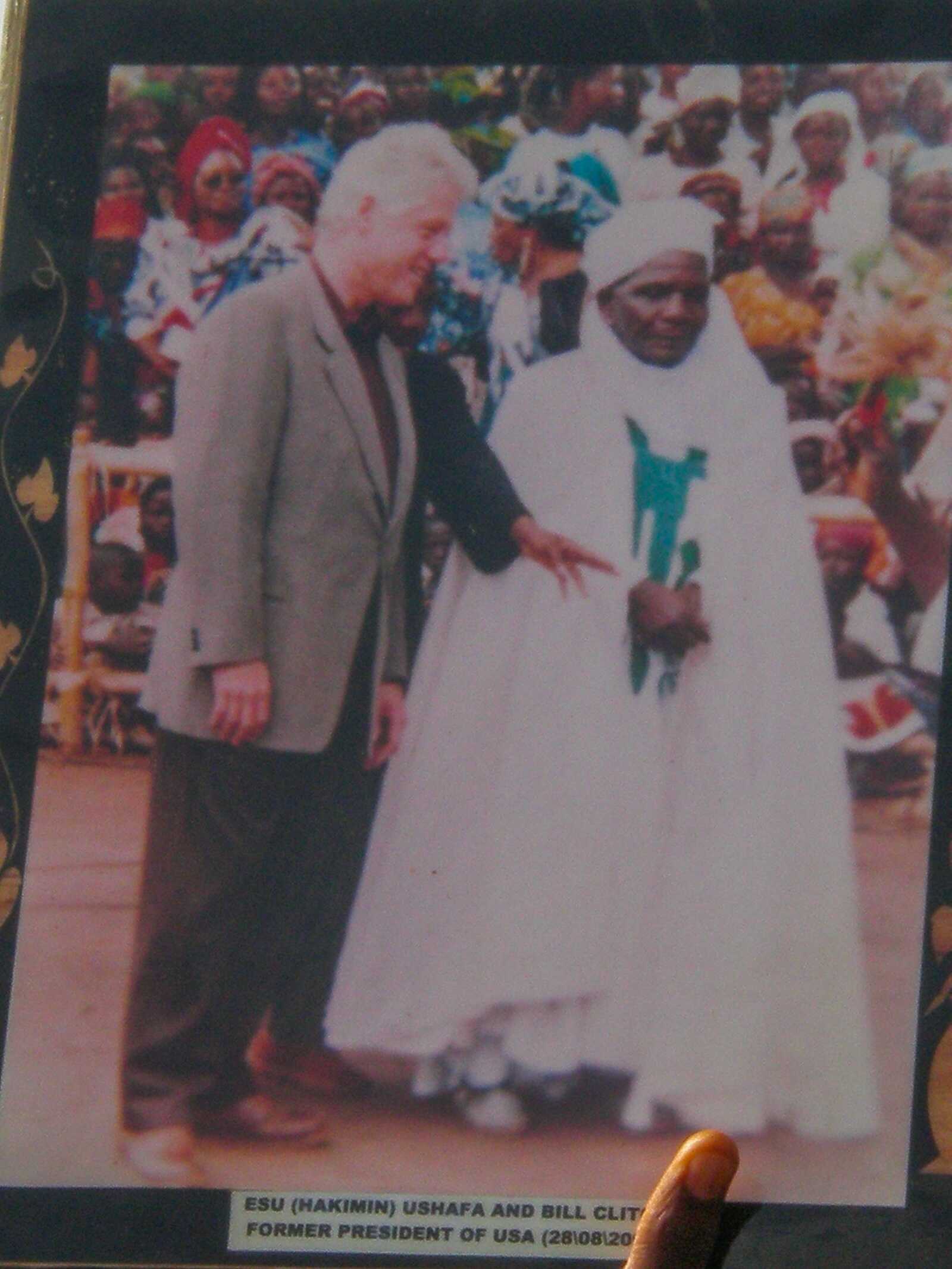
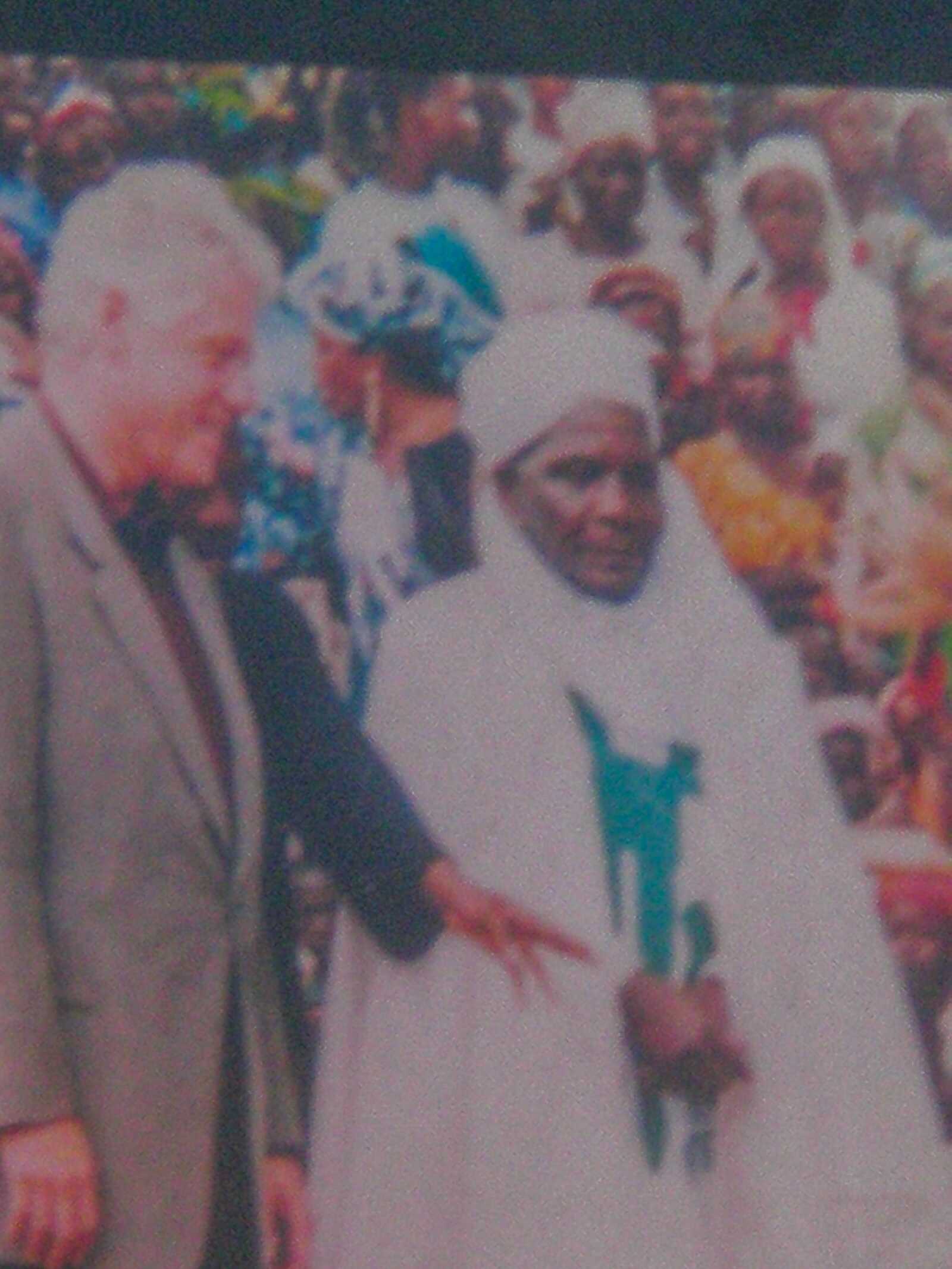
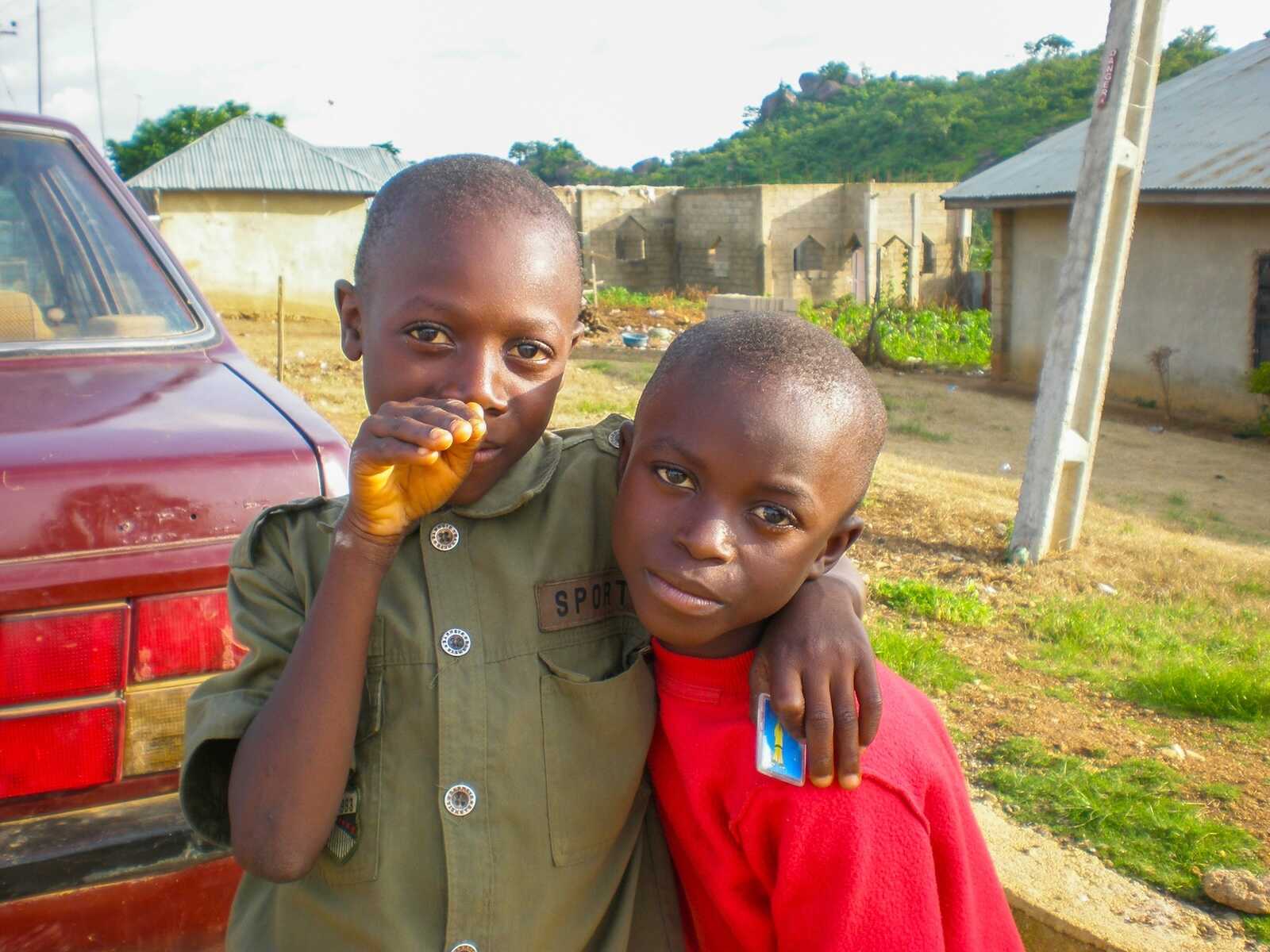
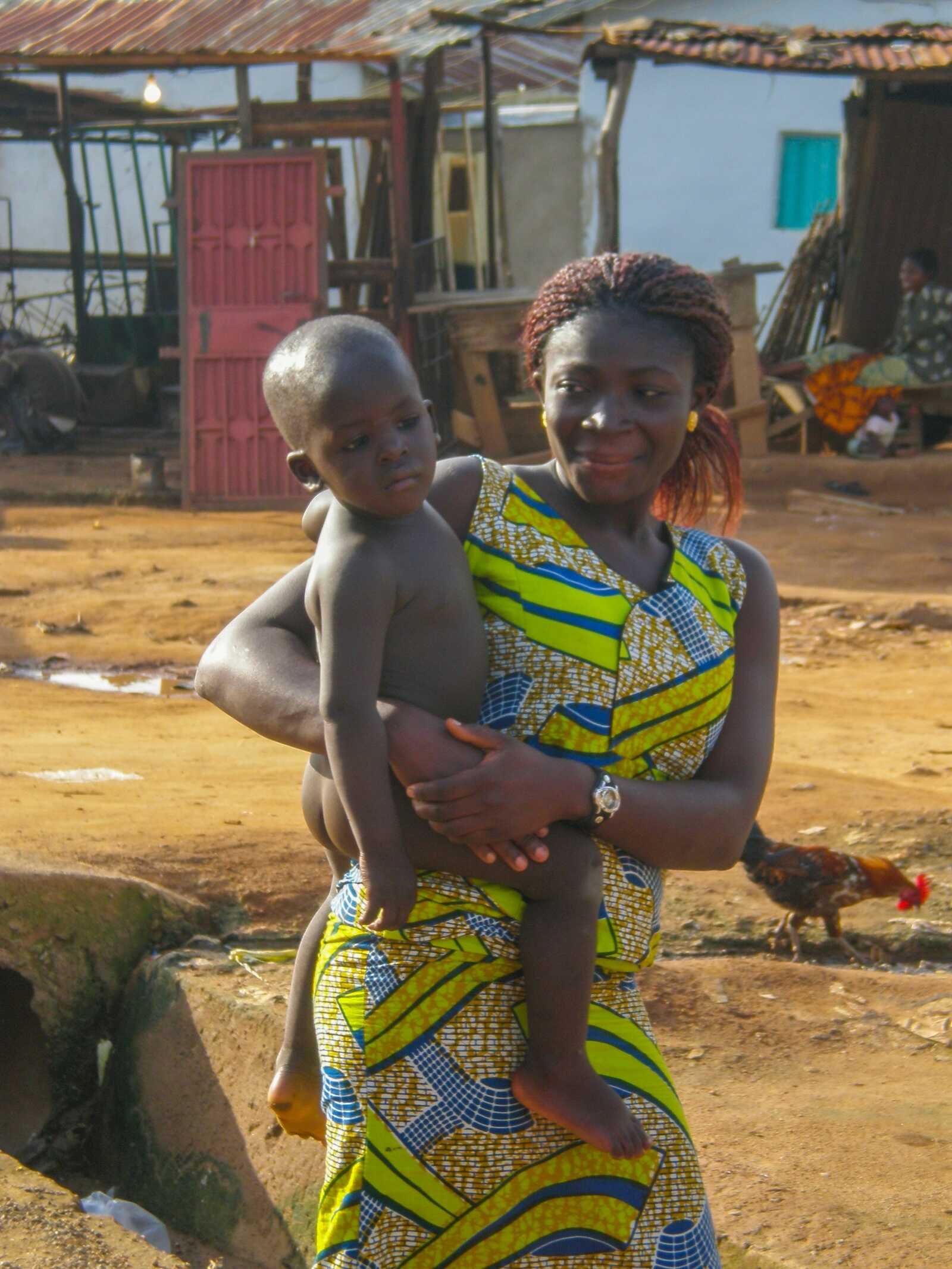
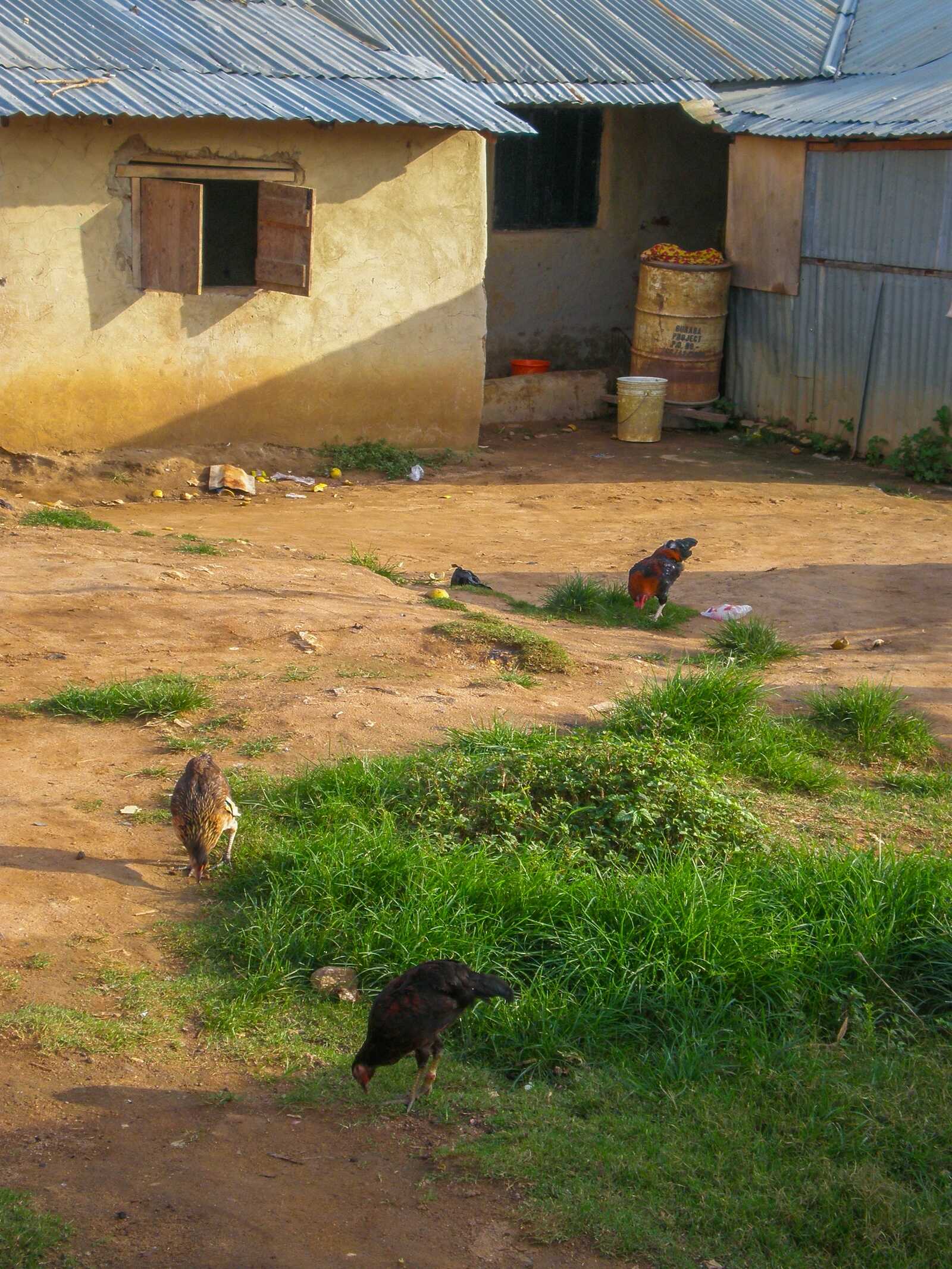
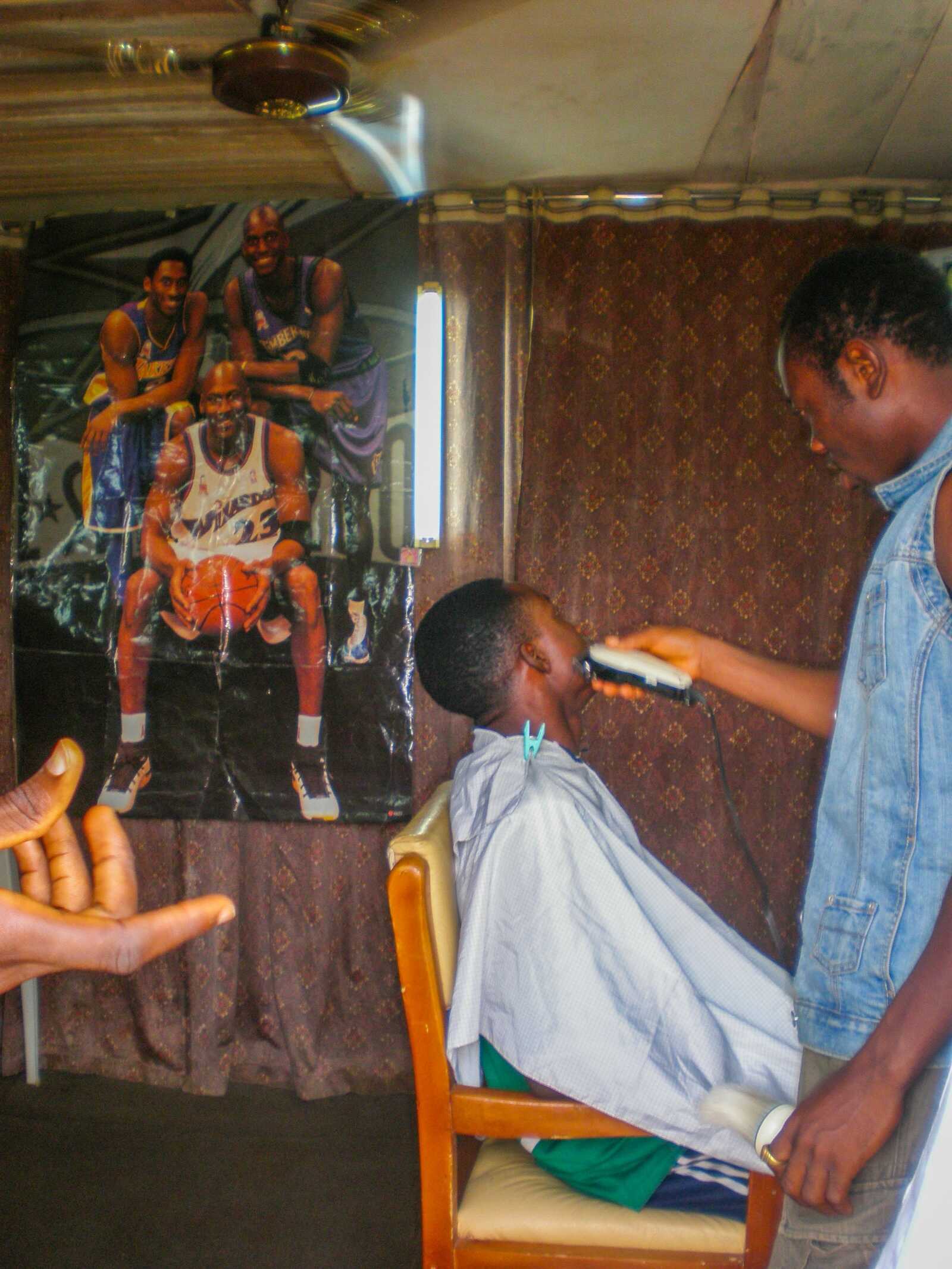
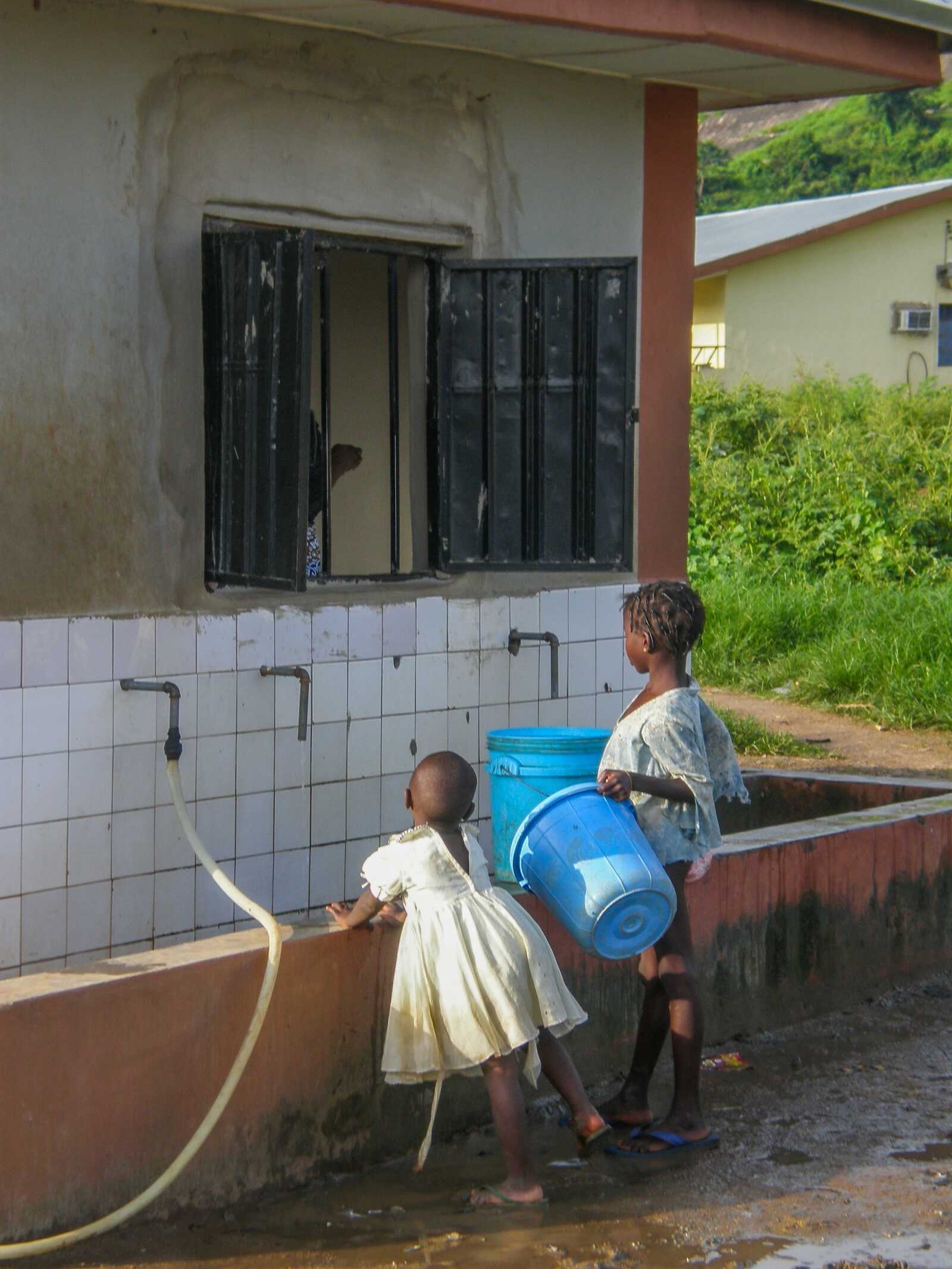
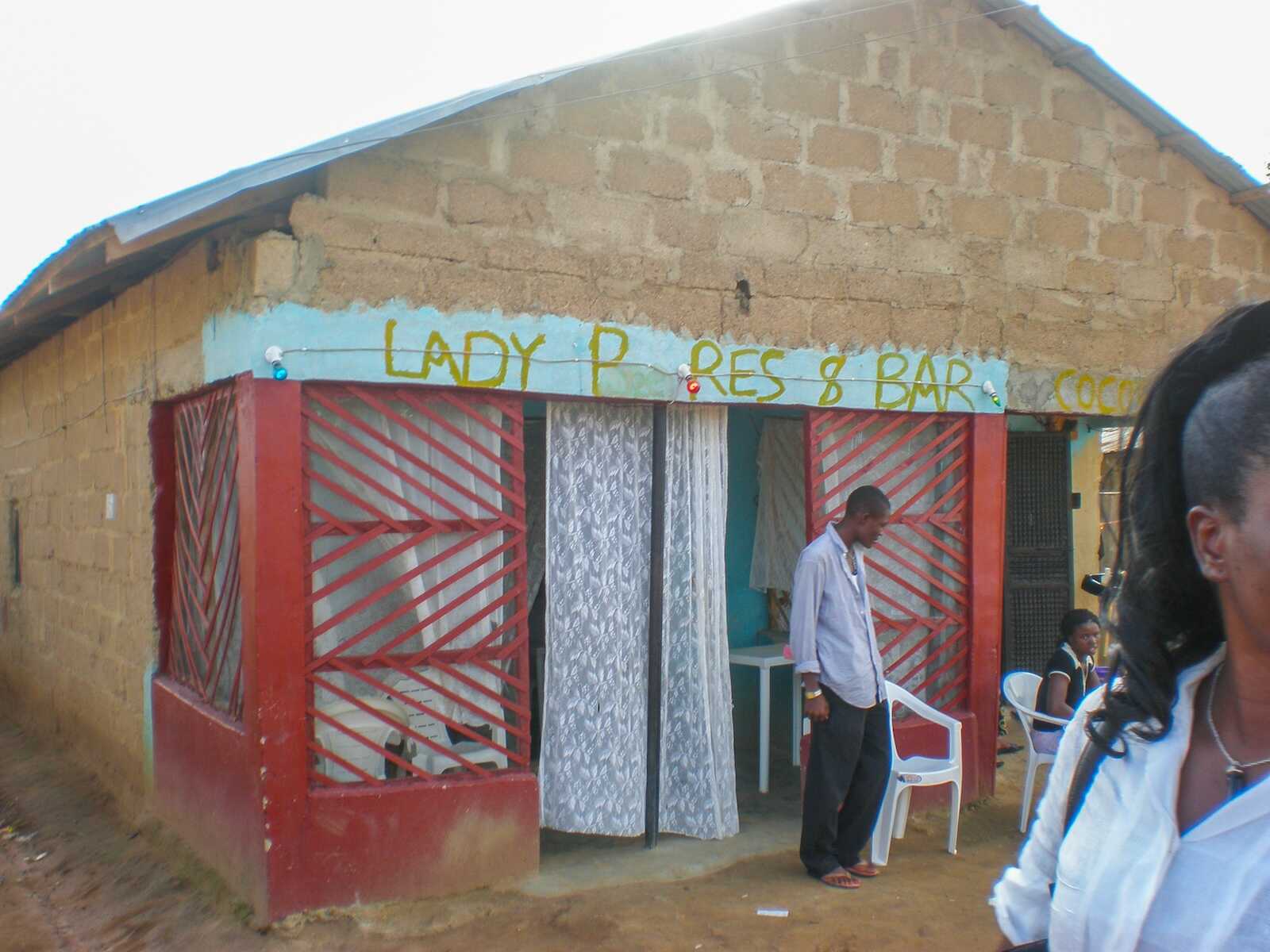
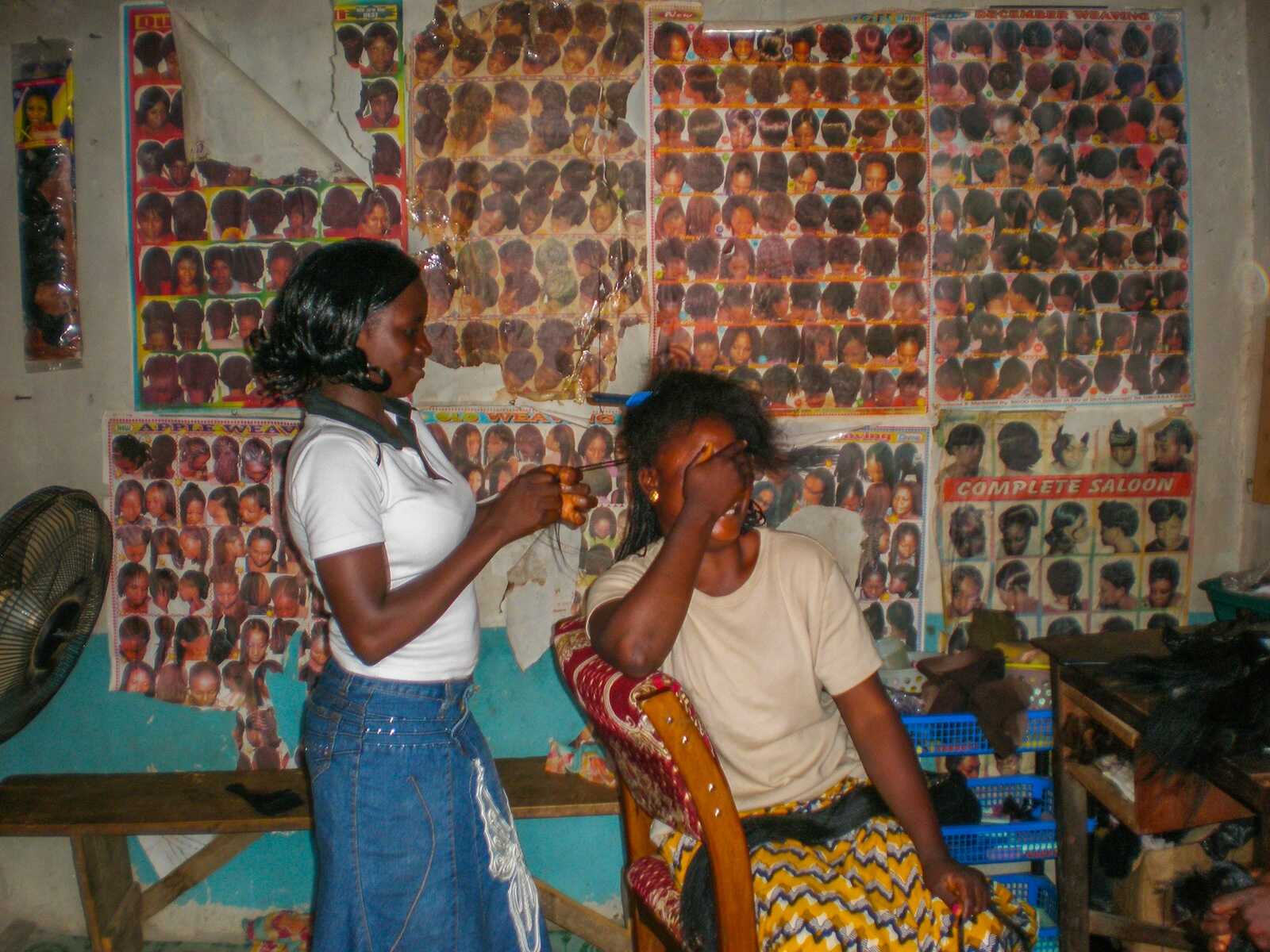
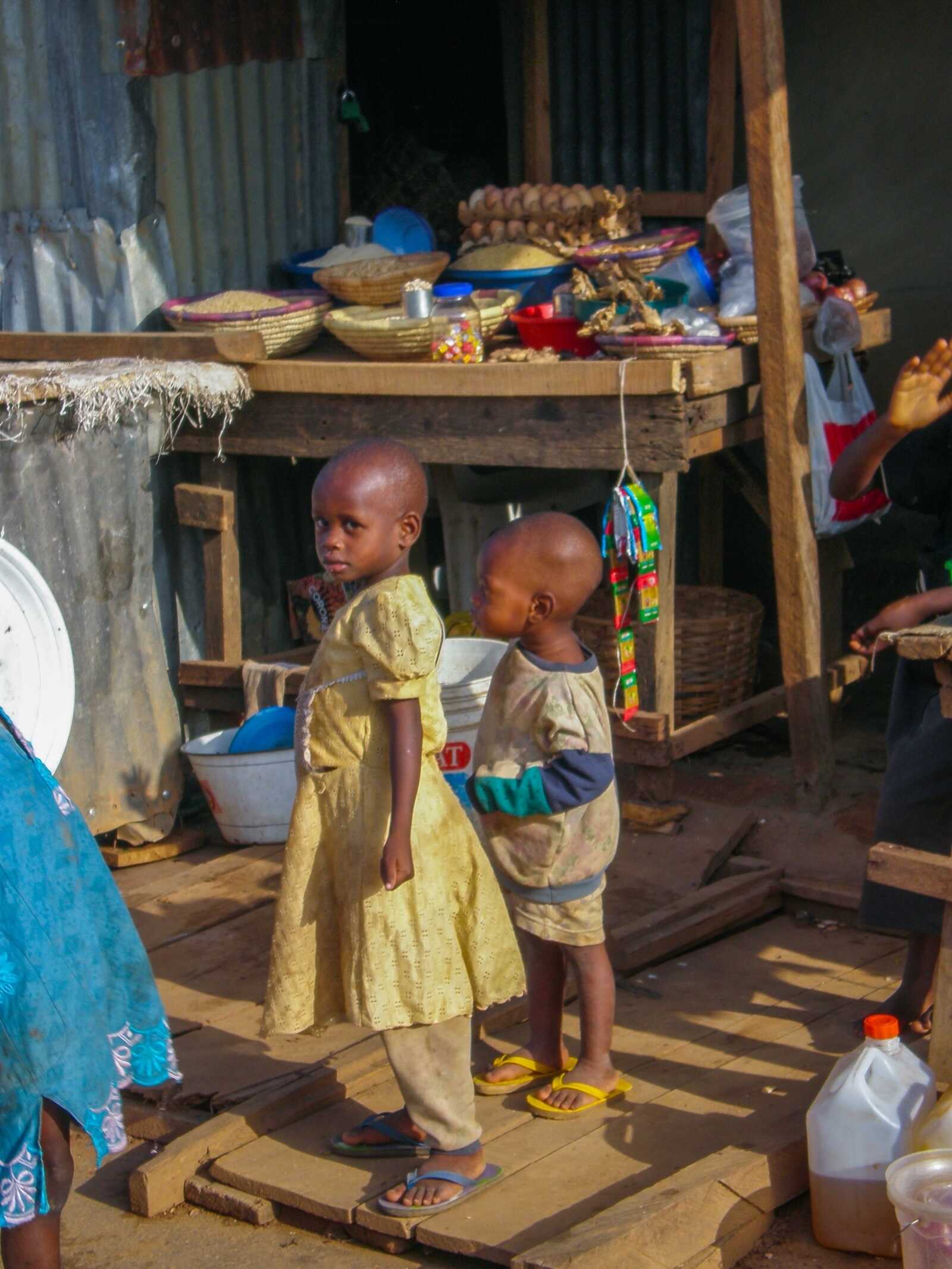
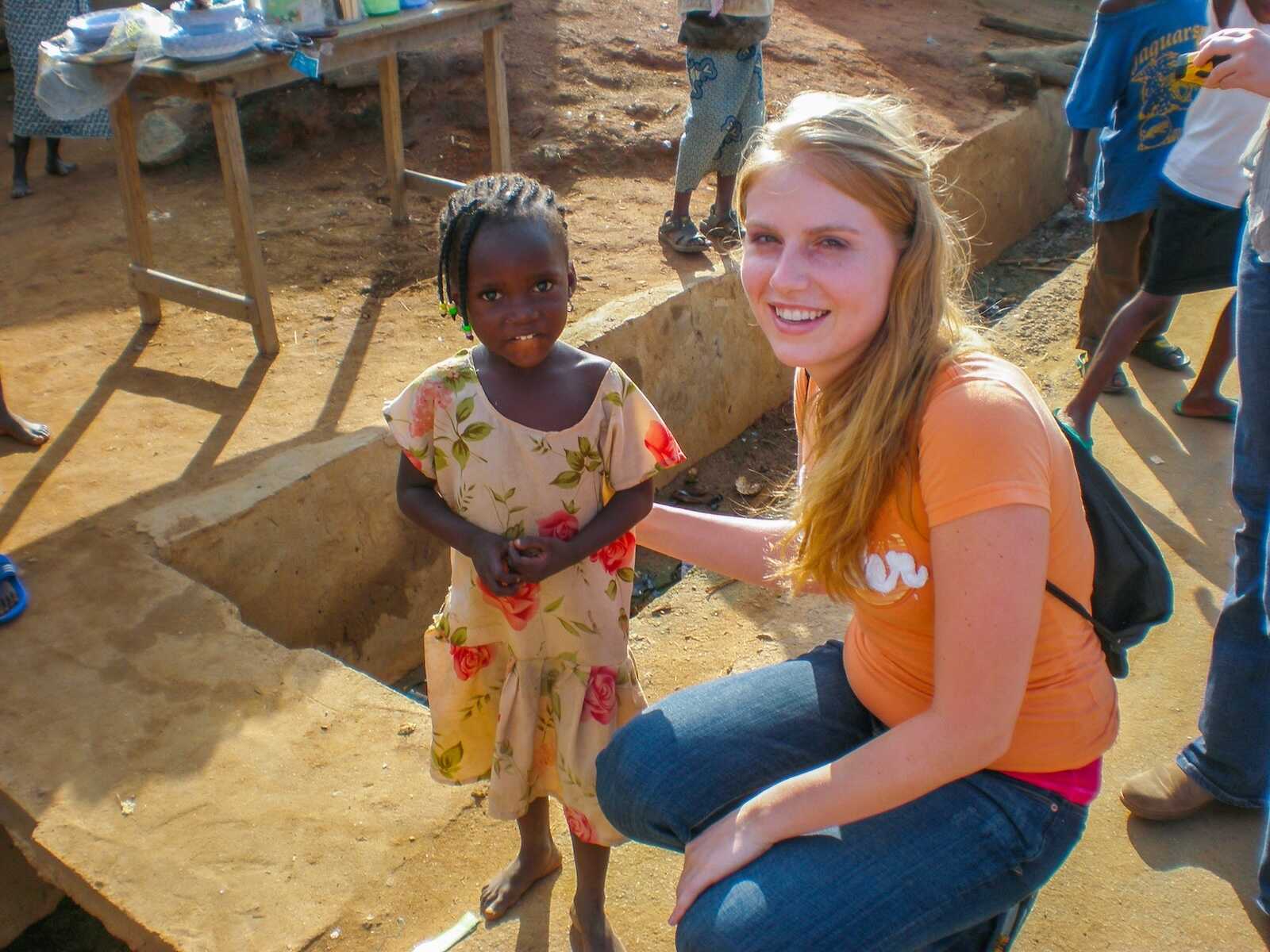
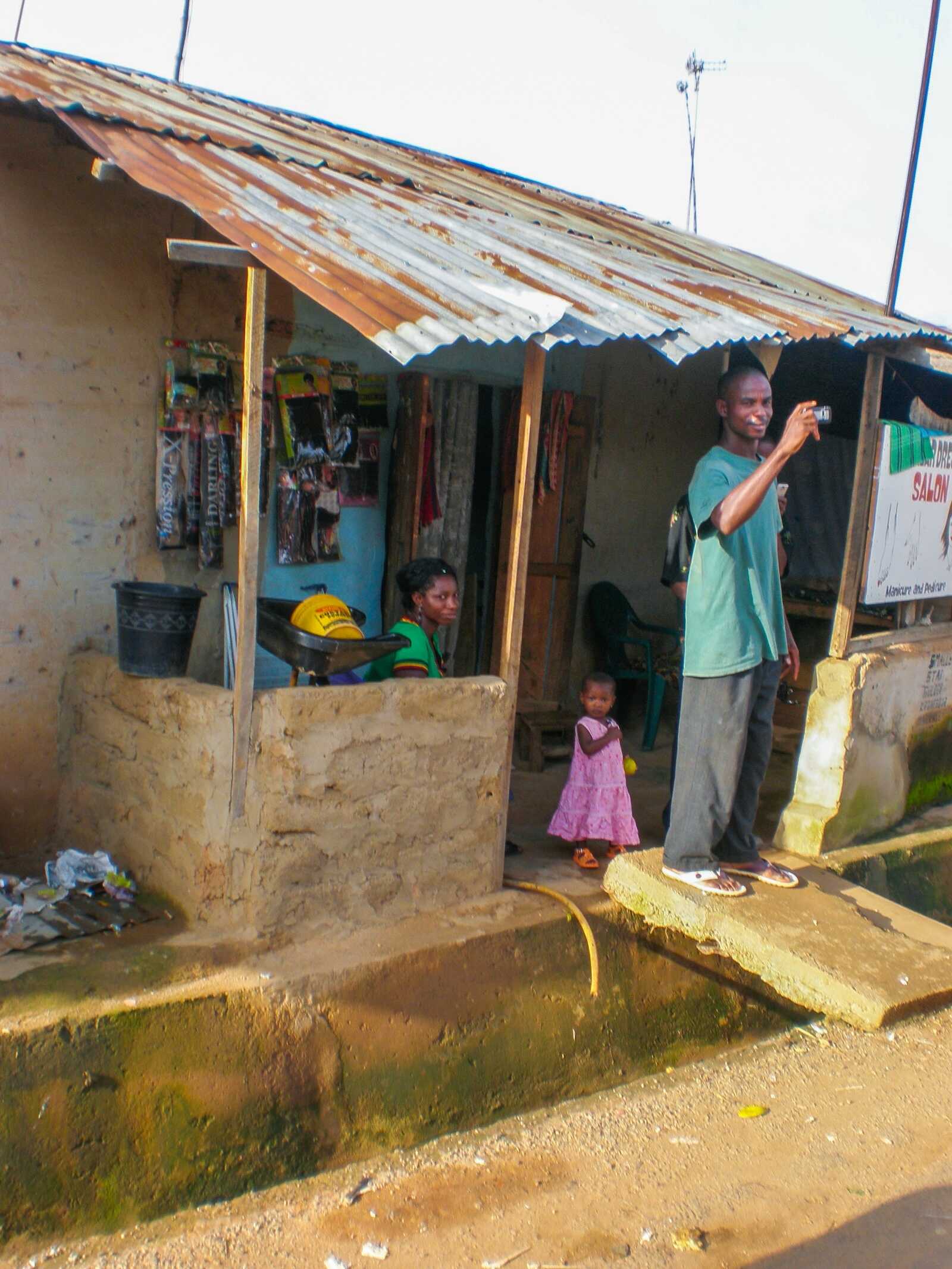
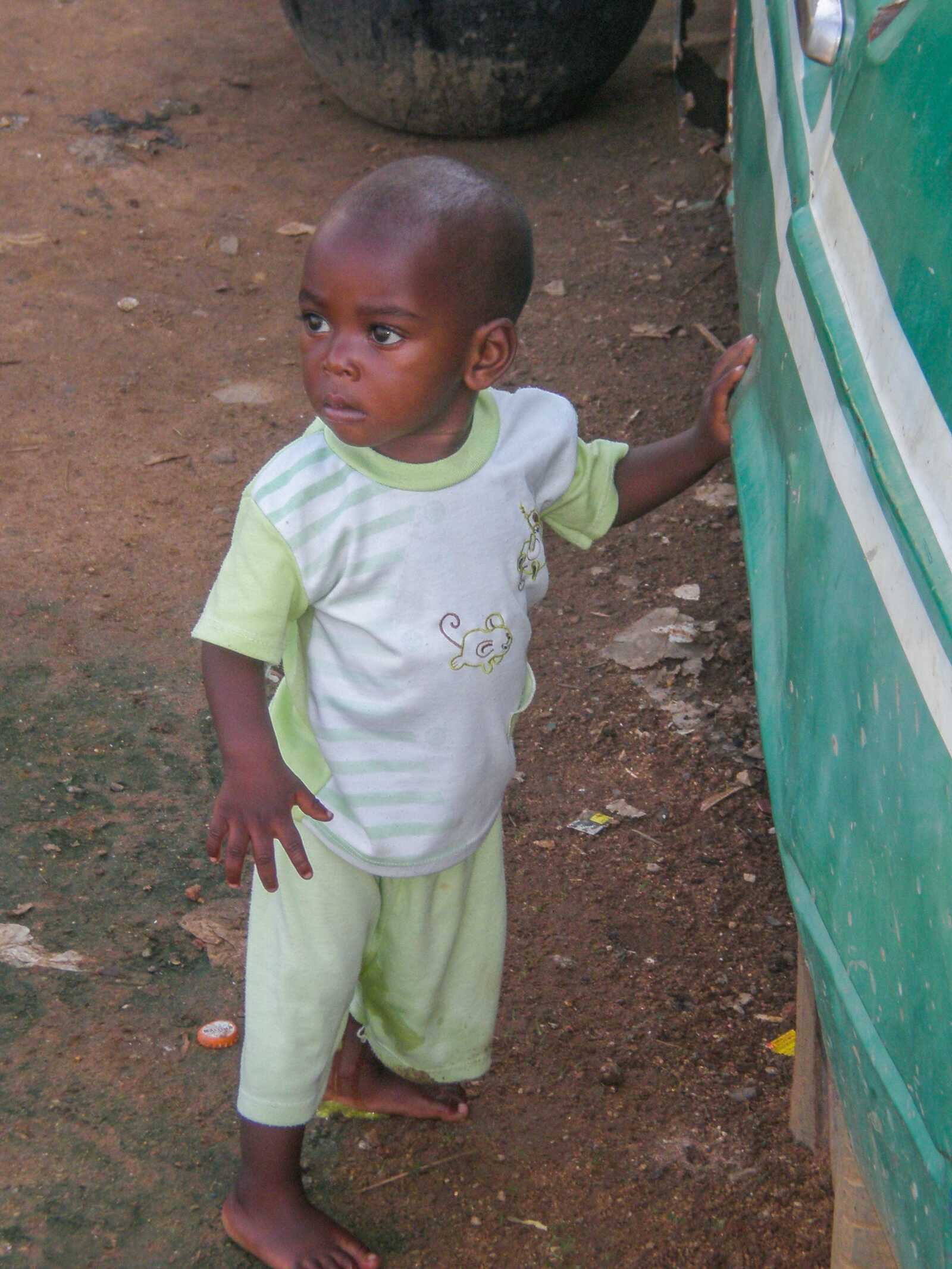
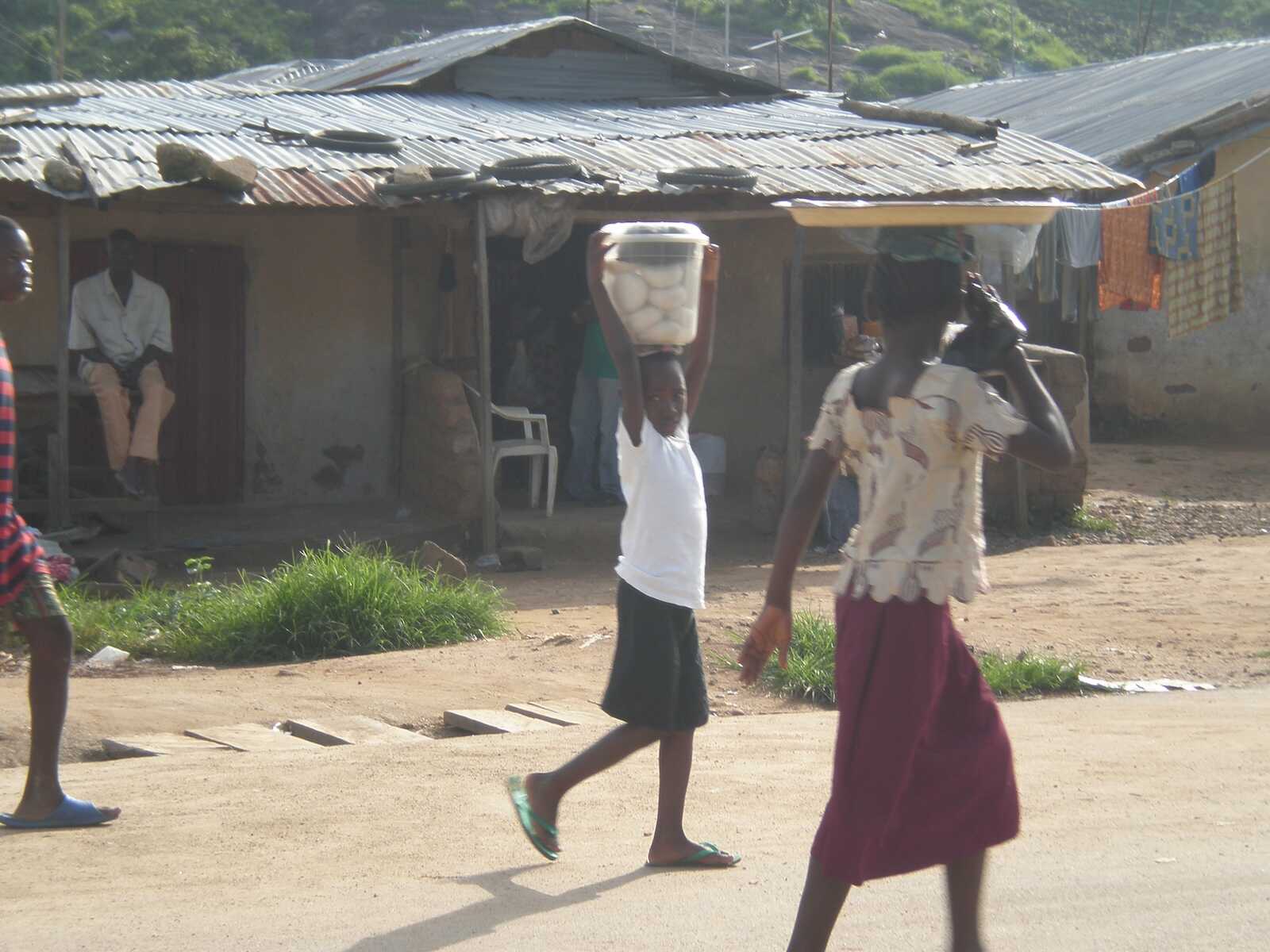
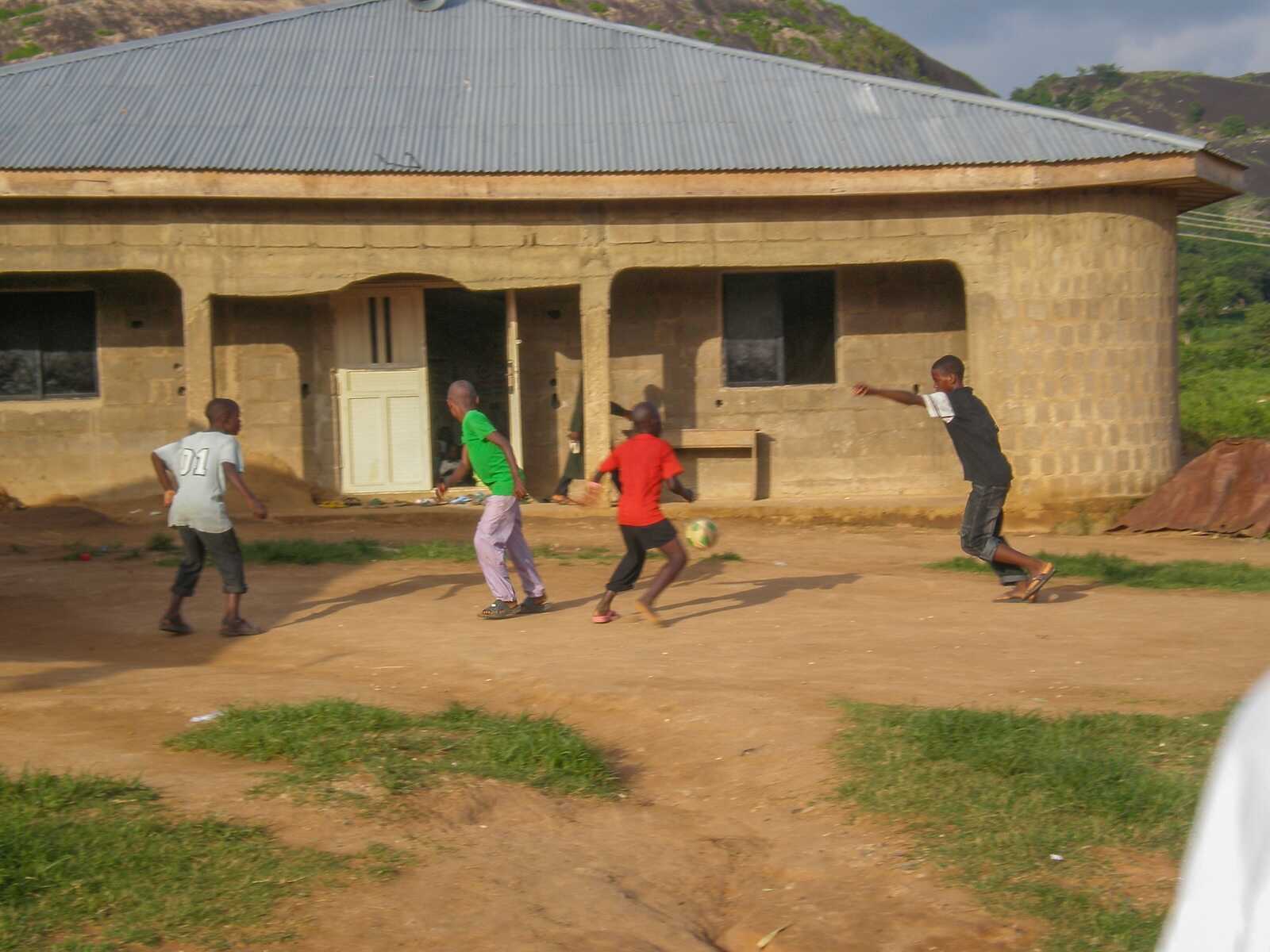
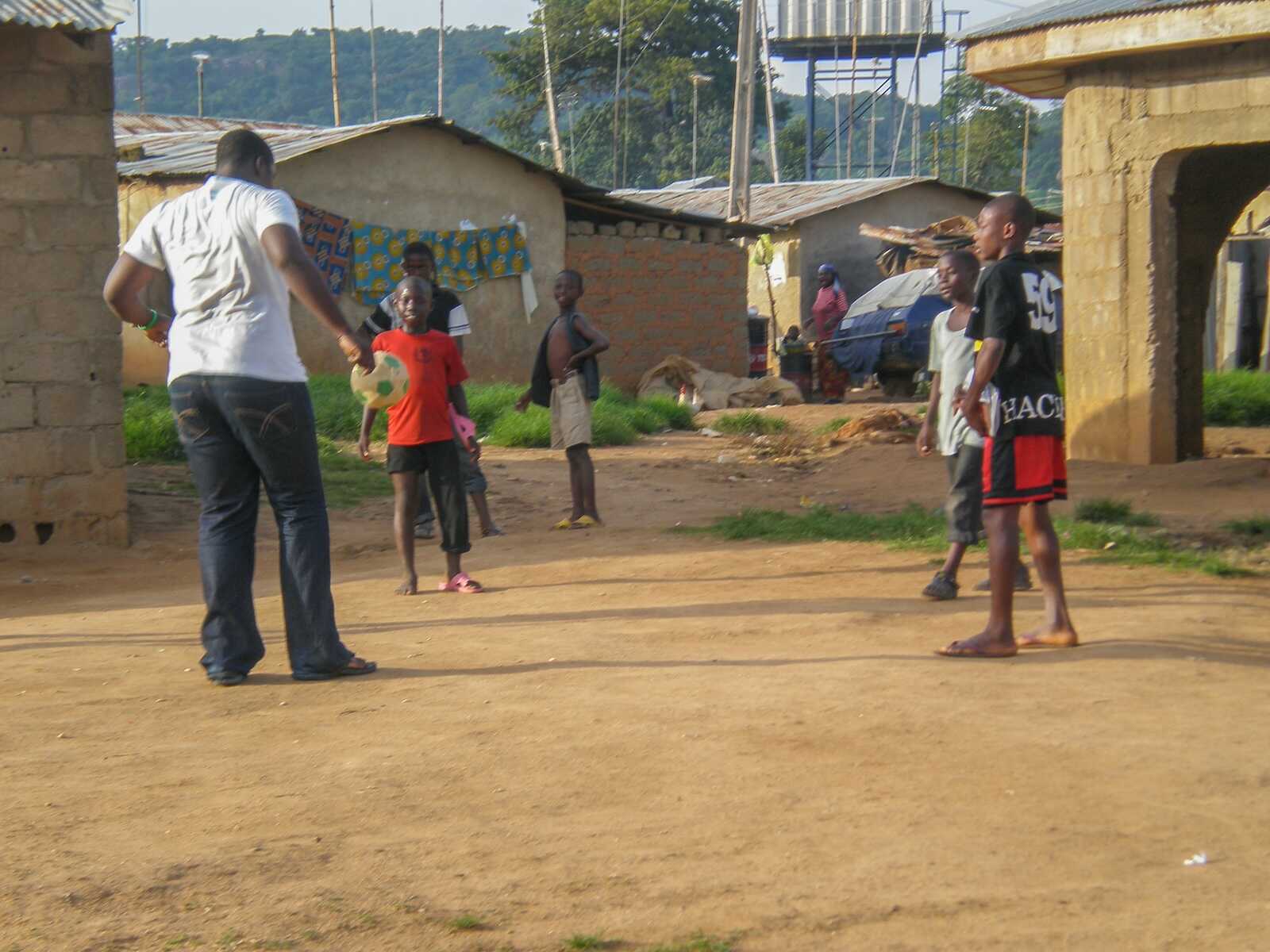
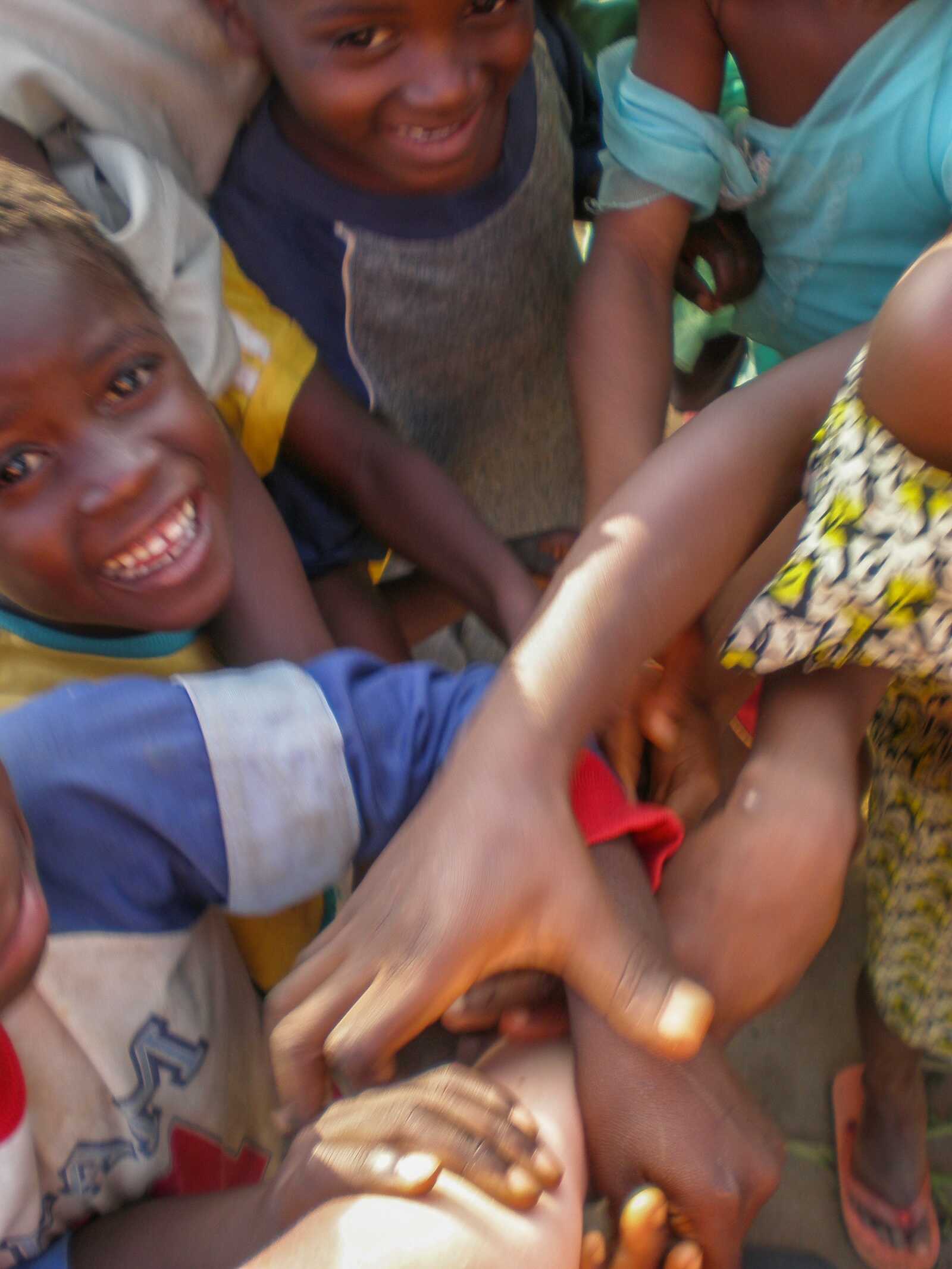
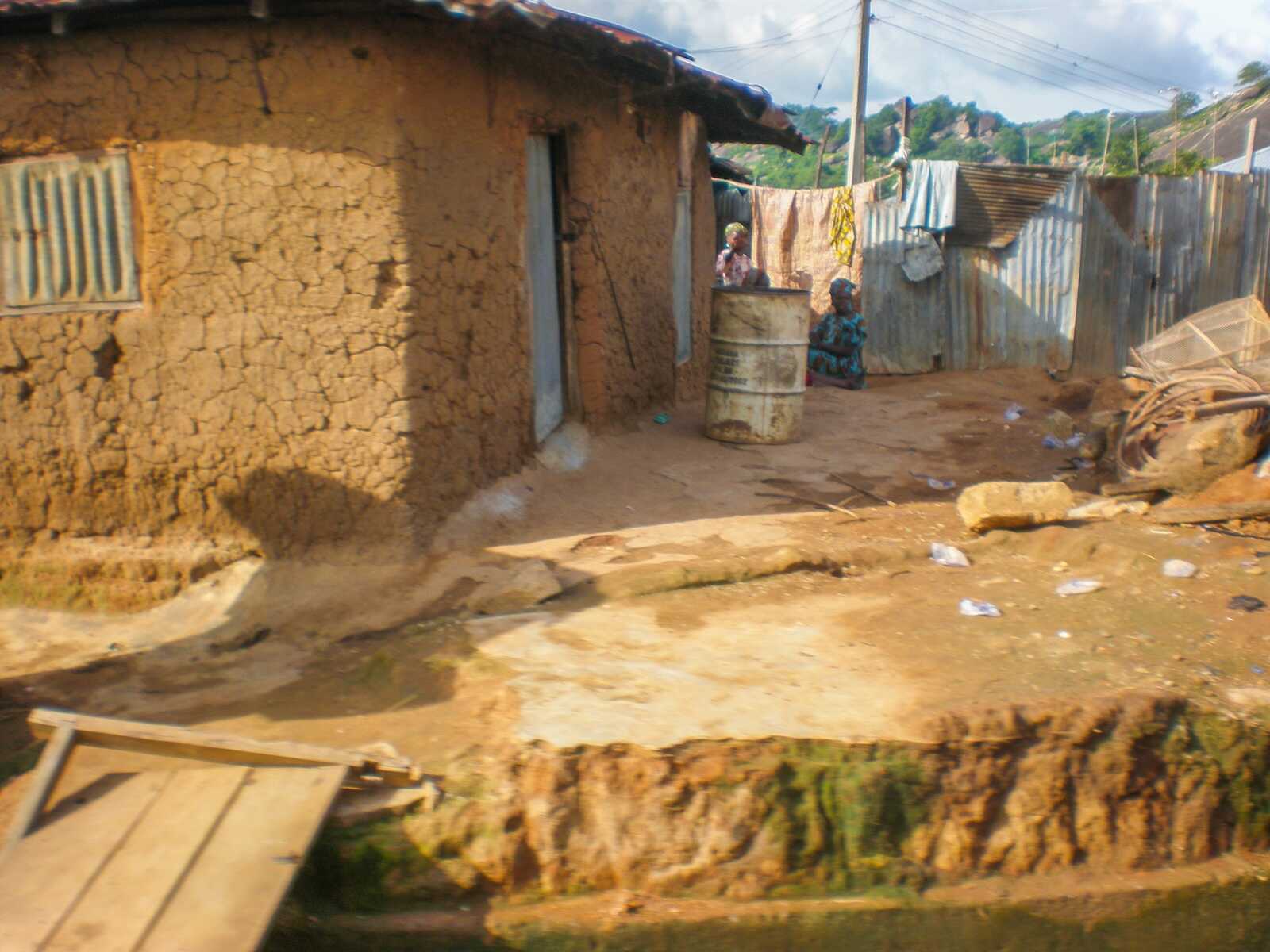
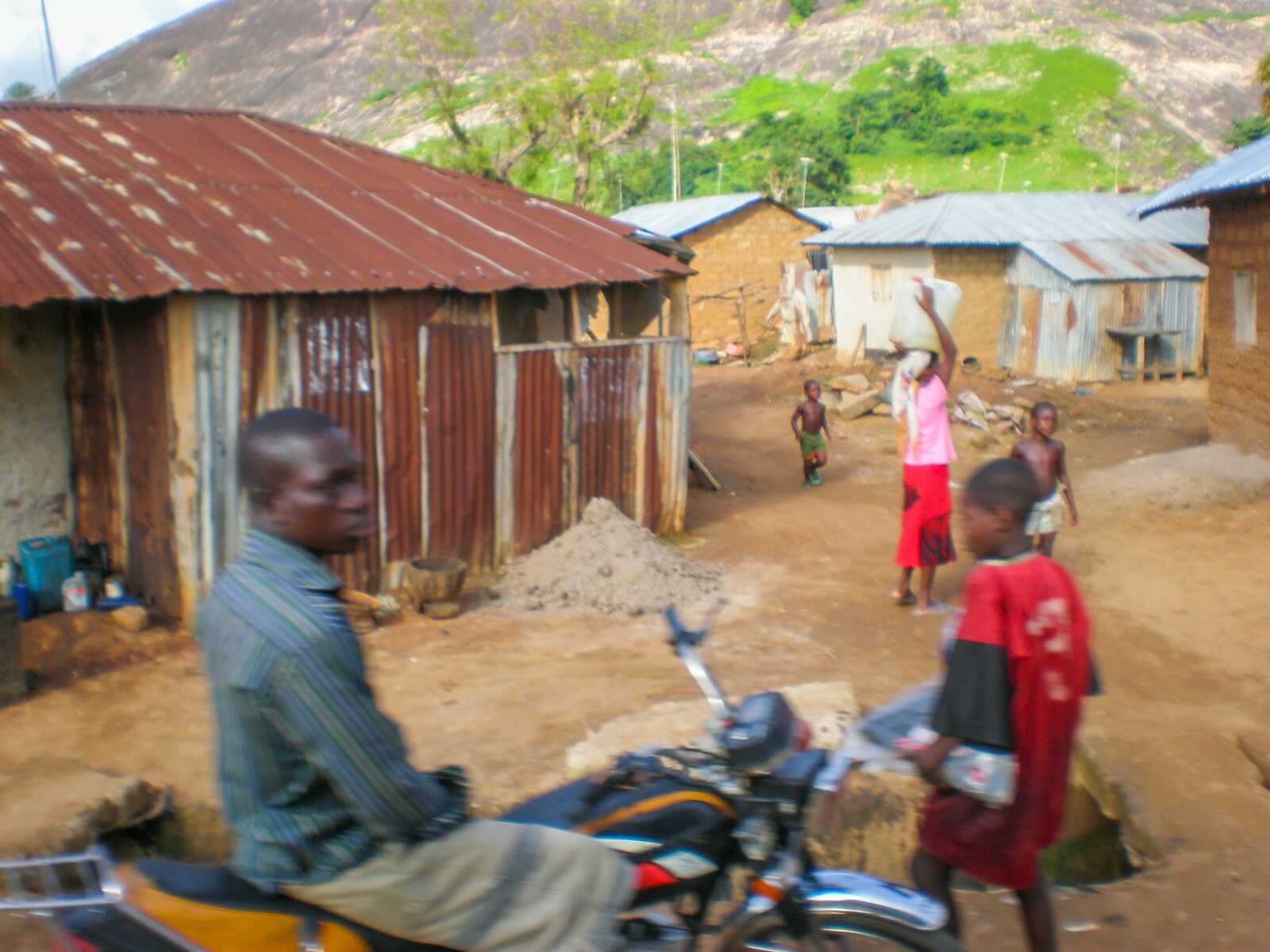
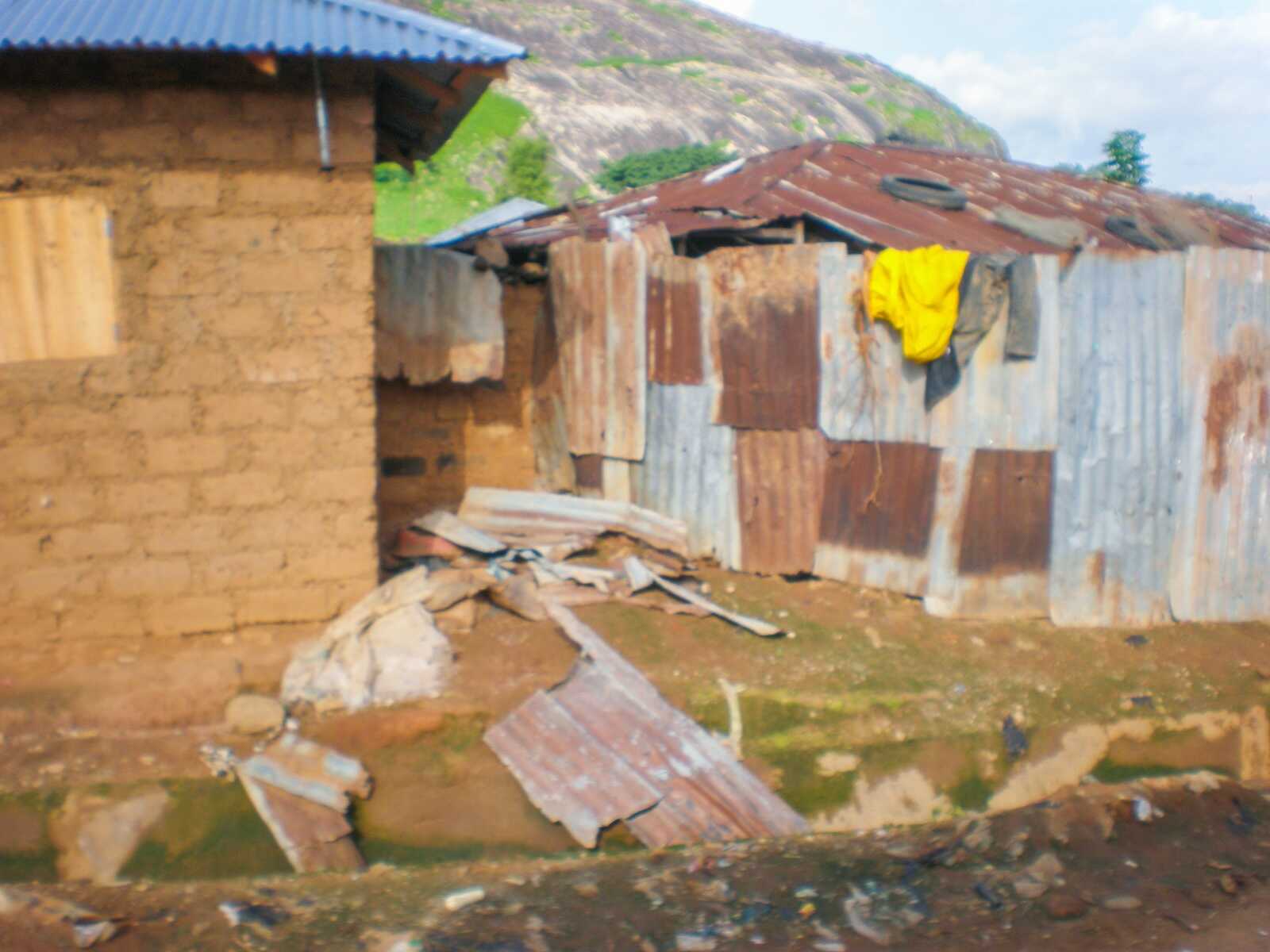
The living conditions for the people in the Ushafa Village are not ideal, and in the photos they appear to be slums. Former US president Bill Clinton had visited the village just prior to us, so the children were very used to cameras and they all ran around saying “Snap Me!”, which meant take my picture.