Mumbai, India – First Time Visitors Guide
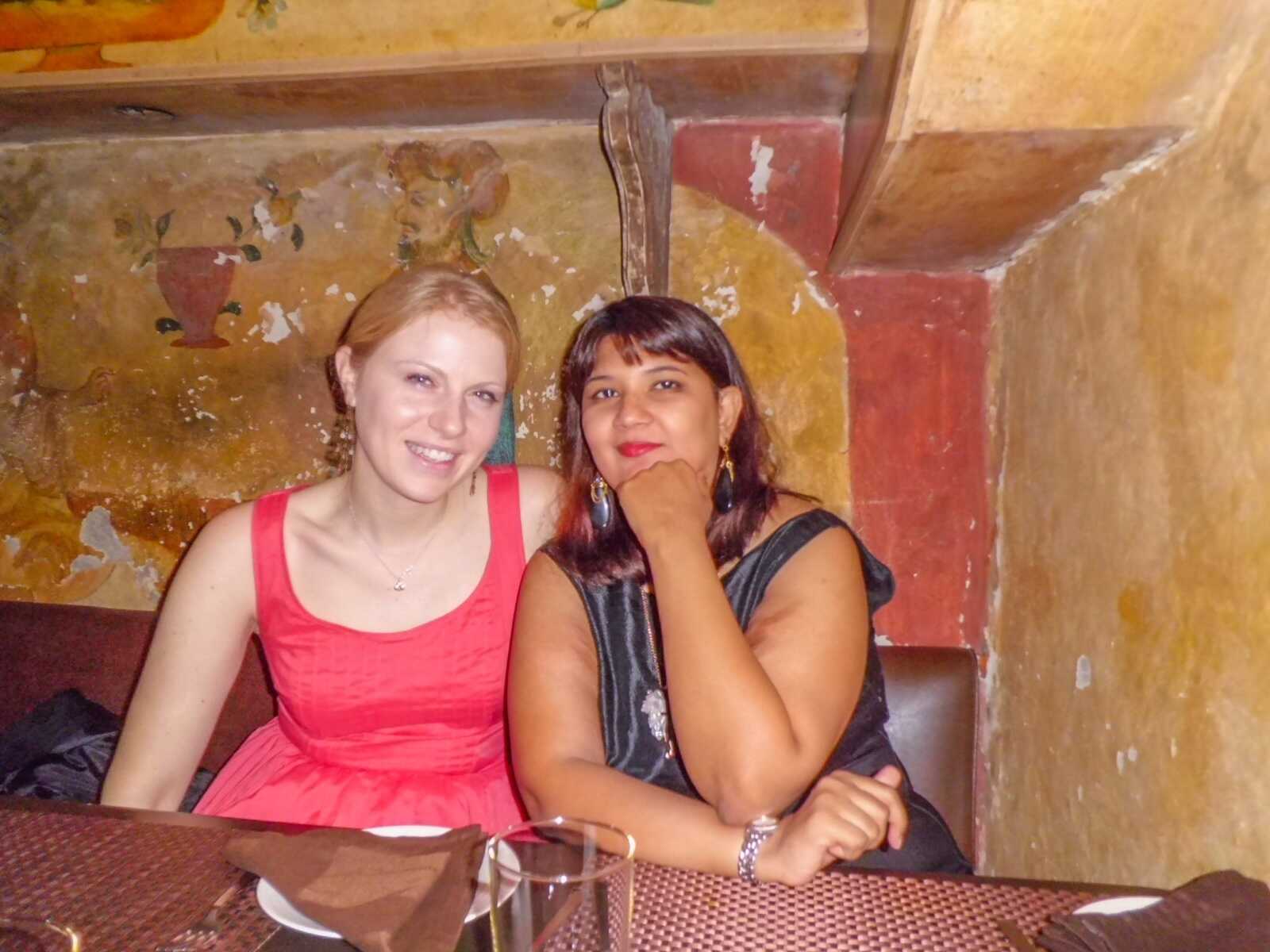
Mumbai, the bustling financial capital of India, is a city that never sleeps. With its mix of colonial architecture and cultural heritage, it offers an unique experience for first-time visitors. In January 2013 I visited friends who not only live locally, but also grew up in Mumbai. They served as excellent tour guides and showed me around the city. This guide will help you navigate the city, understand local customs, and make the most of your visit.
Best Time of Year to Visit Mumbai
The best time to visit Mumbai is during the winter months, from November to February, when the weather is pleasant and comfortable for sightseeing. During this time, temperatures range between 59°F to 86°F, making it ideal for exploring the city’s vibrant streets, historical landmarks, and coastal attractions like Marine Drive and Juhu Beach. Unlike the scorching summers (March to May) or the heavy monsoon rains (June to September), winter offers a perfect balance of warmth and cool breezes.
History of the Names Bombay and Mumbai
The city now known as Mumbai was historically called Bombay, a name that dates back to the Portuguese colonial period in the 16th century. The name “Bombay” is believed to have originated from the Portuguese term “Bombaim,” which was likely derived from the local Marathi words “Bom” (good) and “Bahia” (bay), referring to the city’s natural harbor. When the British took control in 1661, the name Bombay became widely used.
However, in 1995, the government of Maharashtra officially changed the name to Mumbai to reflect its Marathi heritage and honor Mumbadevi, the local Hindu goddess worshipped by the Koli fishermen, the city’s original inhabitants. The renaming was part of a broader movement to reclaim indigenous names and assert regional identity, marking a significant shift in the city’s cultural and political landscape.
Today, while Mumbai is the official name, Bombay is still commonly used in informal conversations, businesses, and pop culture.
Do Americans Need a Visa to Enter India?
Yes, U.S. citizens need a visa to enter India. However, they can apply for an e-Visa, which is the most convenient option for tourism, business, or medical visits.
Types of Indian Visas for U.S. Citizens:
- e-Visa (for short visits)
- Available for tourism, business, and medical purposes.
- Valid for 30 days, 1 year, or 5 years (with multiple entries).
- Can be applied for online via the official Indian e-Visa website.
- Must apply at least 4 days before travel.
- Regular Visa (for long-term stays)
- Required for work, study, journalism, or long-term residence.
- Issued by an Indian consulate or embassy in the U.S.
- Typically valid for up to 10 years with multiple entries.
Important Requirements:
- A passport valid for at least 6 months from the date of entry.
- A return ticket or onward travel proof.
- Sufficient funds for the stay.
- For e-Visas, passport must have at least two blank pages.
Flying Into Mumbai
Flying into Mumbai, India’s financial and entertainment capital, is an experience in itself. Chhatrapati Shivaji Maharaj International Airport (BOM) is one of the busiest and most well-connected airports in the world, welcoming millions of travelers each year. With its modern Terminal 2, adorned with stunning Indian art and efficient facilities, the airport offers a seamless arrival experience.
Immigration and customs can be busy, so travelers should be prepared for some wait time, especially during peak hours. Once outside, Mumbai’s energy immediately takes over—chaotic yet exhilarating. Prepaid taxis, app-based cabs like Uber and Ola, and airport shuttle services provide easy access to the city’s heart.
Getting Around Mumbai
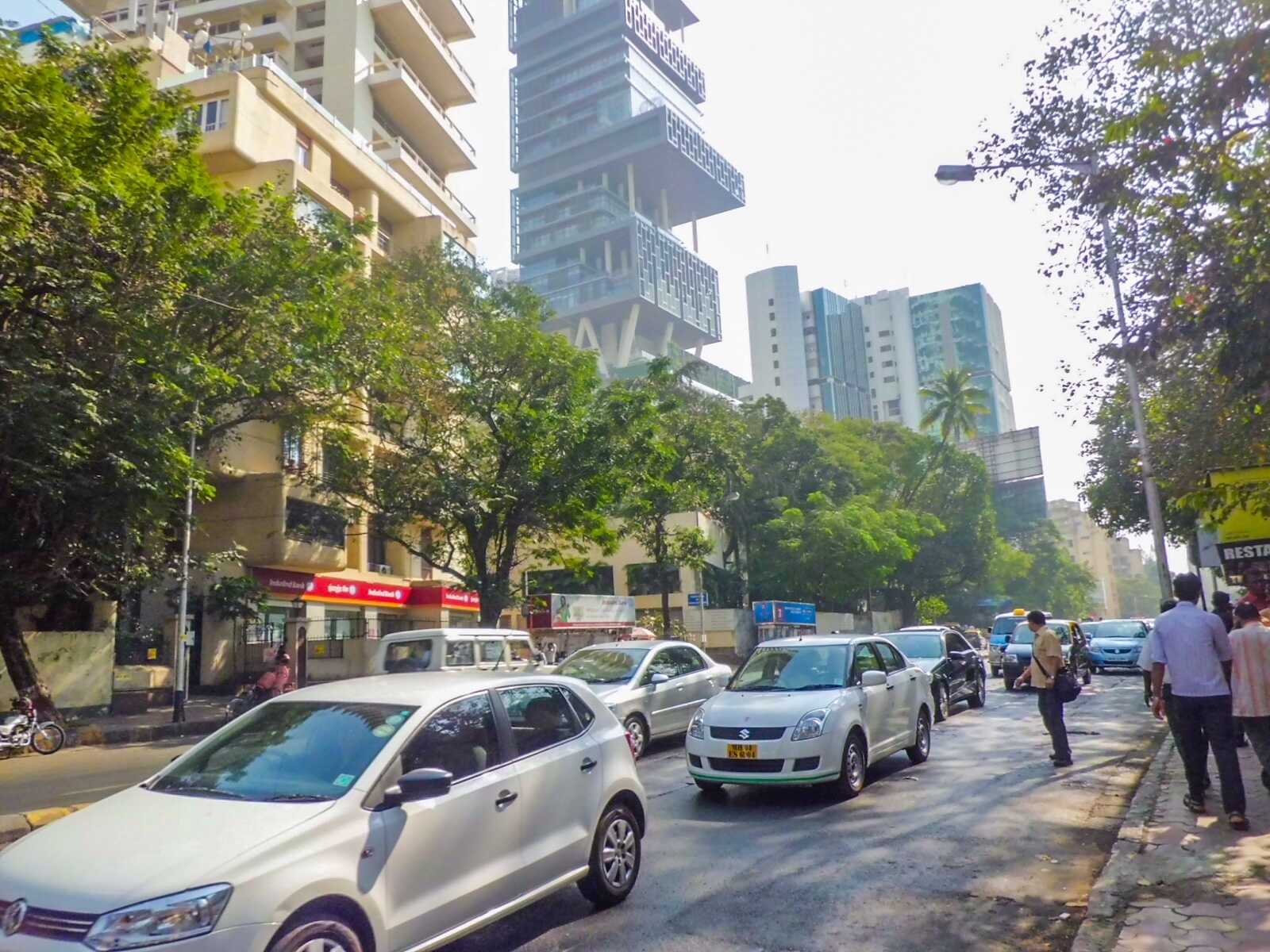
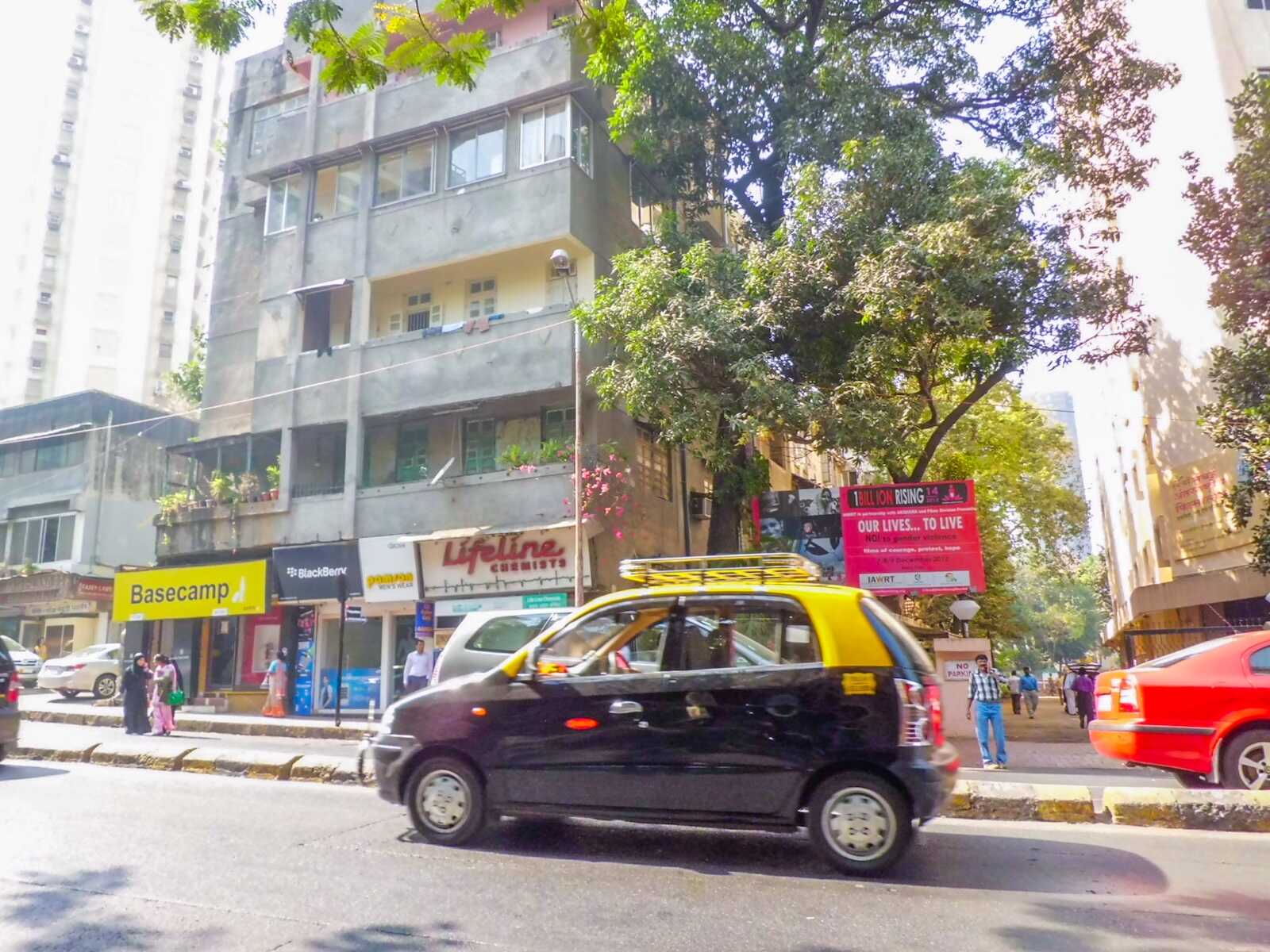
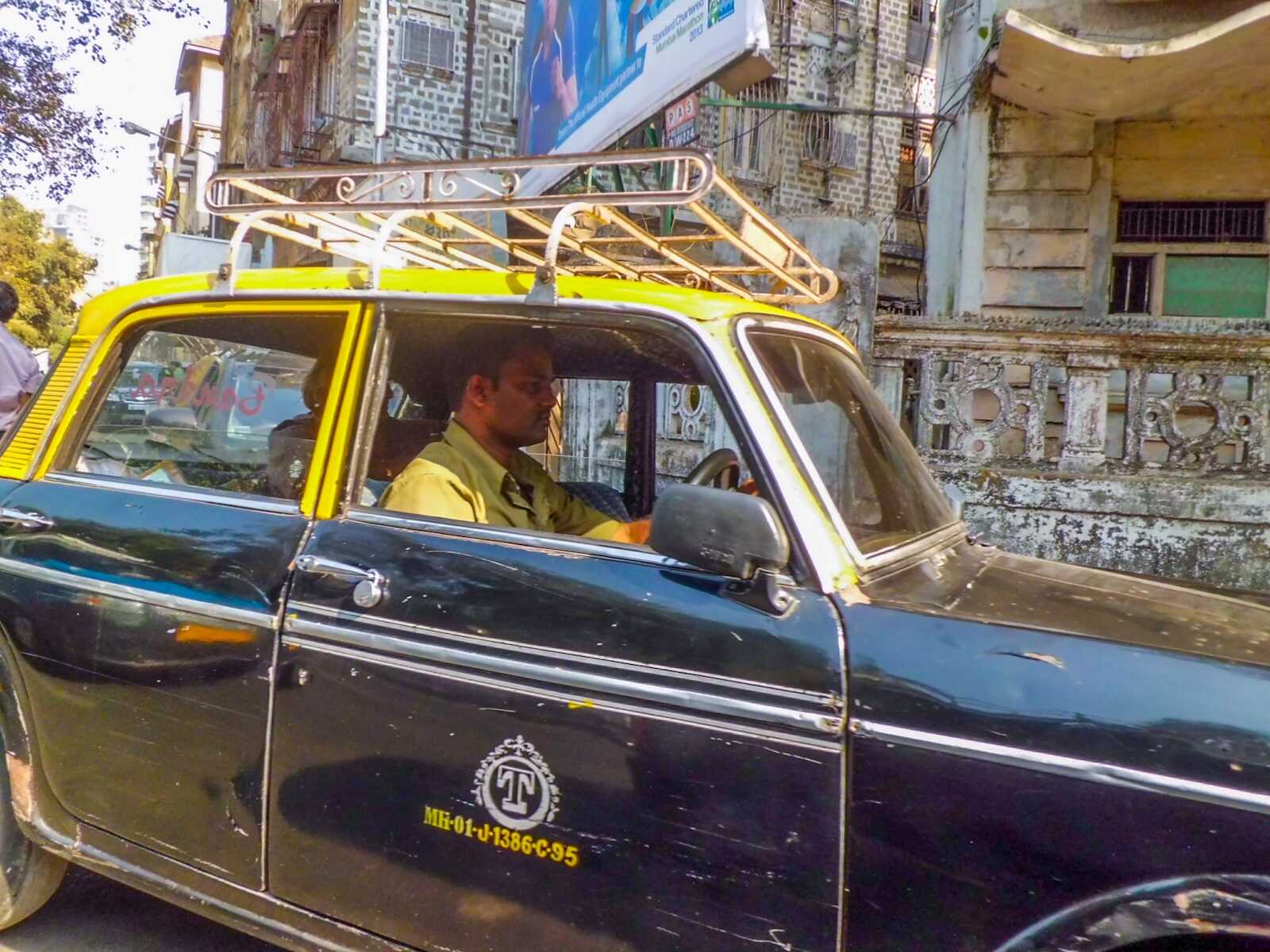
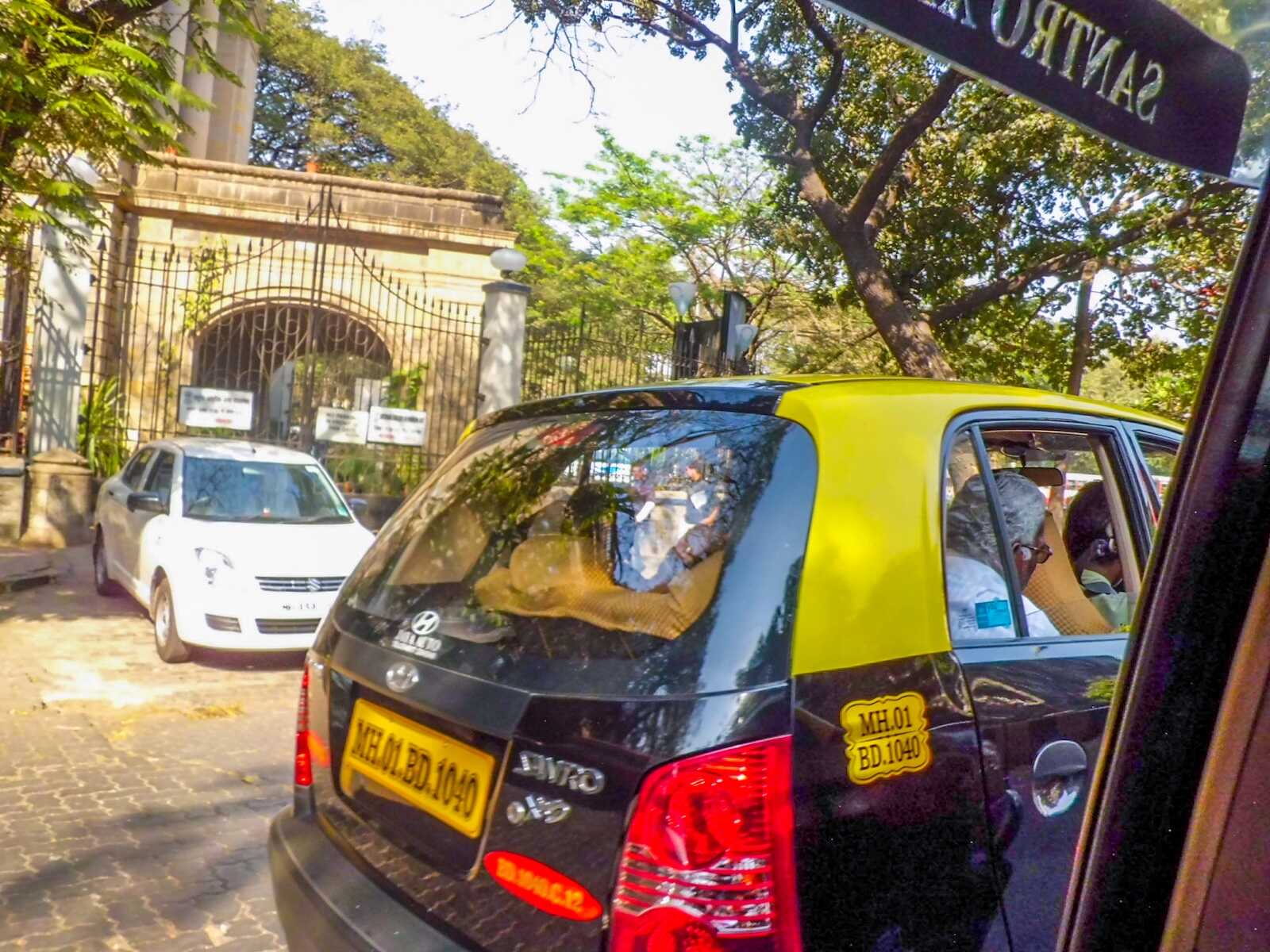
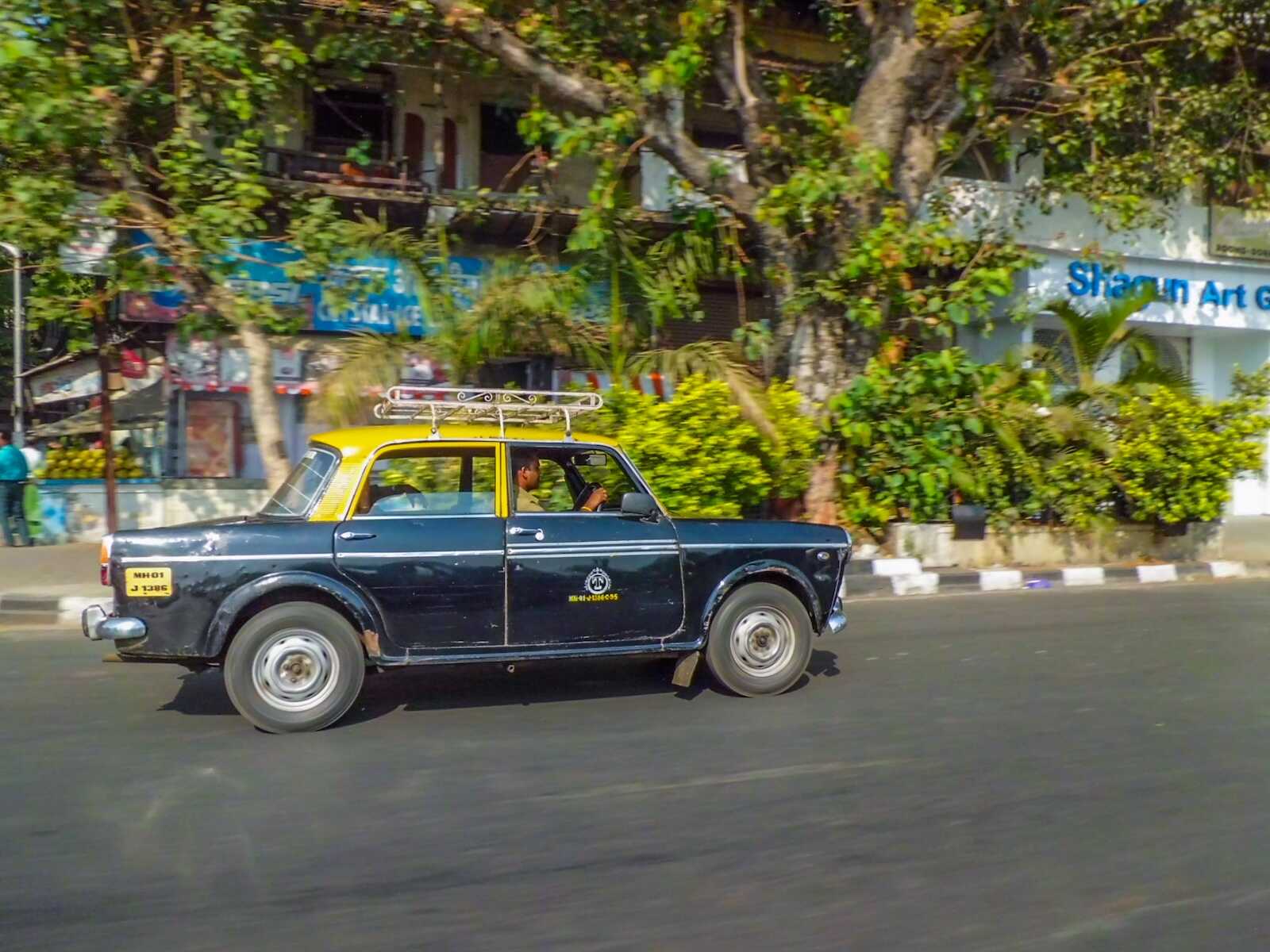
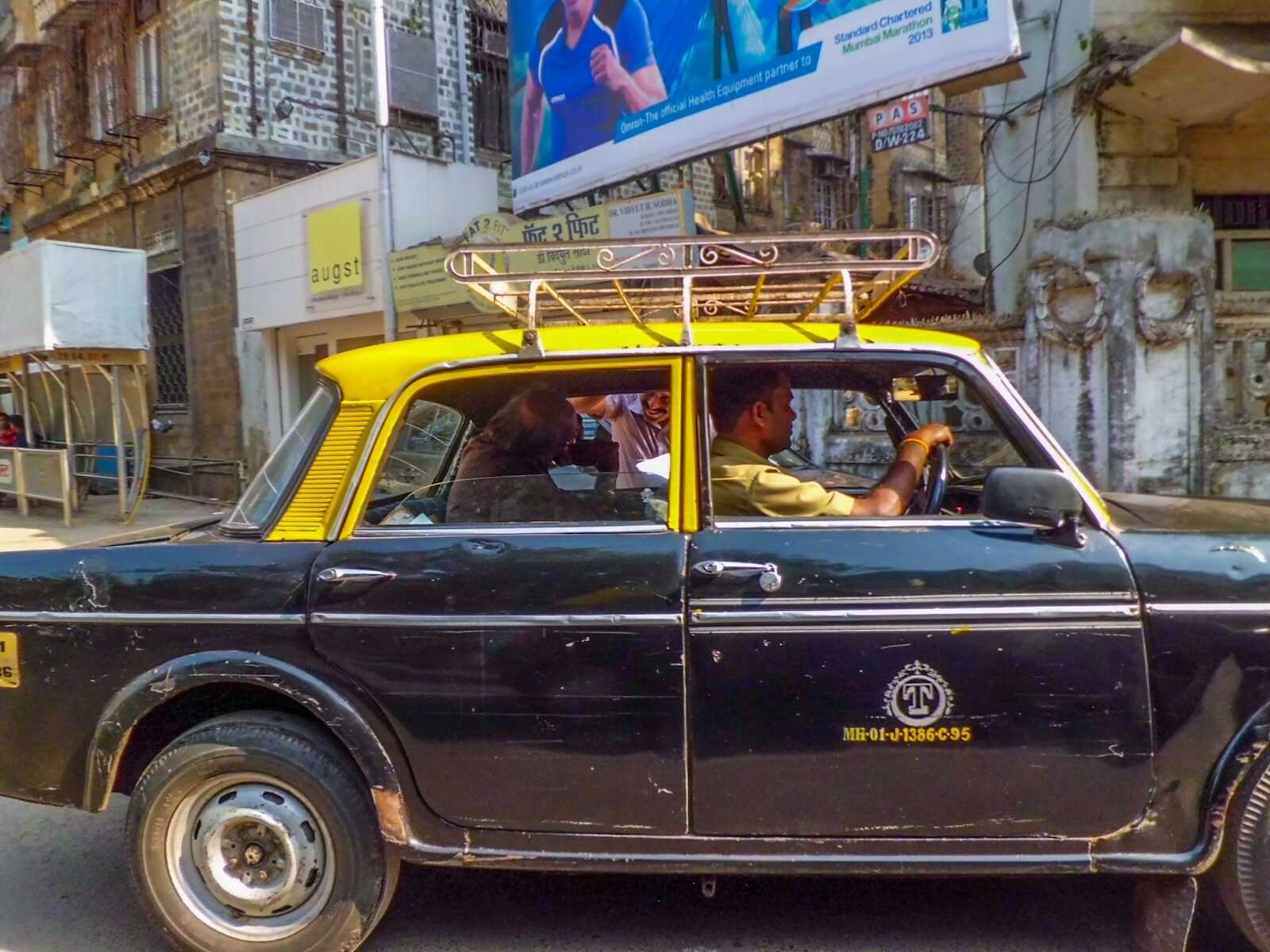
Navigating Mumbai, India’s largest city, is an adventure in itself. The city offers a mix of modern and traditional transport options, catering to every budget and convenience level. Auto-rickshaws and black-and-yellow taxis are popular for short distances, though they only operate in certain parts of the city.
App-based cabs like Uber and Ola provide a more comfortable and hassle-free experience, especially for tourists unfamiliar with local routes. For faster travel, the Mumbai Local Train is the city’s lifeline, connecting distant suburbs to the city center, but it gets extremely crowded during peak hours.
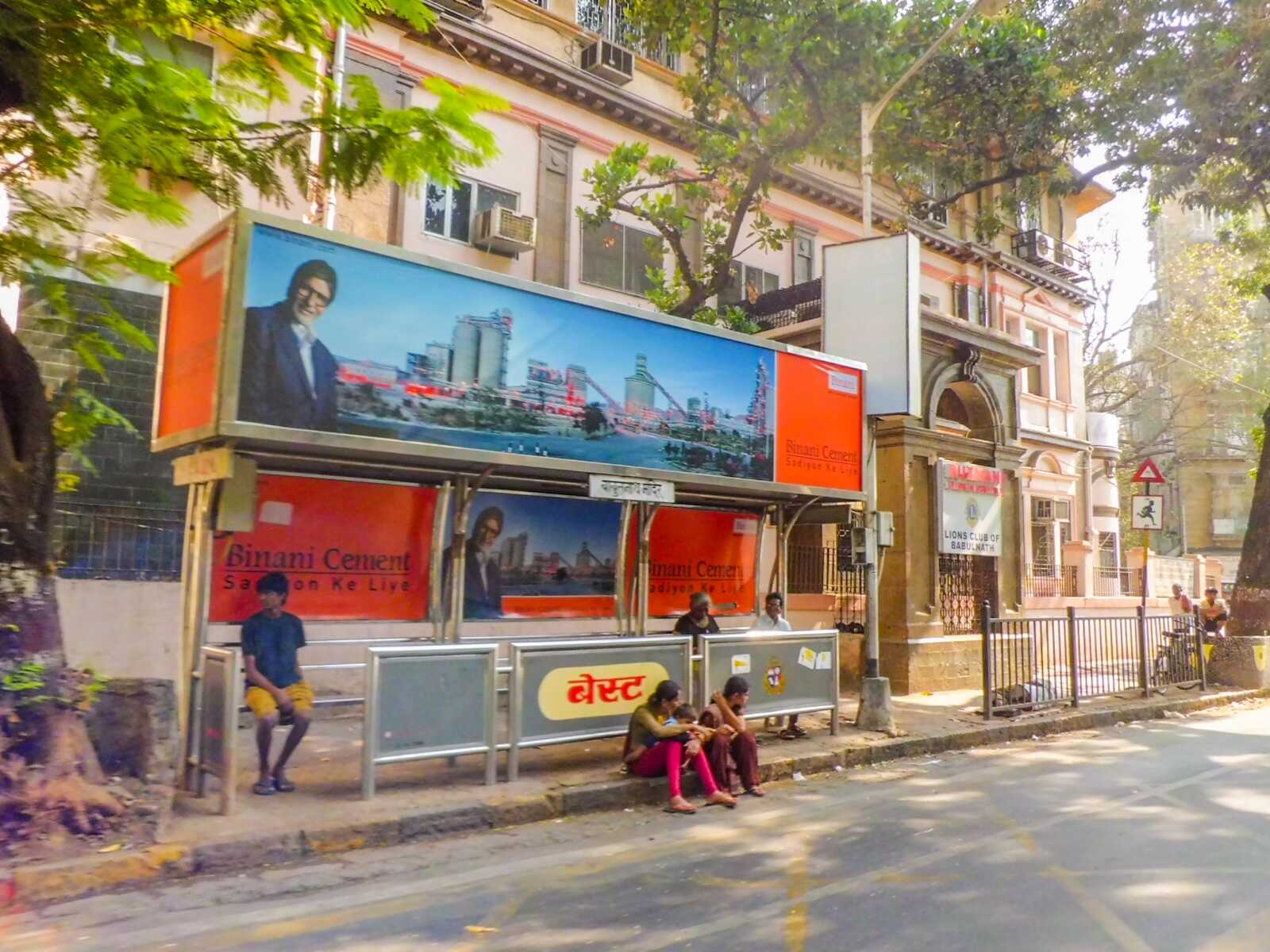
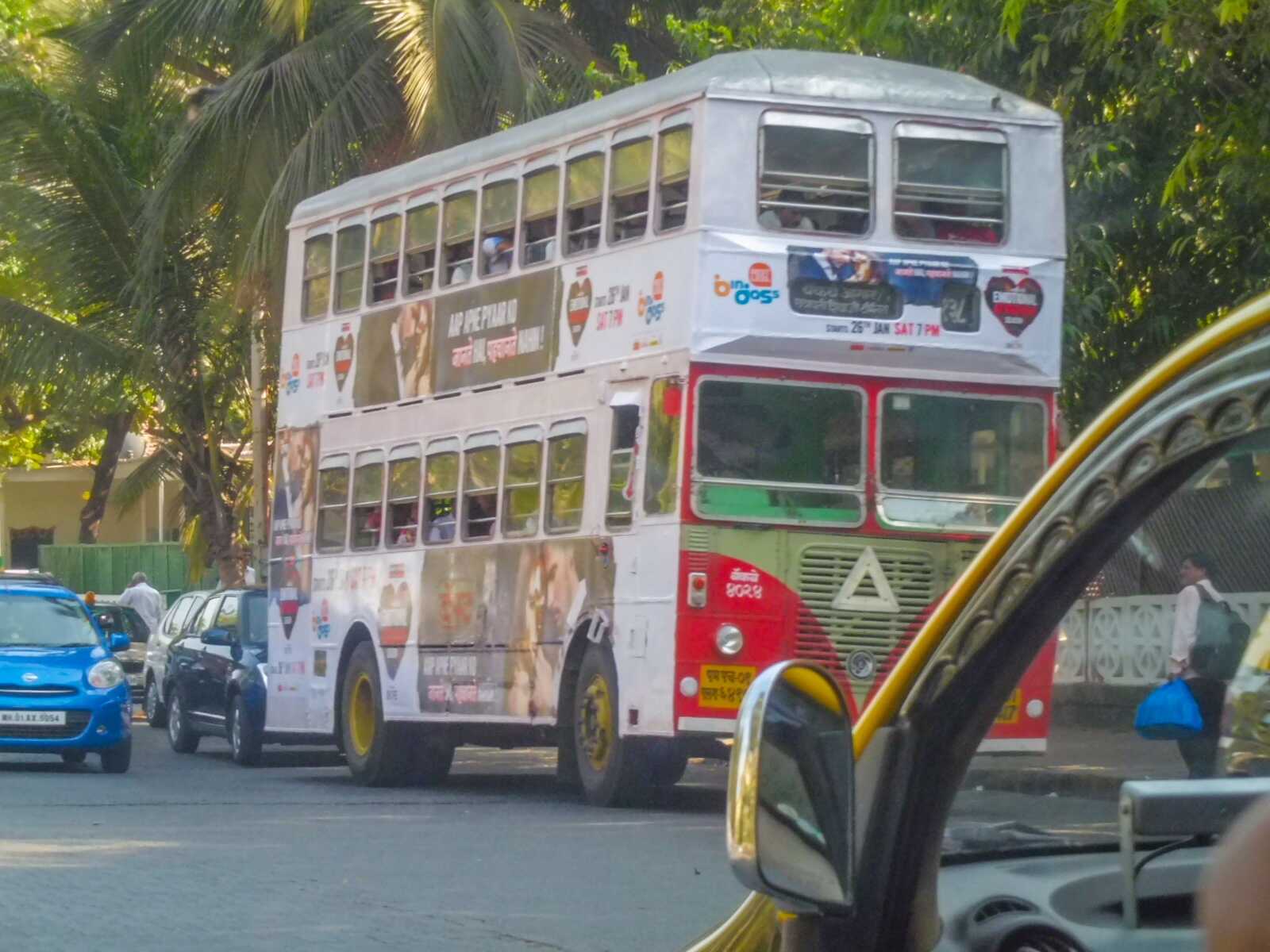
The newer Mumbai Metro and BEST buses offer more affordable and comfortable commuting options. Ferries from Gateway of India provide scenic transport to coastal destinations like Elephanta Island and Alibaug.
While Mumbai’s roads are infamous for traffic, strategic travel planning—such as avoiding rush hours—can make getting around the city more efficient and enjoyable.
Currency and Money Matters
In Mumbai, as in the rest of India, the official currency is the Indian Rupee (INR). Cash is widely used, especially in local markets, street stalls, and smaller establishments, but digital payments and credit/debit cards are becoming increasingly common in malls, restaurants, and hotels.
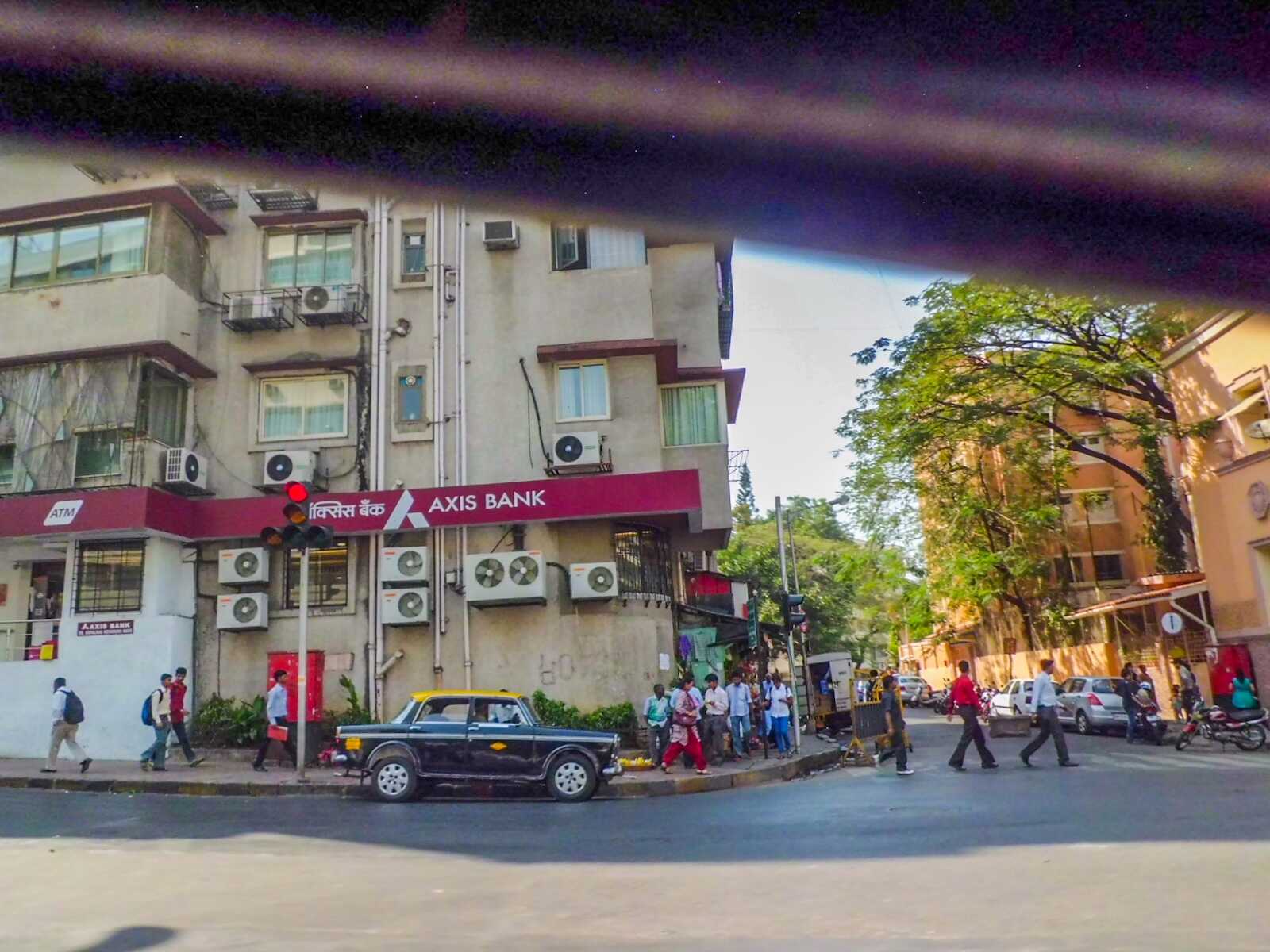
ATMs are widely available throughout the city, but it’s advisable to use machines attached to major banks for security reasons. Money exchange services can be found at the airport, banks, and authorized forex dealers, though airport rates may be less favorable.
Mobile payment apps like Paytm, Google Pay, and PhonePe are widely accepted, but international travelers may need an Indian bank account to use them. It’s always good to carry some small denomination notes for taxis, tips, and local shopping.
Before traveling, checking with your bank about international transaction fees and card usability in India can help avoid unnecessary charges.
The US Dollar Exchange Rate
The U.S. dollar (USD) is strong in India, as the Indian Rupee (INR) has a lower value compared to the USD. The exchange rate fluctuates, but as of recent trends, 1 USD equals approximately 80-85 INR. This makes India a relatively affordable destination for American travelers, especially when it comes to food, transportation, and shopping.
Visiting Mumbai for Dwali
Visiting Mumbai during Diwali is a magical experience, as the city comes alive with dazzling lights, festive markets, and vibrant celebrations. Diwali, the Festival of Lights, usually falls between October and November, and Mumbai transforms into a breathtaking spectacle of illuminated streets, decorated homes, and bursting fireworks.
The city’s famous landmarks, such as Marine Drive, Gateway of India, and CST Station, are beautifully lit, creating a mesmerizing atmosphere. Markets like Zaveri Bazaar and Crawford Market are bustling with shoppers buying sweets, lanterns, and gifts, while temples host special prayers and cultural performances.
The spirit of Diwali is best experienced by visiting local neighborhoods, where families light diyas (oil lamps), exchange sweets like modaks and kaju katli, and celebrate with traditional music and dance. For an unforgettable experience, visitors can also enjoy lavish Diwali feasts at top restaurants or witness the grand firework displays over the city’s skyline.
Visiting Mumbai for Holi
Visiting Mumbai during Holi is an unforgettable experience filled with color, music, and joyful celebrations. Holi, known as the Festival of Colors, usually falls in March and marks the arrival of spring with vibrant festivities across the city. Streets come alive as people smear each other with gulal (colored powder), dance to Bollywood beats, and enjoy traditional sweets like gujiya and malpua.
Popular Holi events, such as Rang Barse and Holi Reloaded, offer a mix of music, rain dances, and organic colors for a fun and safe celebration. Beachfronts like Juhu Beach and Versova Beach become gathering spots for revelers, while housing societies and local communities organize lively Holi parties.
Must-Try Foods in Mumbai
Mumbai is a paradise for food lovers, offering everything from street snacks to fine dining.
Vegetarian Food in India
India has a large vegetarian population, especially due to religious and cultural influences. Dishes like Dal Tadka, Paneer Butter Masala, Chole Bhature, Masala Dosa, and Aloo Paratha are loved by both vegetarians and non-vegetarians alike.
Don’t miss these iconic Indian dishes:
- Vada Pav – The city’s favorite street food, a spicy potato fritter in a bun.
- Pav Bhaji – A buttery, spicy vegetable mash served with soft bread rolls.
- Pani Puri – Crispy puris filled with spicy tamarind water.
- Bhel Puri – A tangy and crunchy mix of puffed rice, chutneys, and spices.
- Bombay Sandwich – A unique, spiced vegetable sandwich with chutney.
- Seafood – Visit coastal restaurants for fresh pomfret, prawns, and Bombay duck.
- Irani Chai & Bun Maska – A classic tea-time snack from Mumbai’s Irani cafes.
- Chicken & Mutton – Popular across the country, with dishes like Butter Chicken, Rogan Josh, Biryani, and Kebabs.
- Beef & Pork – While beef consumption is restricted in some states, it is available in Kerala, Goa, and the Northeast. Pork is popular in Nagaland, Goa, and among Christian communities.
- Eggs – Widely consumed across India in dishes like Egg Curry, Masala Omelet, and Anda Bhurji.
American Chain Restaurants in India
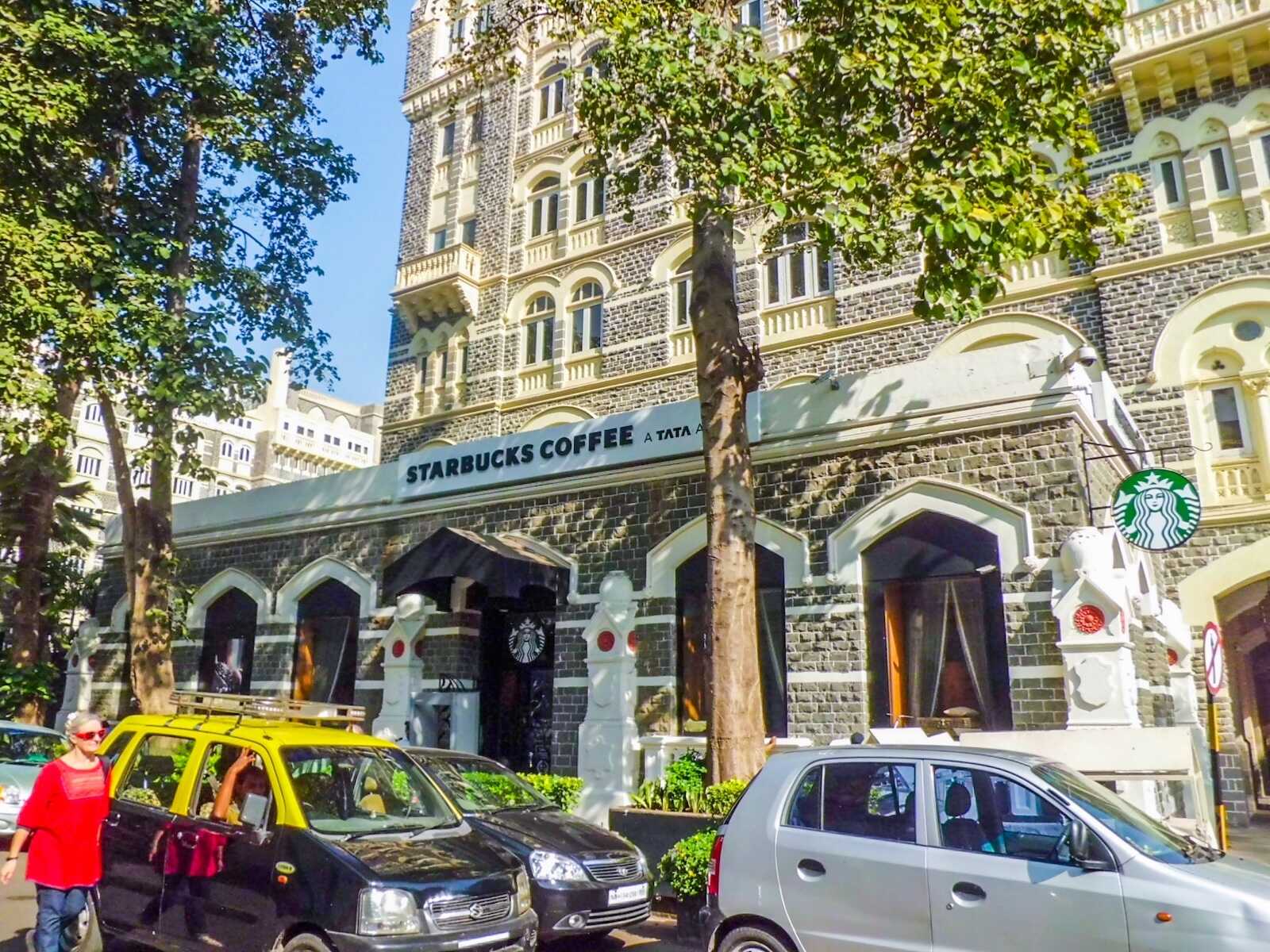
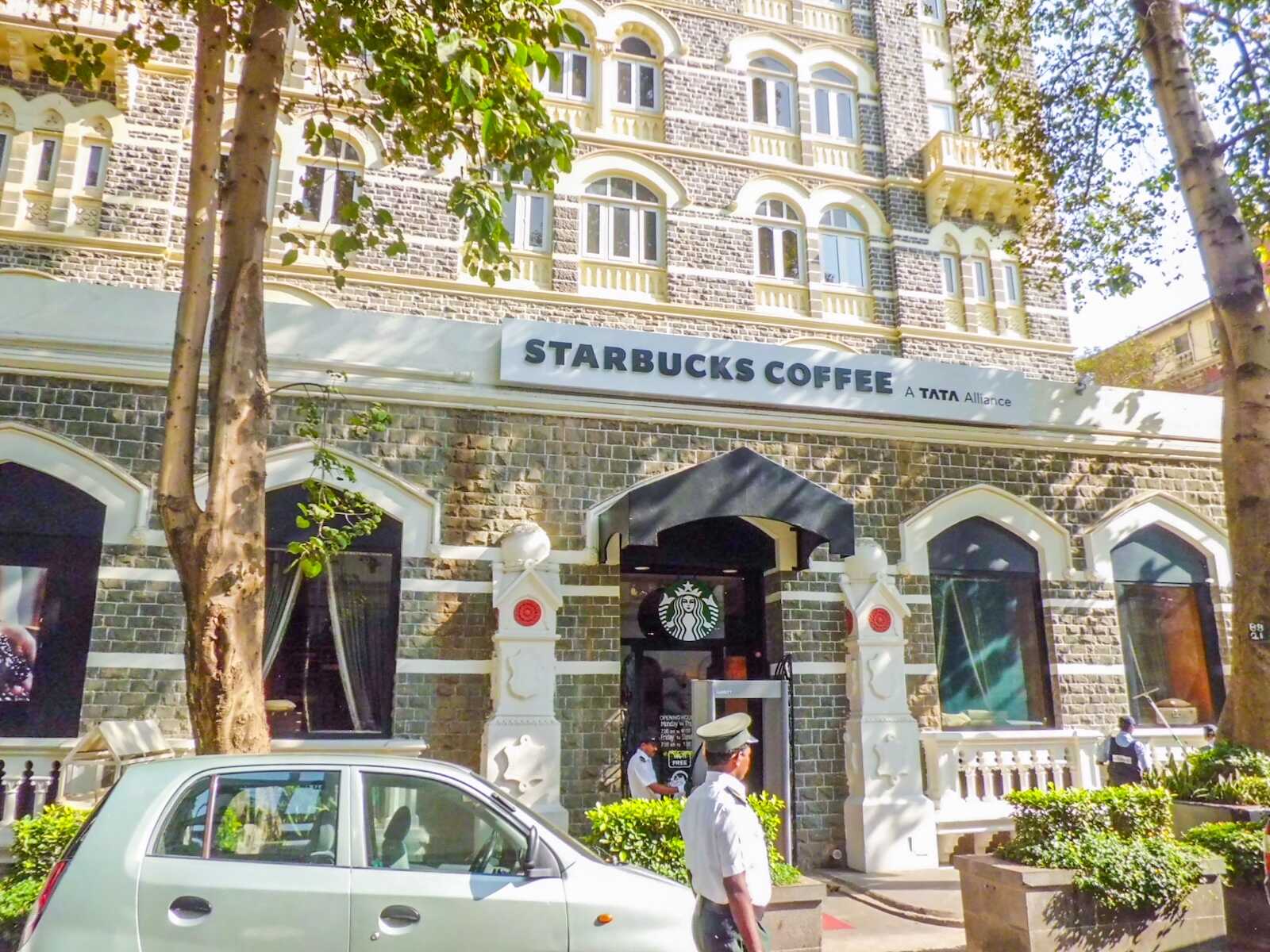
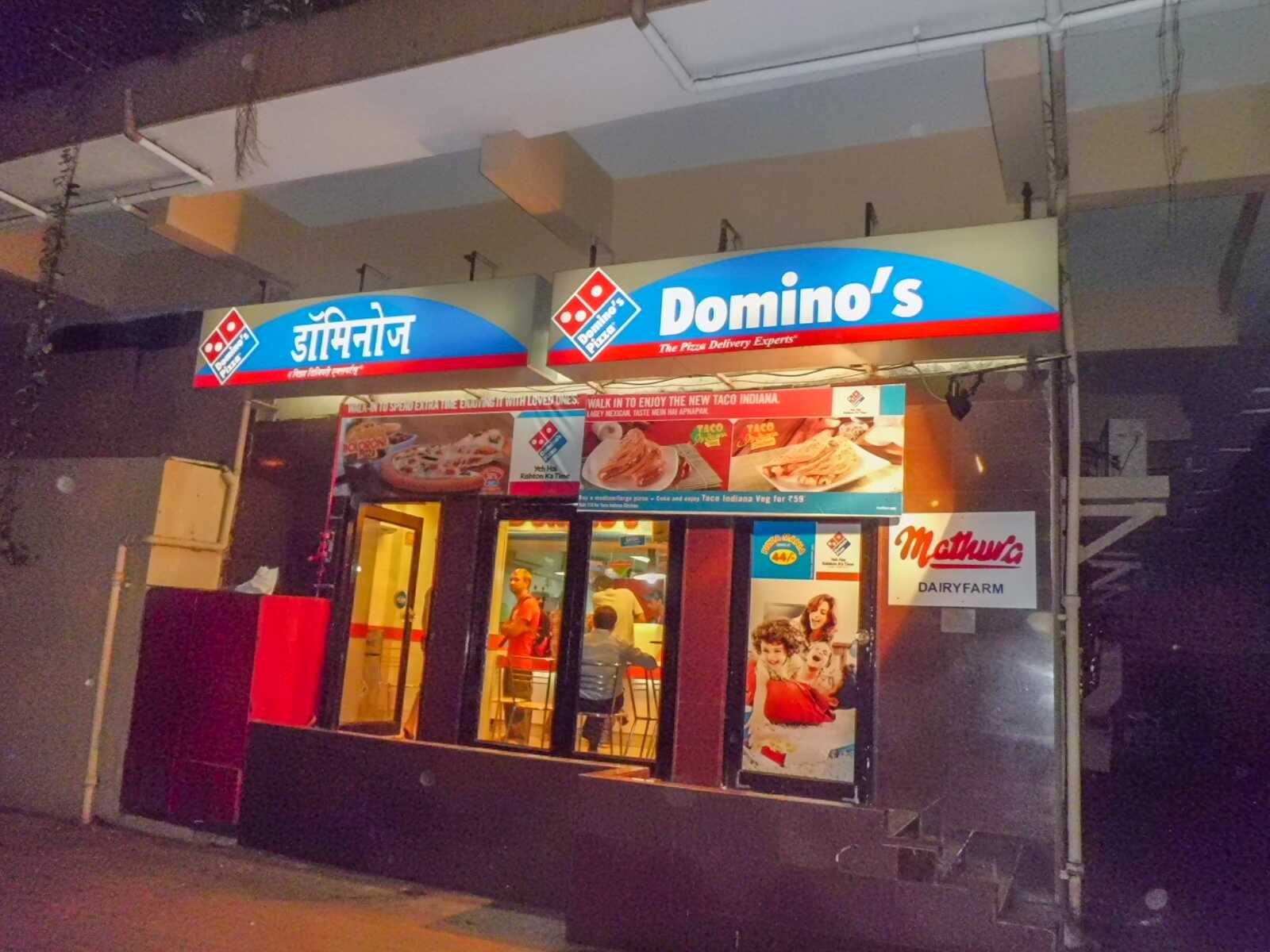
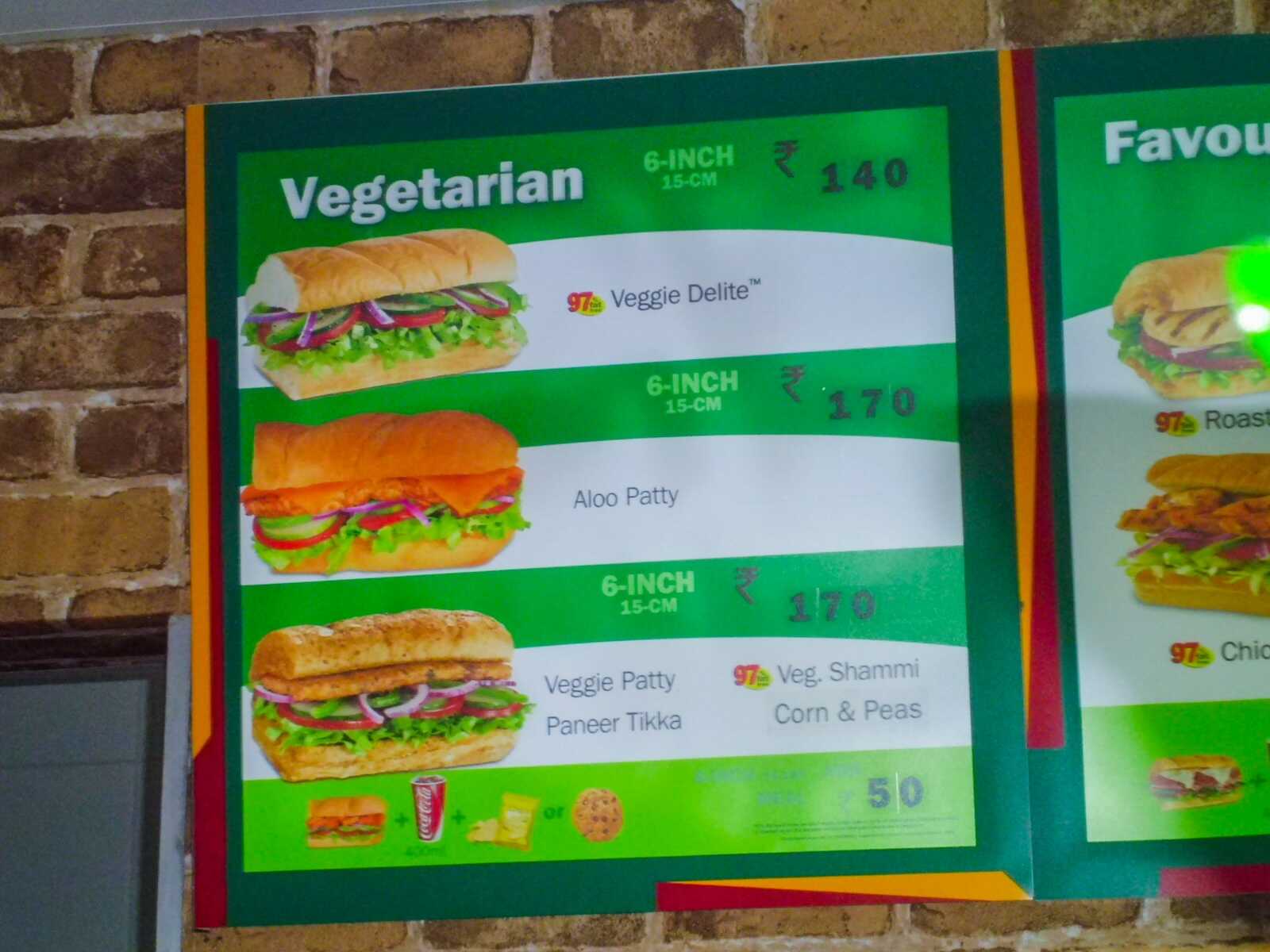
Trying out American chain restaurants in India is a fun experience because they offer unique menu items infused with local flavors. Global brands like McDonald’s, KFC, Domino’s, and Starbucks adapt their menus to cater to Indian tastes, often incorporating spicy, vegetarian, and regional ingredients. For example, McDonald’s India serves McAloo Tikki Burgers, Maharaja Mac (a chicken-based Big Mac), and Spicy Paneer Wraps, while Domino’s offers paneer-topped pizzas and tandoori sauce options. Even Starbucks has exclusive items like Masala Chai Latte and Tandoori Paneer Sandwiches. Exploring these localized versions of familiar brands is a fun way to experience India’s diverse and flavorful food culture with a Western twist!
My Favorite Local Mumbai Restaurants
Khyber
Khyber is an iconic fine-dining restaurant located in Mumbai’s art and heritage district, renowned for its authentic North Indian and Mughlai cuisine. The restaurant’s interior features rustic, Afghan-inspired décor, with walls adorned by paintings from famous Indian artists, creating an ambiance reminiscent of a traditional haveli. Signature dishes include the Reshmi Kebab, a tender chicken marinated in yogurt and mild spices, and the Raan, a slow-cooked whole leg of lamb. Khyber has hosted numerous international celebrities and dignitaries, reflecting its esteemed reputation in Mumbai’s culinary scene.
Cafe Mondegar
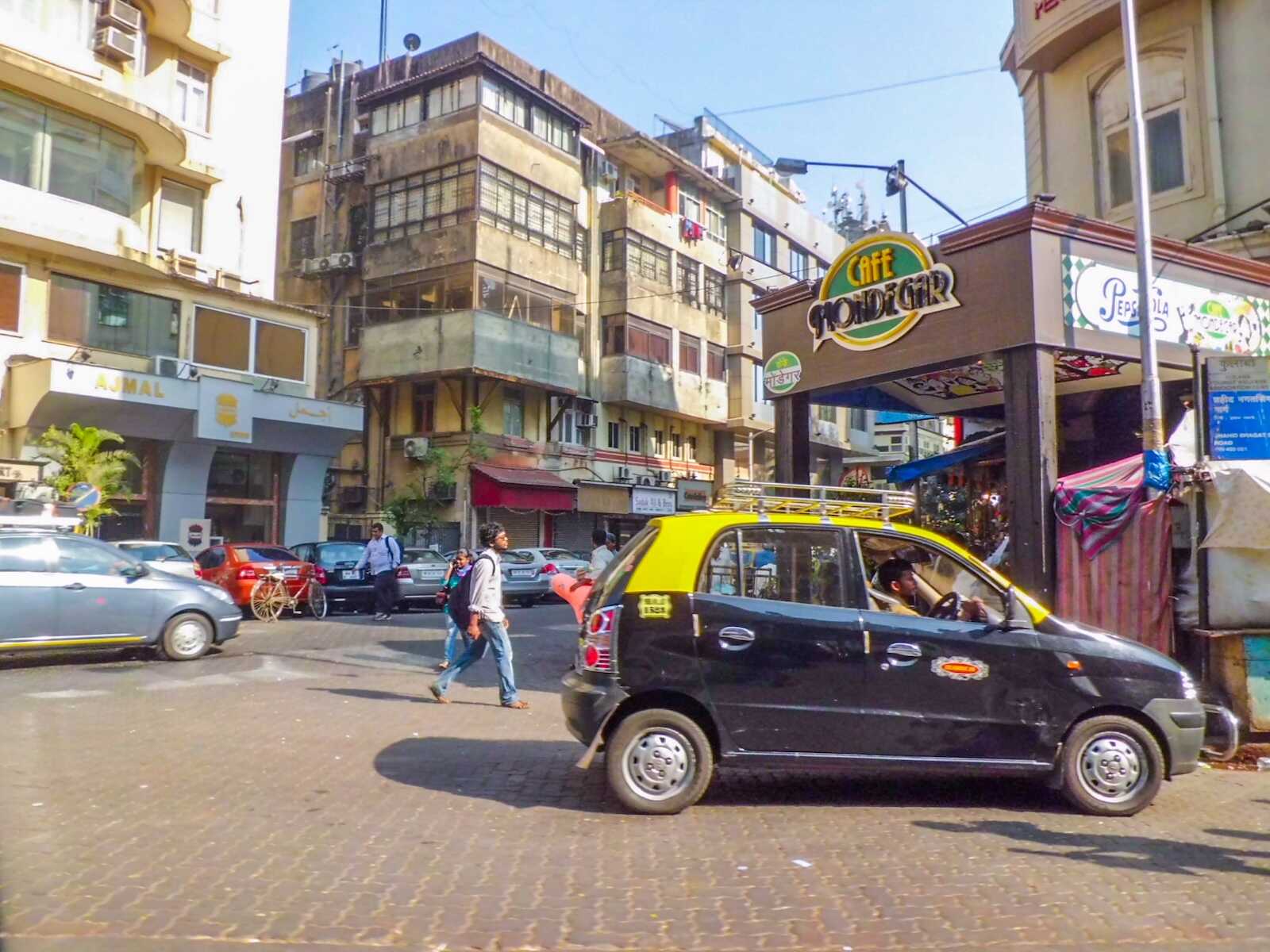
Café Mondegar, affectionately known as “Mondy’s,” is a renowned establishment situated on Colaba Causeway in Mumbai. Established in 1932, it holds the distinction of being one of the city’s oldest Irani cafés. The café is celebrated for its vibrant ambiance, featuring iconic murals by the acclaimed cartoonist Mario Miranda, and for housing Mumbai’s first jukebox. Mondy’s offers a diverse menu that includes Indian and Continental dishes, making it a favored spot among both locals and tourists. Its proximity to the Gateway of India and its lively atmosphere make it a must-visit destination for those seeking to experience Mumbai’s rich café culture.
Places to Get Traditional Indian Chai Tea
If you’re seeking an authentic Indian chai experience in Mumbai, the Taj Mahal Tea House in Bandra is a must-visit. Established in 2015, this tea house offers a serene ambiance, blending traditional and contemporary elements, making it a favorite among tea enthusiasts. They serve a variety of teas, including their signature masala chai, accompanied by live classical music performances.
For a more traditional setting, Mumbai’s iconic Irani cafés are renowned for their authentic chai. These establishments, with their vintage charm, have been serving flavorful tea for decades. Notable mentions include Yazdani Bakery in Fort and Kyani & Co. in Marine Lines.
Additionally, for a local favorite, Prithvi Café in Juhu is celebrated for its cozy atmosphere and delightful chai offerings.
Each of these venues provides a unique chai experience, reflecting Mumbai’s rich tea culture.
Is it Safe to Eat Indian Street Food?
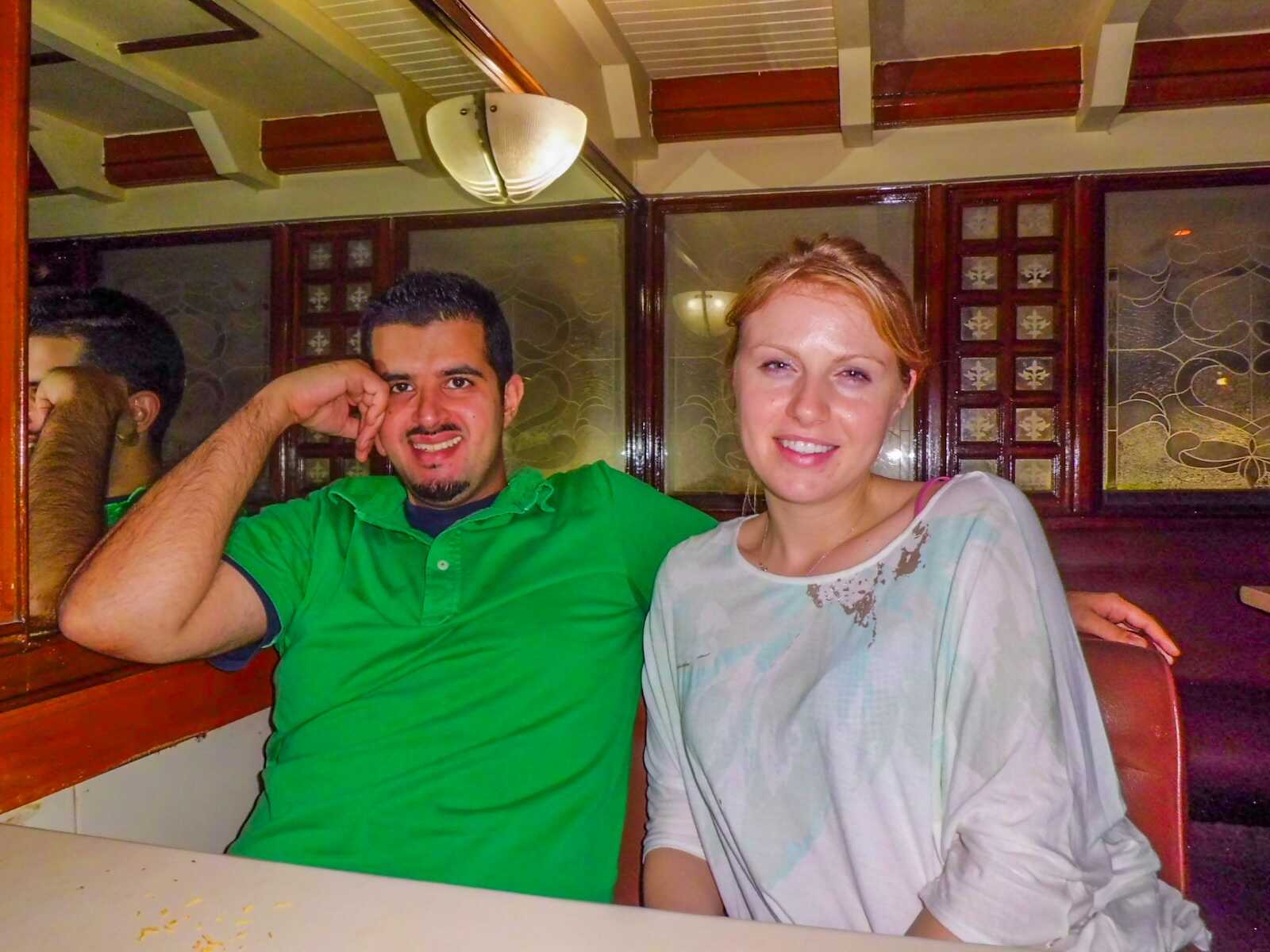
Yes, Indian street food is delicious and a must-try, but you should take some precautions to ensure a safe experience. Street food is a huge part of India’s culinary culture, offering incredible flavors at budget-friendly prices. However, to avoid stomach issues, it’s important to be mindful of hygiene and food safety.
Tips for Eating Street Food Safely in India
- Choose Busy Stalls – If a vendor has a long line of locals, it usually means the food is fresh, popular, and safe.
- Watch How It’s Made – Opt for stalls where the food is cooked fresh in front of you, rather than pre-prepared items sitting in the open.
- Avoid Unfiltered Water & Ice – Always drink bottled or filtered water and avoid ice, which may be made from unfiltered tap water.
- Stick to Cooked Foods – Fried or grilled items like samosas, vada pav, pav bhaji, and kebabs are safer than raw items like cut fruit or salads.
- Go for Hot & Fresh – Foods served piping hot are less likely to cause issues than lukewarm or room-temperature dishes.
- Use Hand Sanitizer or Wash Hands – Hygiene can vary, so clean your hands before eating.
- Be Cautious with Dairy – Lassi, curd, or paneer dishes can be risky if they haven’t been stored properly in the heat.
Top Attractions in Mumbai
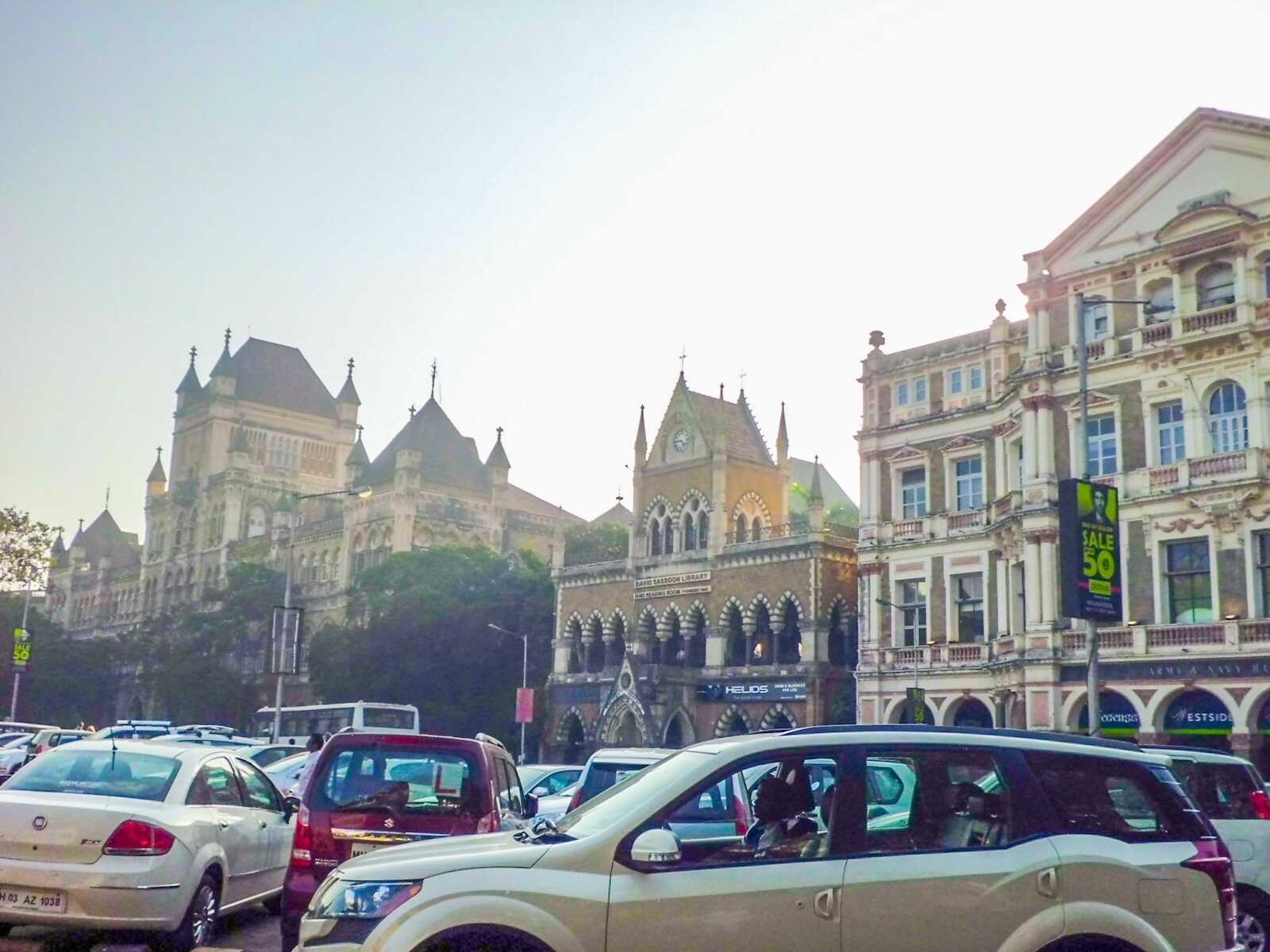
Mumbai, the bustling heart of India, is a city that blends history, culture, and modernity in a captivating way. From iconic landmarks like the Gateway of India to the vibrant street life of Colaba Causeway, every corner of the city has a story to tell. Whether you’re drawn to its heritage, Bollywood glamour, or scenic coastal views, Mumbai offers a diverse range of attractions that promise an unforgettable experience.
Gateway of India
The Gateway of India is one of Mumbai’s most iconic landmarks, standing majestically on the waterfront in Colaba. Built in 1924 to commemorate the visit of King George V and Queen Mary, this grand Indo-Saracenic arch has since become a symbol of the city’s colonial history and architectural beauty. Overlooking the Arabian Sea, it’s a popular spot for tourists, photographers, and locals alike, offering stunning views, ferry rides to Elephanta Caves, and a lively atmosphere filled with street vendors and performers.
Chhatrapati Shivaji Maharaj Terminus
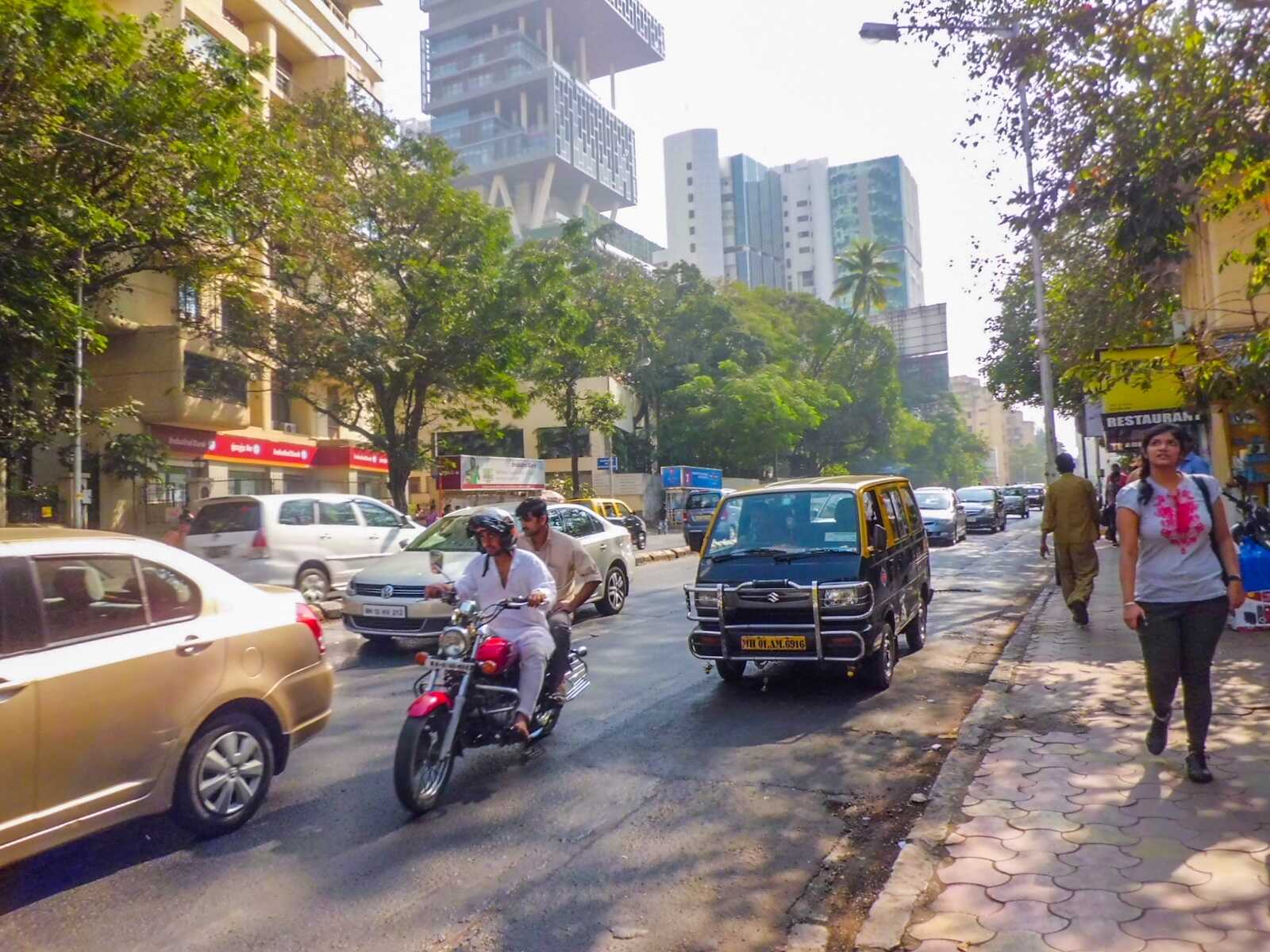
Chhatrapati Shivaji Maharaj Terminus (CSMT) is a UNESCO World Heritage Site and one of Mumbai’s most stunning architectural landmarks. Built in 1887 during the British era, this Victorian Gothic-style railway station features intricate stone carvings, domes, and stained-glass windows, blending Indian and European architectural styles. Originally known as Victoria Terminus (VT), CSMT is not just a historical monument but also a bustling railway hub, connecting millions of commuters daily. Its grandeur, illuminated beautifully at night, makes it a must-visit for history lovers and architecture enthusiasts.
Marine Drive
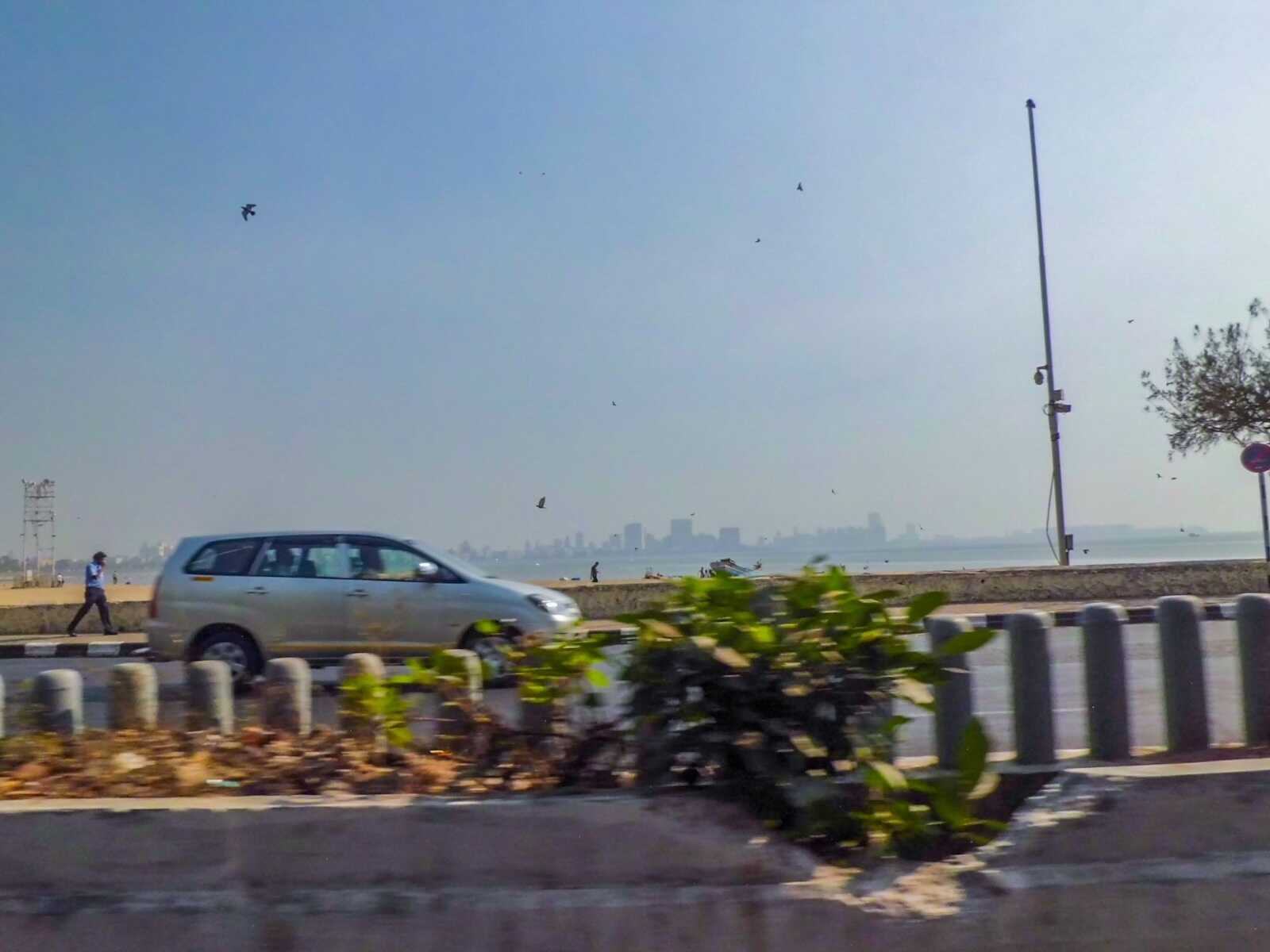
Marine Drive, often called the Queen’s Necklace, is one of Mumbai’s most scenic and iconic waterfront promenades. Stretching 3.6 km along the Arabian Sea, this crescent-shaped boulevard is lined with palm trees and offers breathtaking sunset views. Popular among locals and tourists alike, it’s a perfect spot for evening walks, jogging, or simply relaxing by the sea breeze. At night, the streetlights along the curve resemble a sparkling necklace, giving it its famous nickname. Whether you’re enjoying street food, soaking in the Mumbai skyline, or just unwinding, Marine Drive is a must-visit for a true taste of Mumbai’s charm.
Elephanta Caves
The Elephanta Caves, a UNESCO World Heritage Site, are a fascinating collection of rock-cut temples located on Elephanta Island, about 10 km from Mumbai’s coast. Dating back to the 5th-7th century, these caves are dedicated primarily to Lord Shiva, with the most famous sculpture being the three-headed Trimurti, symbolizing Shiva as the Creator, Preserver, and Destroyer. The island can be reached by a ferry from the Gateway of India, offering a scenic boat ride across the Arabian Sea. Surrounded by lush greenery and ancient history, Elephanta Caves provide a peaceful escape from the city, making them a must-visit for history buffs and culture lovers alike.
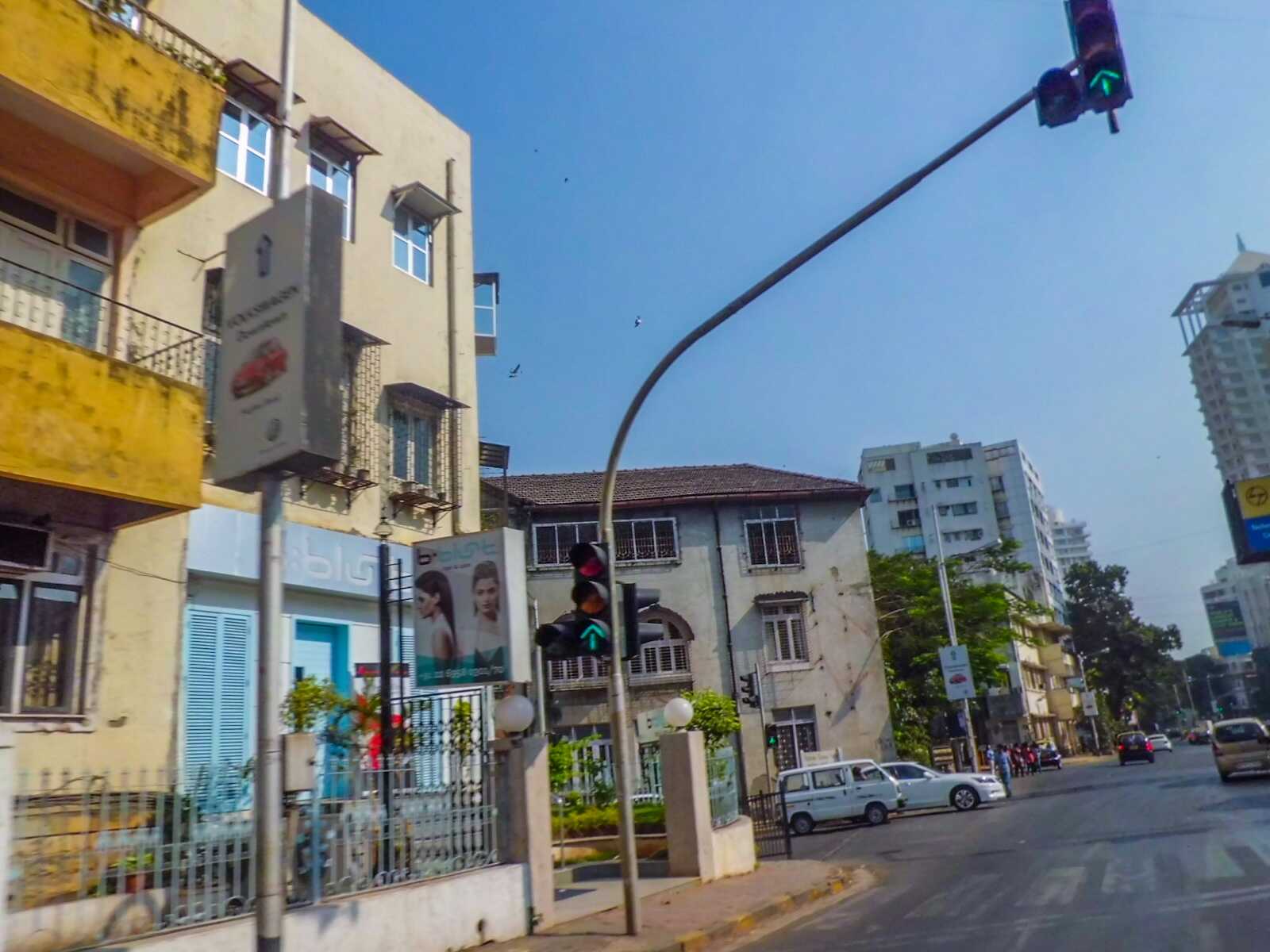
Gopalrao Deshmukh Marg formerly known as Pedder Road
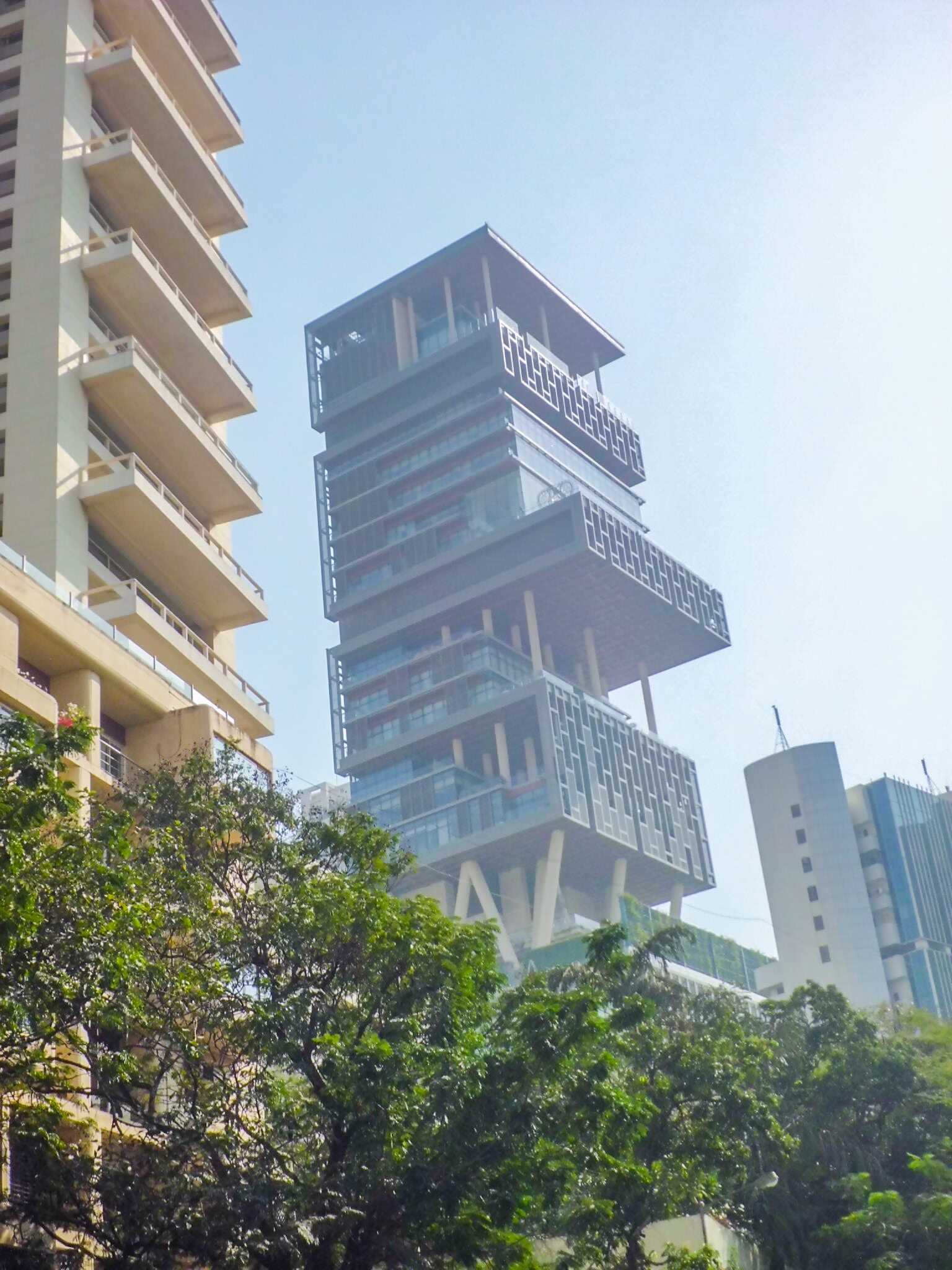
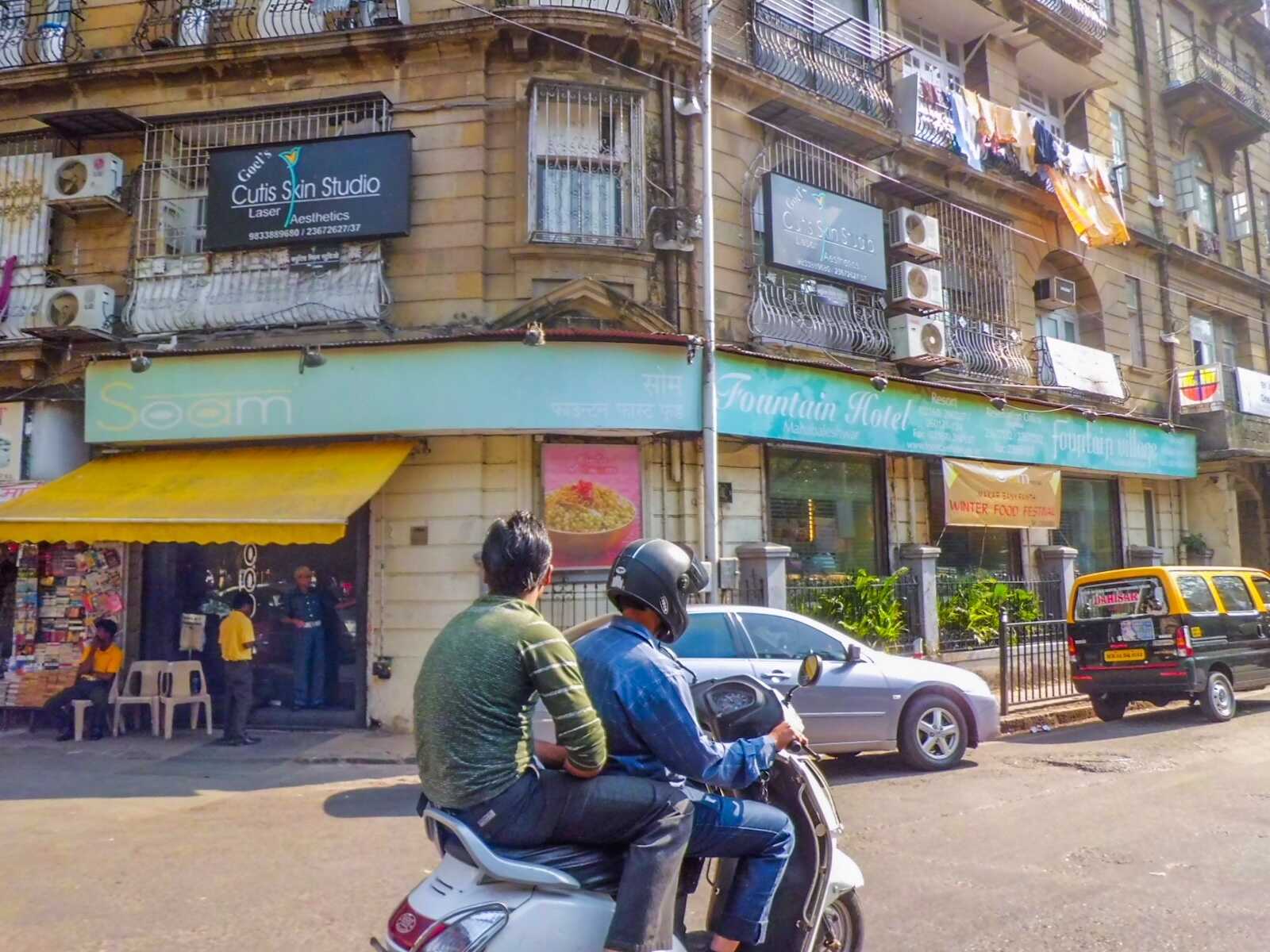
Gopalrao Deshmukh Marg, formerly known as Pedder Road, is one of Mumbai’s most upscale and historically significant streets. Located in South Mumbai, this road is lined with luxury residences, commercial buildings, and iconic landmarks, making it a key part of the city’s elite neighborhood. It was renamed to honor Dr. Gopalrao Deshmukh, a prominent social reformer and administrator. The road connects Haji Ali, Breach Candy, and Malabar Hill, offering scenic views and easy access to major attractions like Jaslok Hospital and Mahalaxmi Temple. Despite its modern charm, Pedder Road retains its old-world elegance, symbolizing Mumbai’s blend of heritage and progress.
Bandra-Worli Sea Link
The Bandra-Worli Sea Link (BWSL), officially known as the Rajiv Gandhi Sea Link, is an engineering marvel that connects Bandra in the suburbs to Worli in South Mumbai. Spanning 5.6 km across the Arabian Sea, this cable-stayed bridge has significantly reduced travel time and offers a smooth, scenic drive over the water. Opened in 2009, the sea link stands as a symbol of modern Mumbai’s infrastructure and development. With its stunning design, especially when illuminated at night, the bridge is a visual spectacle and a favorite for photographers and travelers alike. However, it’s a toll bridge and only allows four-wheelers—pedestrians and two-wheelers are not permitted.
Dhobi Ghat
Dhobi Ghat is Mumbai’s famous open-air laundry, known as the world’s largest outdoor laundromat. Located near Mahalaxmi railway station, this century-old site is where hundreds of dhobis (washermen) wash, dry, and press thousands of clothes daily in a systematic and synchronized manner. Rows of concrete wash pens, filled with soapy water, create a fascinating sight of manual labor and tradition. Dhobi Ghat is a major tourist attraction, offering a glimpse into Mumbai’s hardworking spirit and unique cultural heritage. Visitors can get the best view from the Mahalaxmi Bridge, where the scale and efficiency of this historic laundry come to life.
Sanjay Gandhi National Park
Sanjay Gandhi National Park (SGNP) is a lush green oasis in the heart of Mumbai, offering a refreshing escape from the city’s hustle and bustle. Spanning over 100 square kilometers, it is one of the few national parks located within a major city, home to diverse wildlife, including leopards, deer, monkeys, and over 250 bird species.
One of its biggest attractions is the Kanheri Caves, a series of ancient Buddhist rock-cut caves dating back to the 1st century BCE. The park is popular for trekking, cycling, nature walks, and jungle safaris, making it a perfect destination for adventure lovers and nature enthusiasts. Whether you’re seeking tranquility, history, or a wildlife experience, SGNP is a must-visit for anyone exploring Mumbai.
Historic South Mumbai
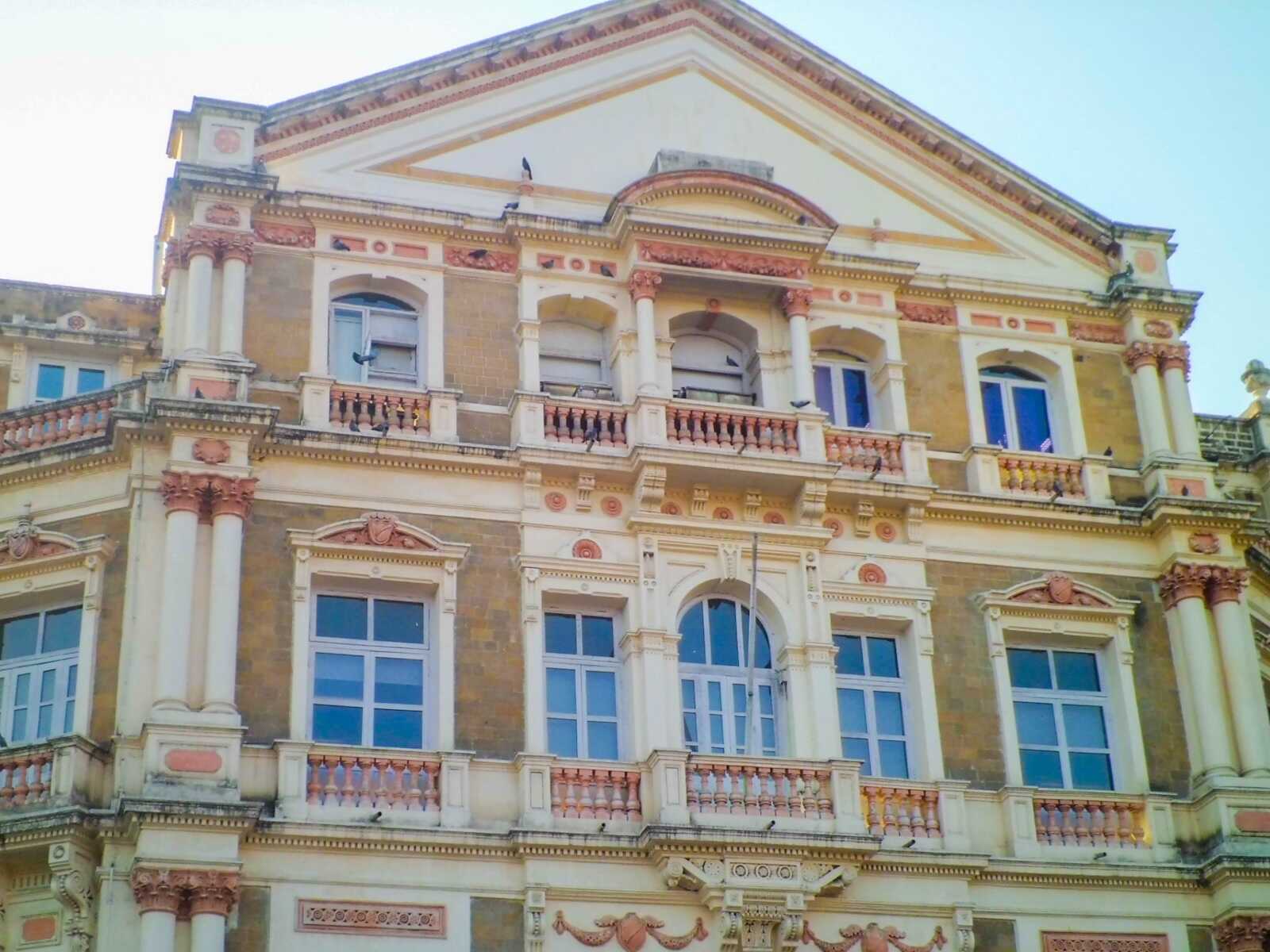
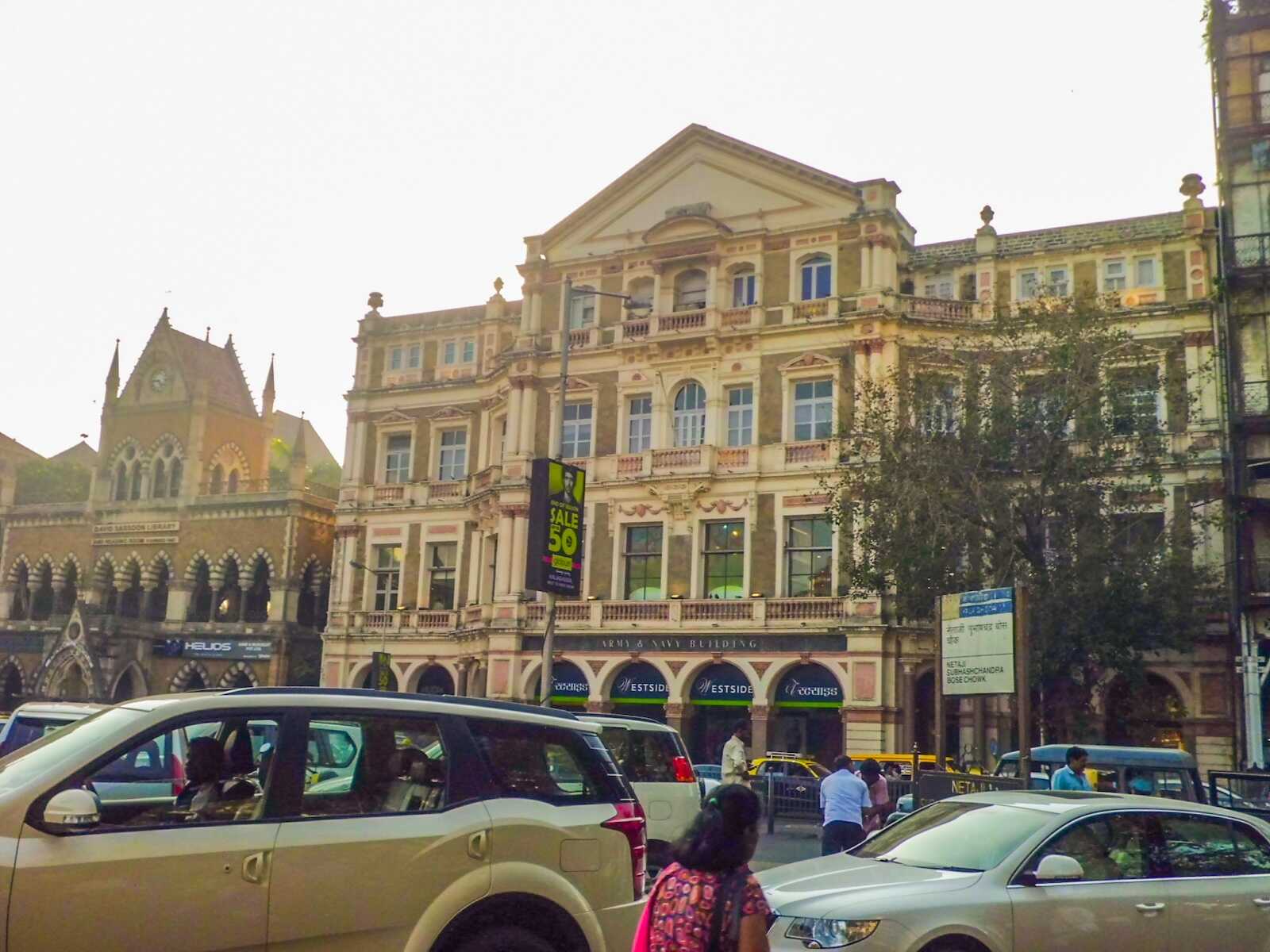
Historic South Mumbai is the heart of the city, showcasing a blend of colonial-era architecture, cultural landmarks, and bustling marketplaces. As one of Mumbai’s oldest and most iconic districts, it is home to heritage sites, financial hubs, and vibrant street life. Landmarks like the Gateway of India, Chhatrapati Shivaji Maharaj Terminus (CSMT), and the Bombay High Court reflect the city’s British-era grandeur, while Kala Ghoda and Colaba Causeway offer a mix of art, shopping, and café culture.
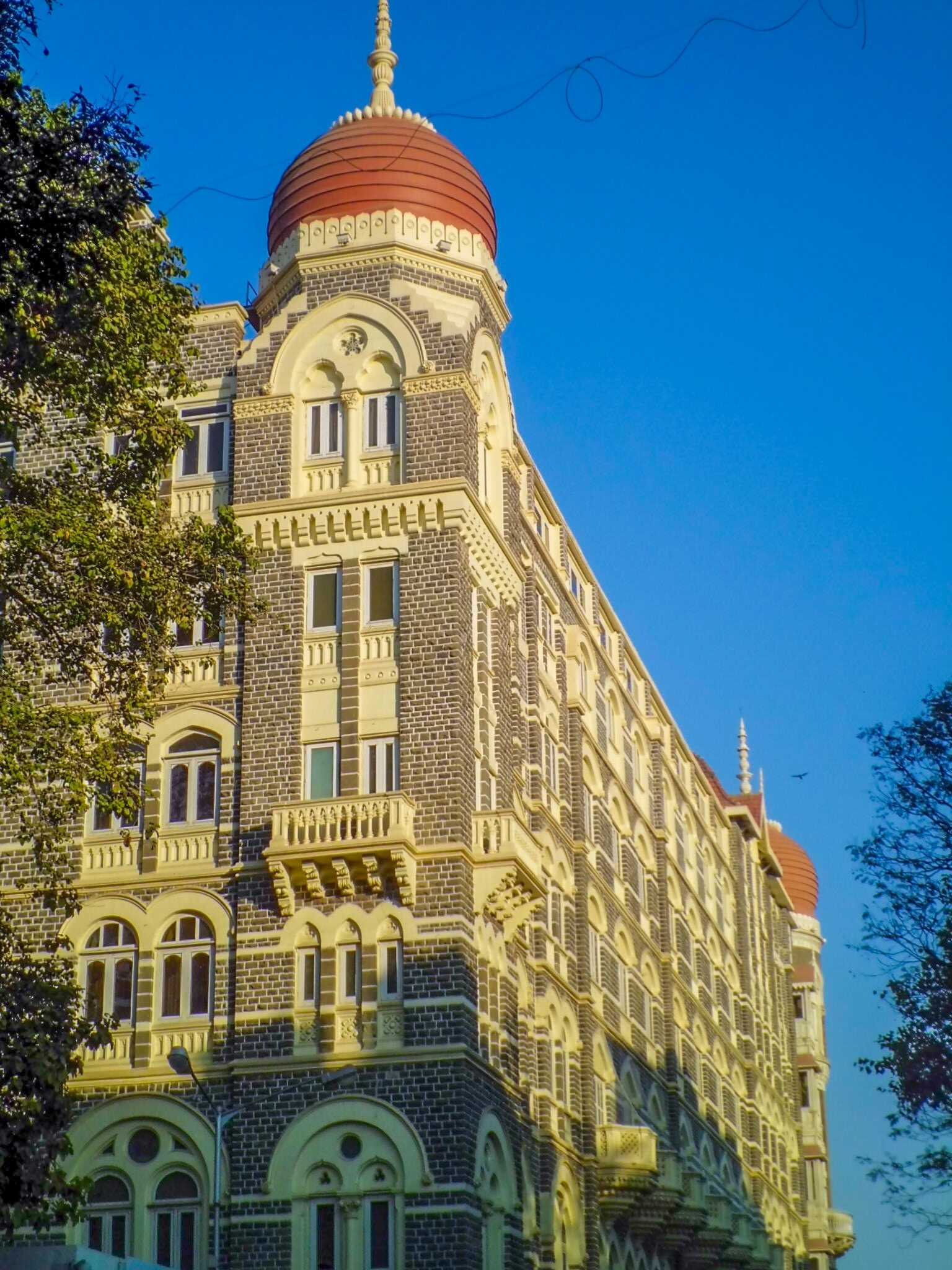
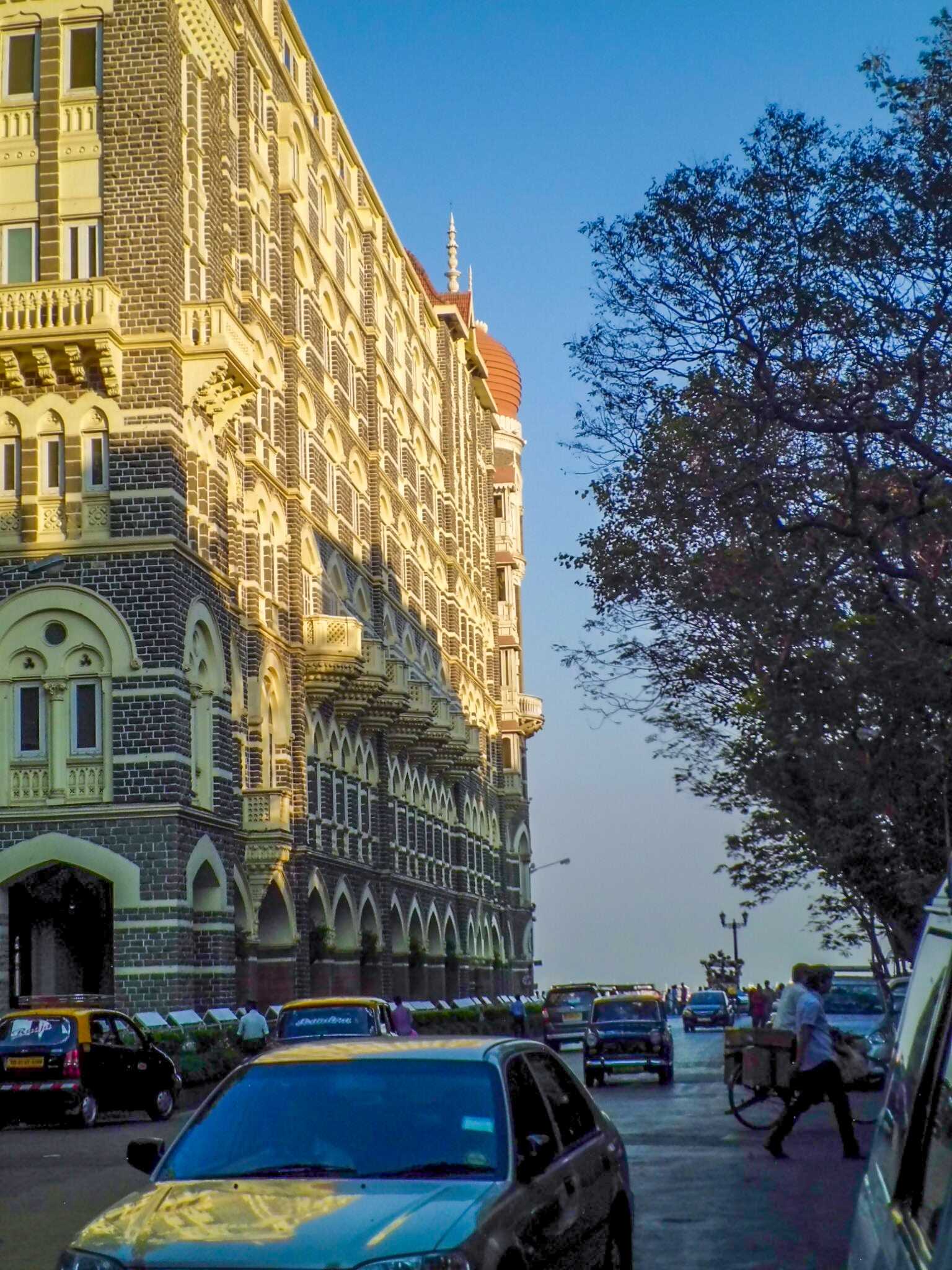
Walking through Marine Drive, Fort, and Ballard Estate reveals a striking contrast between Mumbai’s historic charm and its modern skyscrapers. Whether exploring museums, historic hotels like the Taj Mahal Palace, or age-old markets like Crawford Market, South Mumbai is a cultural and architectural treasure trove that brings the city’s rich history to life.
Chowpatty Beach
Chowpatty Beach, located in South Mumbai, is one of the city’s most famous and lively waterfronts, offering a mix of local culture, street food, and seaside relaxation. It is a popular spot for both locals and tourists to unwind, especially in the evenings when families, couples, and street performers create a vibrant atmosphere.
What to Expect at Chowpatty Beach
- Street Food Paradise – The beach is famous for Mumbai’s best chaat (Bhel Puri, Pani Puri, Pav Bhaji), served by local vendors.
- Festive Celebrations – During Ganesh Chaturthi, thousands gather here to witness grand idol immersions into the Arabian Sea.
- Leisure & Views – Enjoy beautiful sunsets, camel and horse rides, and a stunning view of Marine Drive’s Queen’s Necklace at night.
- Nearby Attractions – Located close to Marine Drive, Girgaon, and Malabar Hill, making it a great stop while exploring the city.
While swimming isn’t recommended due to water pollution, Chowpatty Beach is an excellent place to soak in Mumbai’s lively spirit, enjoy delicious snacks, and experience the city’s bustling seaside charm.
Chhatrapati Shivaji Maharaj Vastu Sangrahalaya
The Chhatrapati Shivaji Maharaj Vastu Sangrahalaya (CSMVS), formerly known as the Prince of Wales Museum, is Mumbai’s premier museum, showcasing India’s rich history, art, and culture. Located in South Mumbai’s Fort area, the museum is housed in a stunning Indo-Saracenic style building, surrounded by lush gardens, making it an architectural masterpiece as well as a cultural treasure trove.
What to See at CSMVS
- Ancient Indian Artifacts – Sculptures, coins, and textiles from different Indian dynasties.
- Miniature Paintings & Decorative Arts – A vast collection of Mughal, Rajasthani, and Deccan miniatures.
- Indo-European Architecture – The grand domed building is a visual treat, designed in the early 20th century.
- Maritime & Natural History Sections – Exhibits on Mumbai’s maritime past, fossils, and wildlife.
- Special Exhibitions & Workshops – The museum frequently hosts interactive displays and cultural programs.
Shopping Destinations in Mumbai
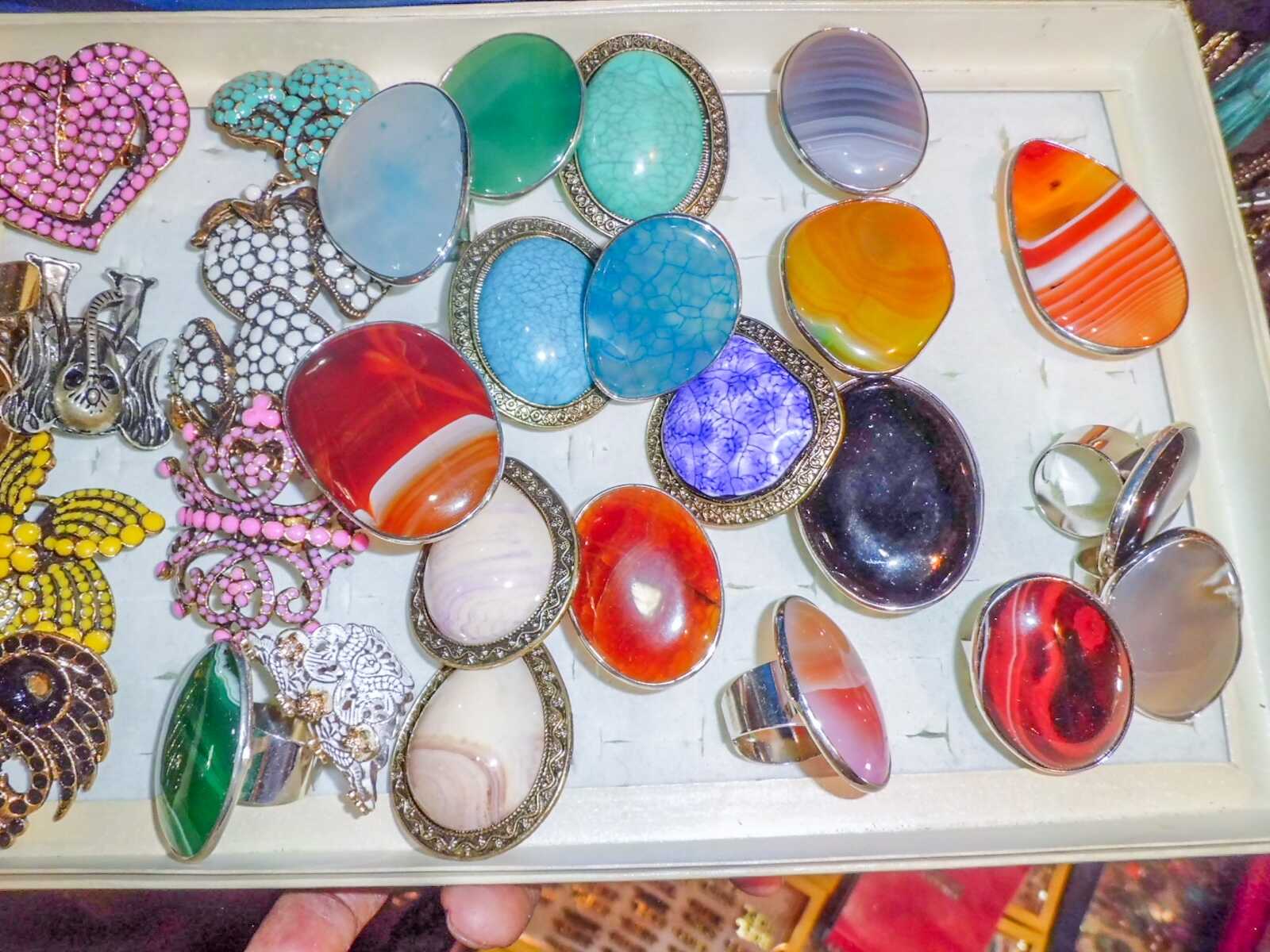
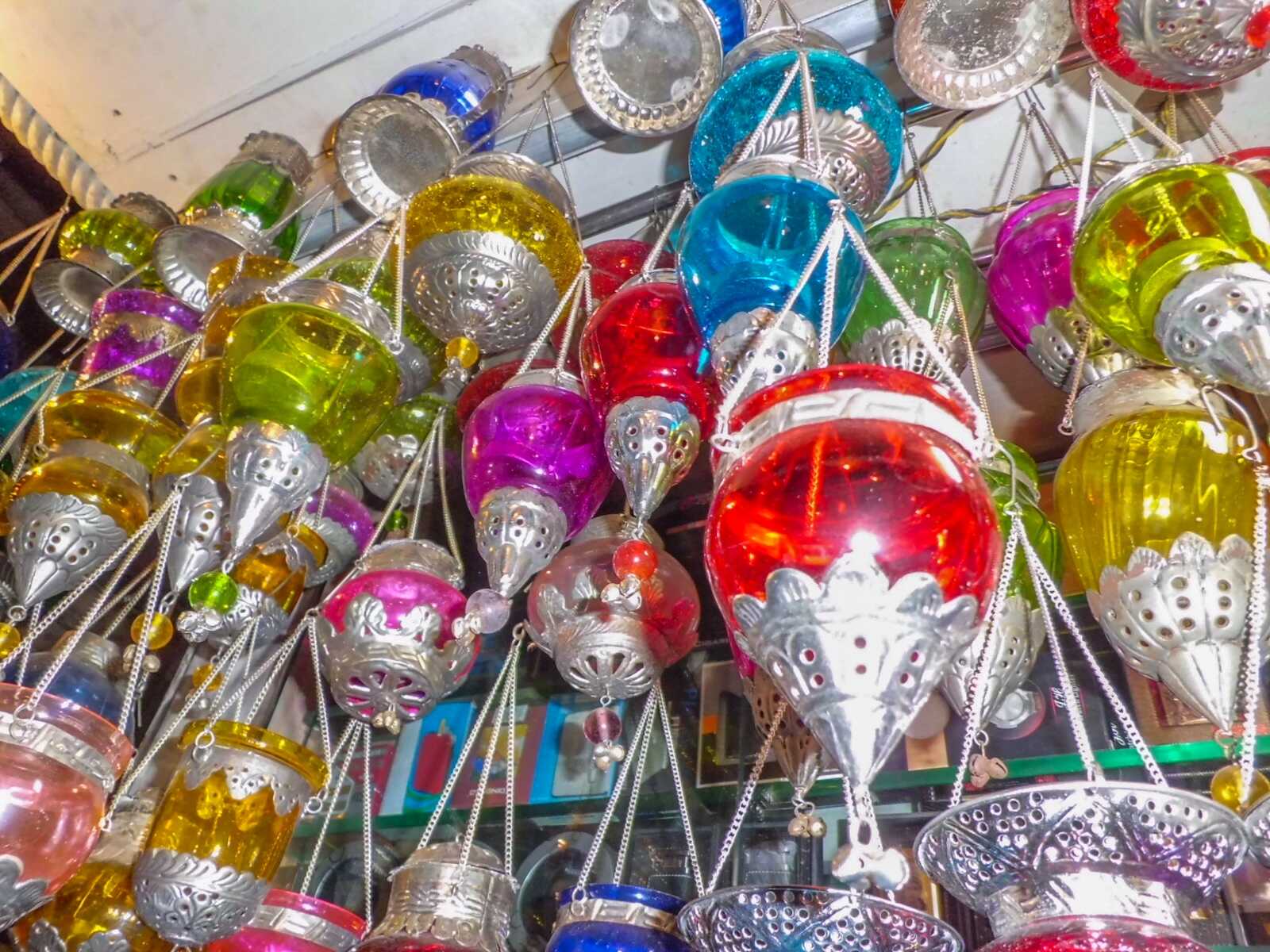
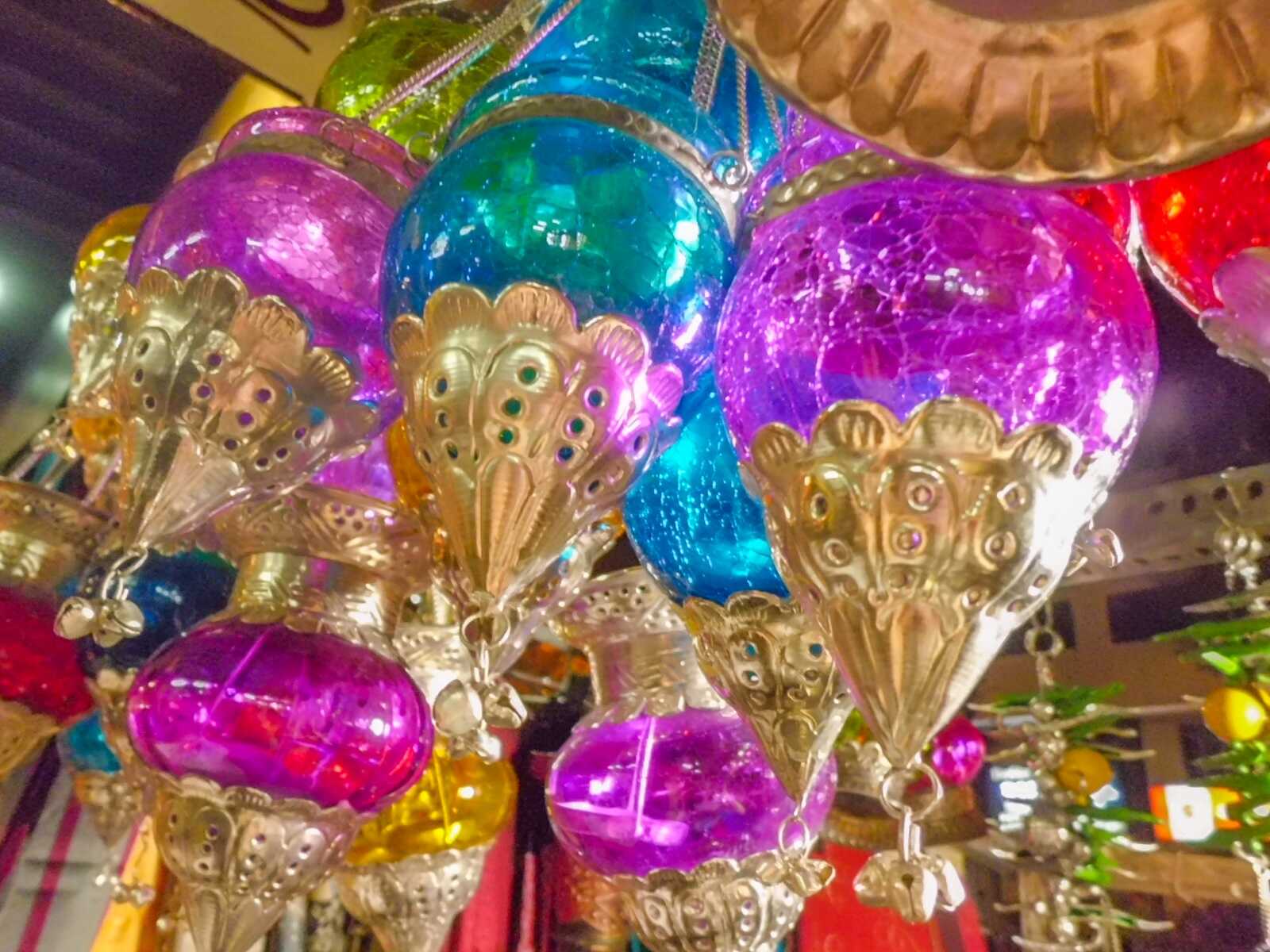
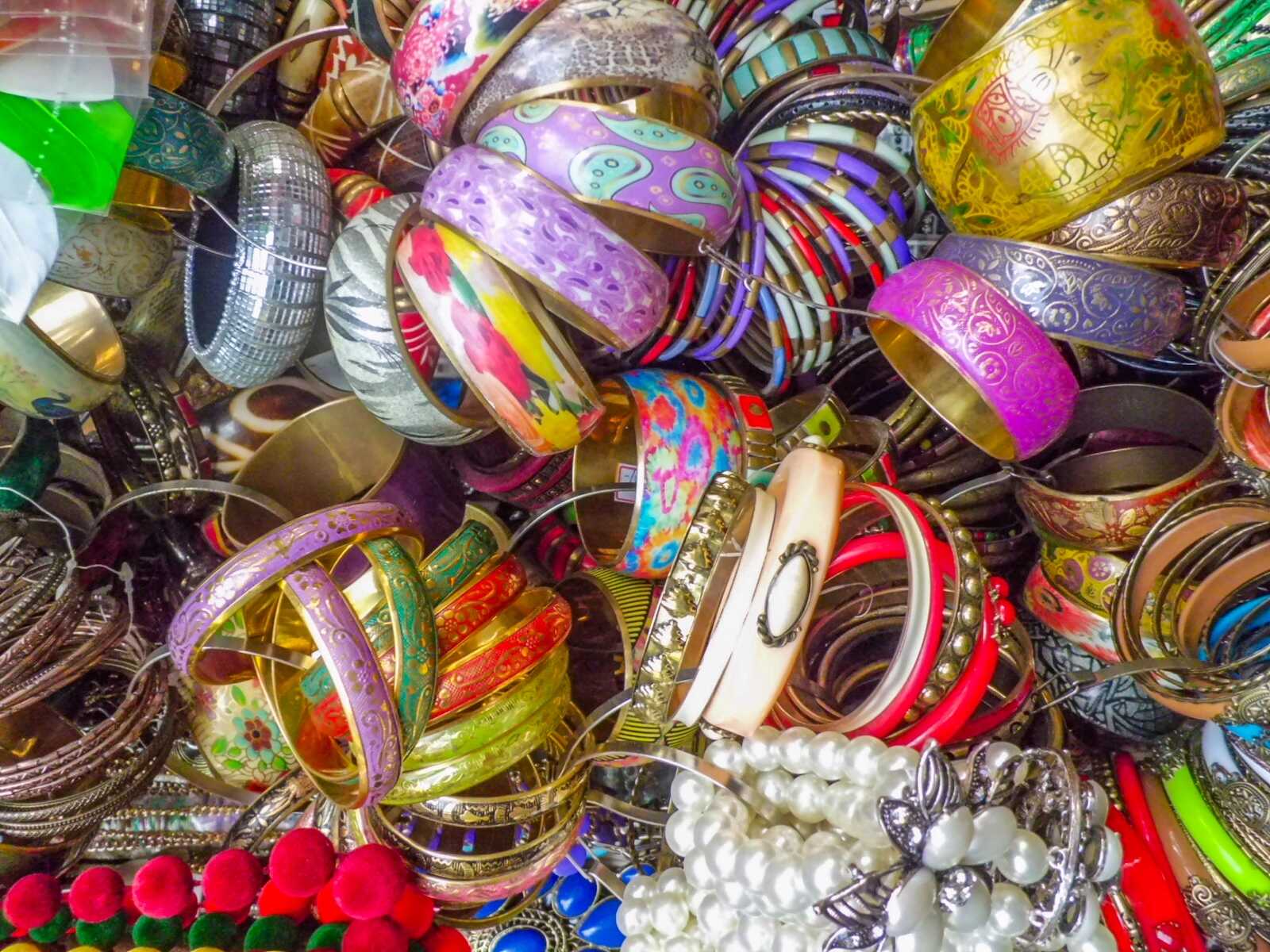
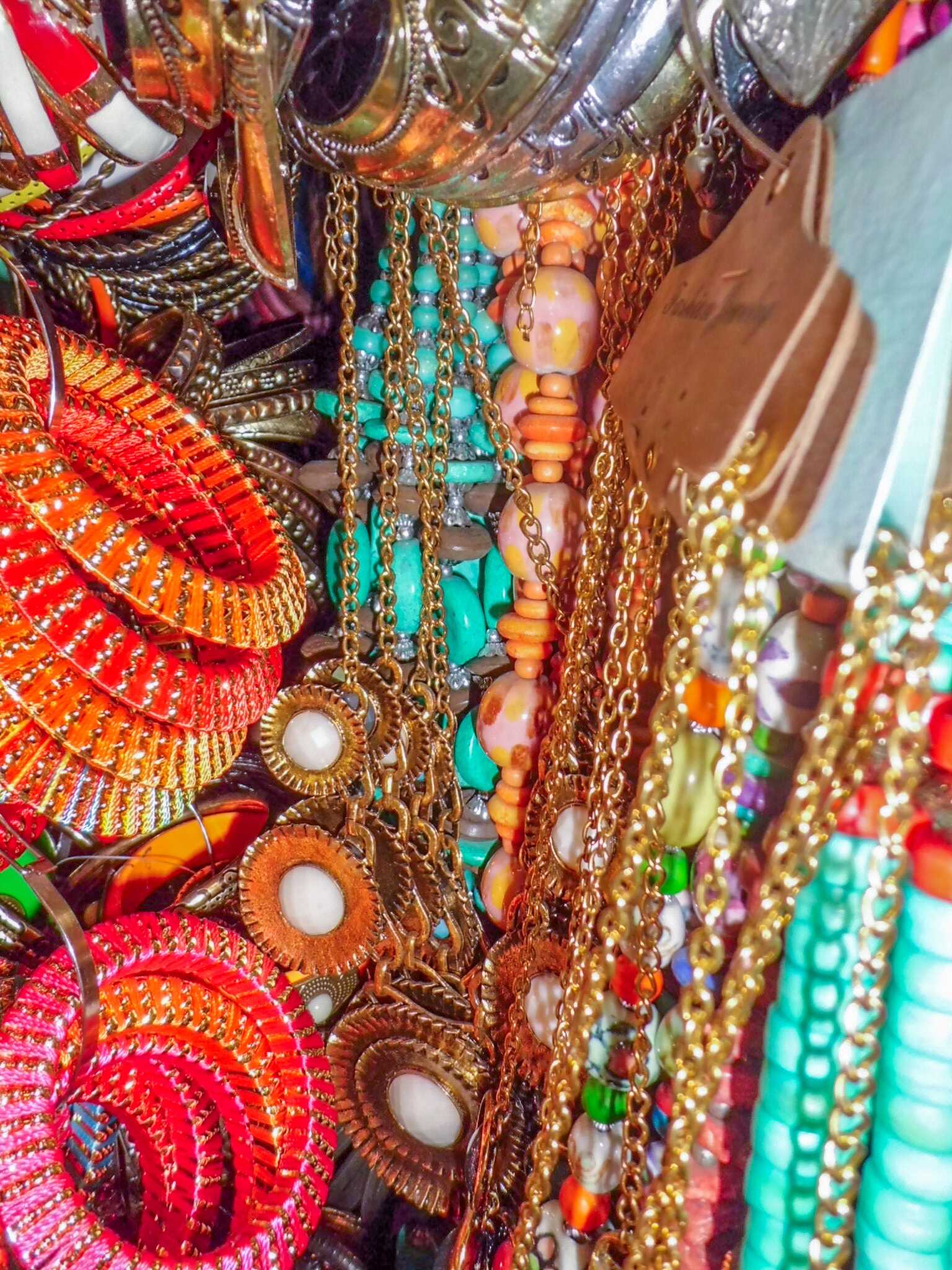
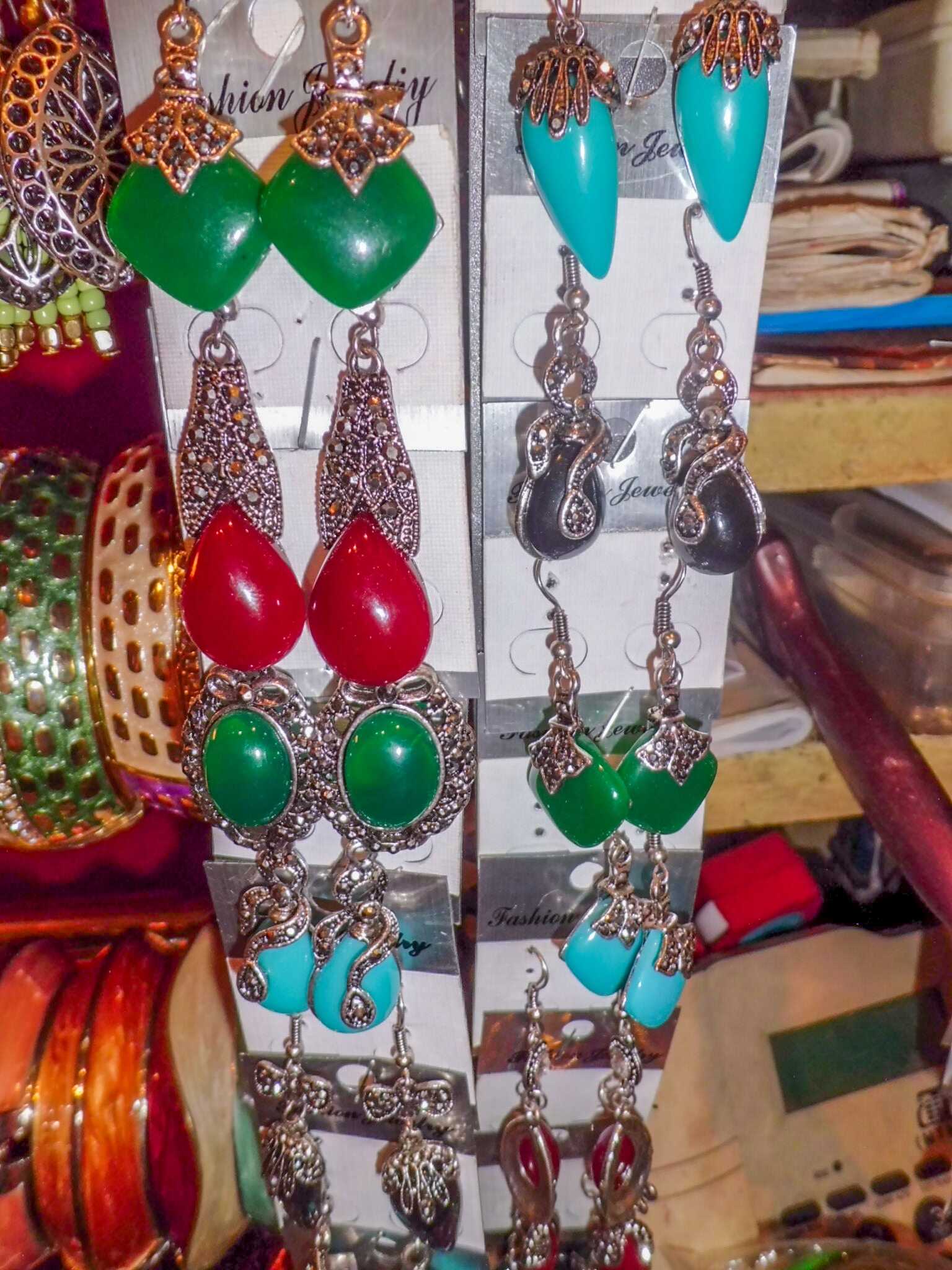
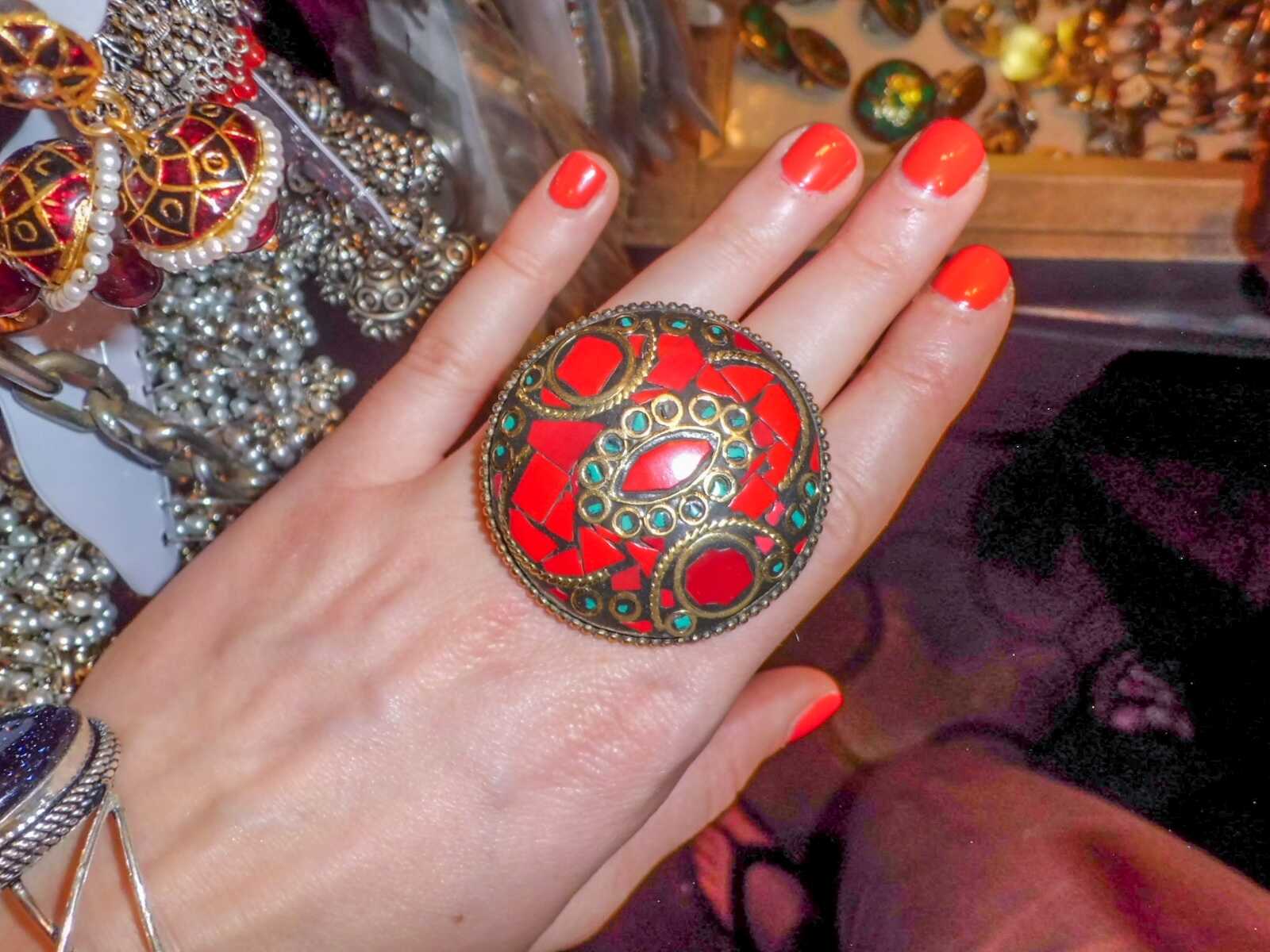
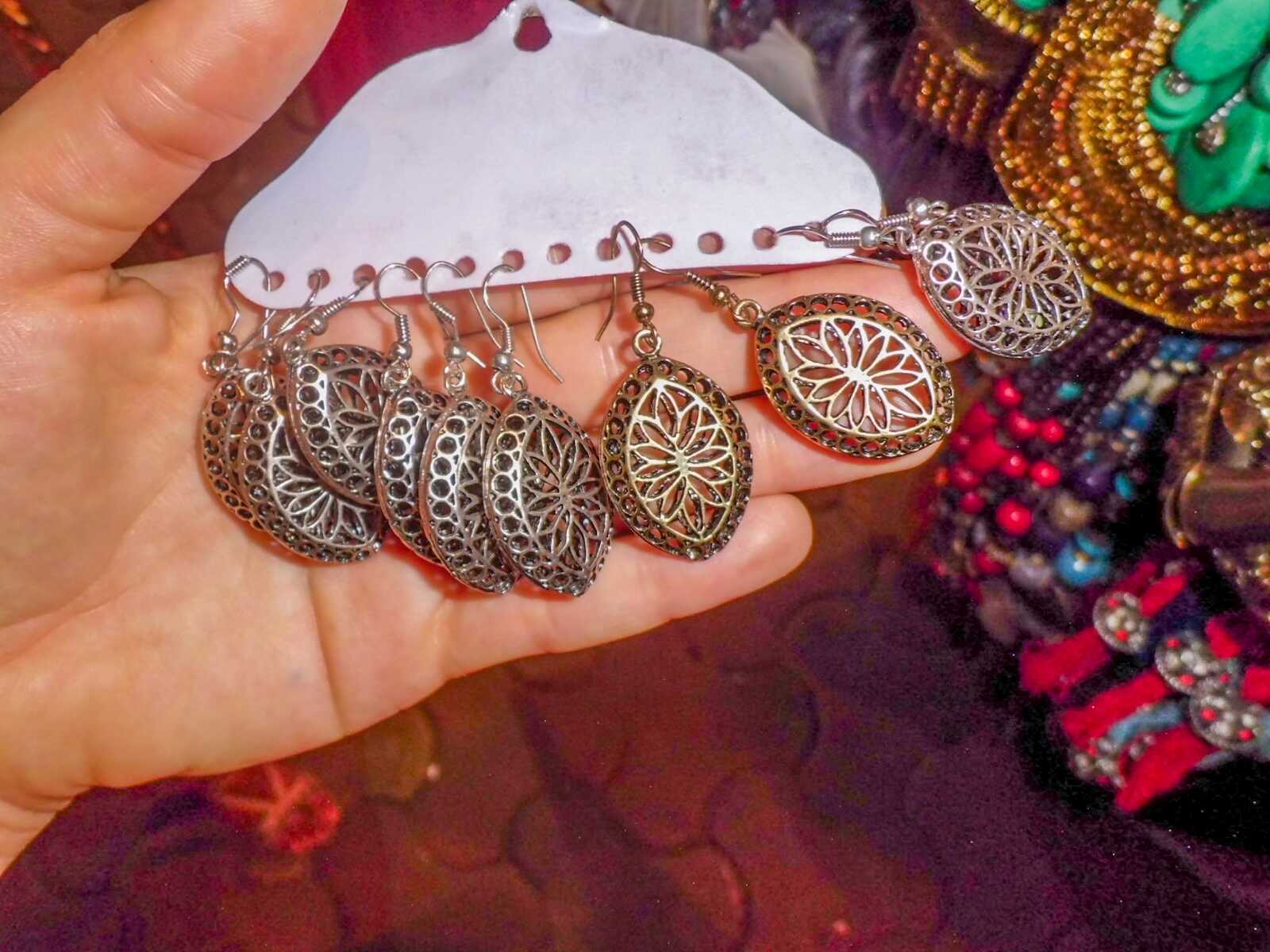
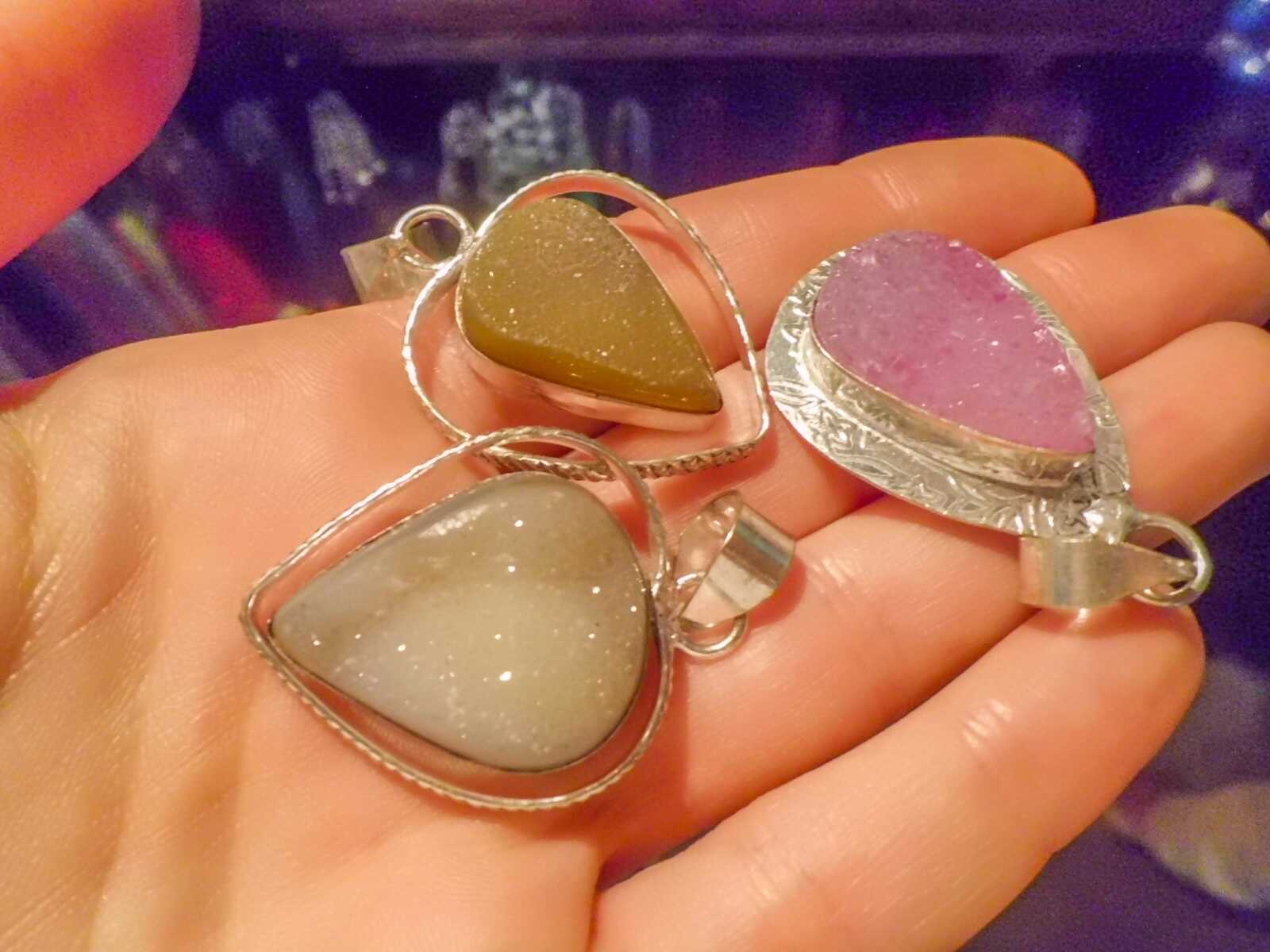
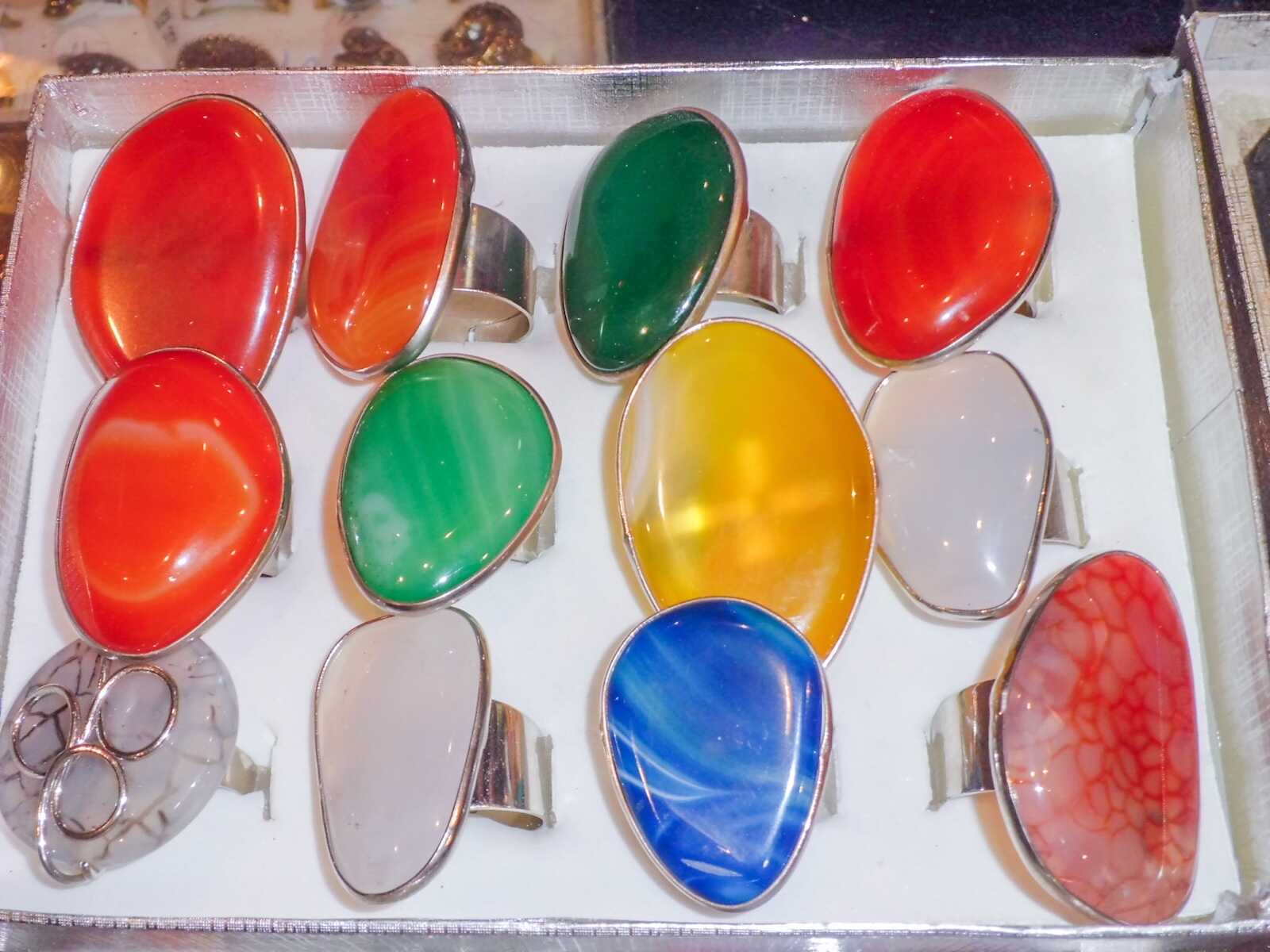
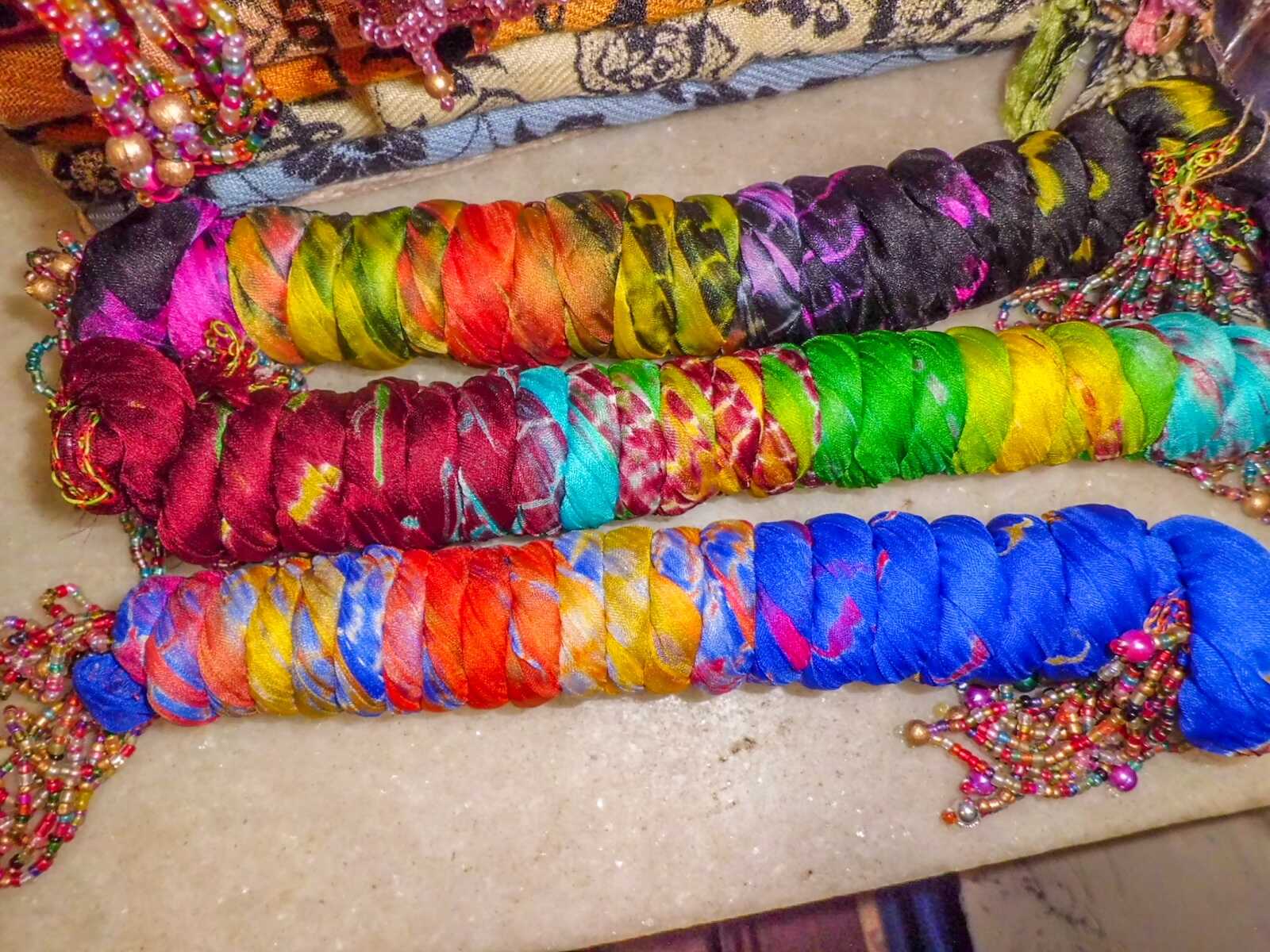
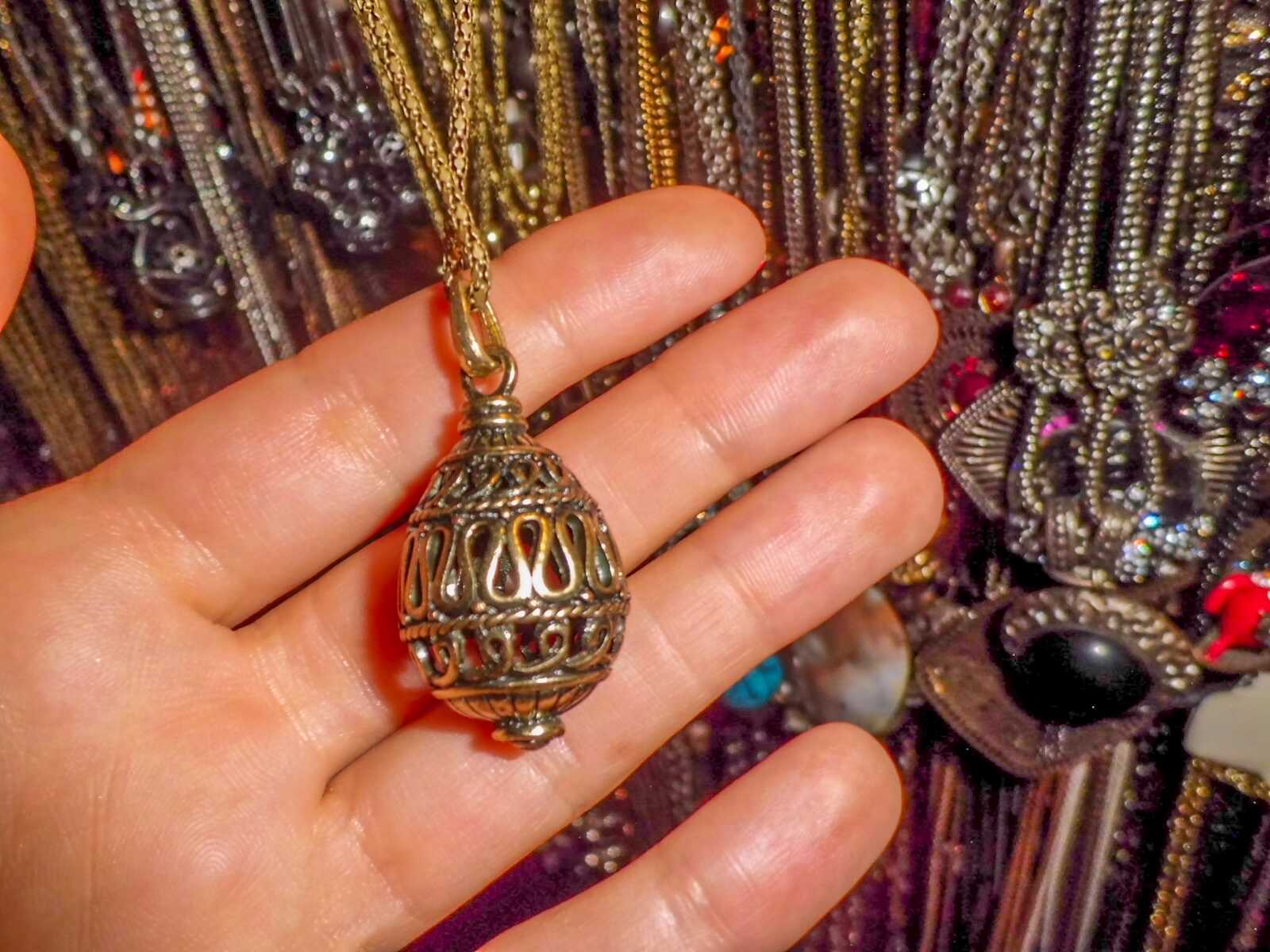
Shopping in Mumbai is an exciting experience, offering everything from luxury brands to budget-friendly street markets. With the U.S. dollar being strong against the Indian rupee, American tourists can find great deals on clothing, jewelry, handicrafts, and souvenirs. Whether you’re exploring high-end malls like Palladium and Phoenix Marketcity, or bargain-hunting at bustling markets like Colaba Causeway and Linking Road, Mumbai caters to every shopper’s taste and budget. From designer labels to locally handcrafted treasures, the city’s diverse shopping destinations make it a paradise for visitors looking for unique finds at affordable prices.
Chor Bazaar
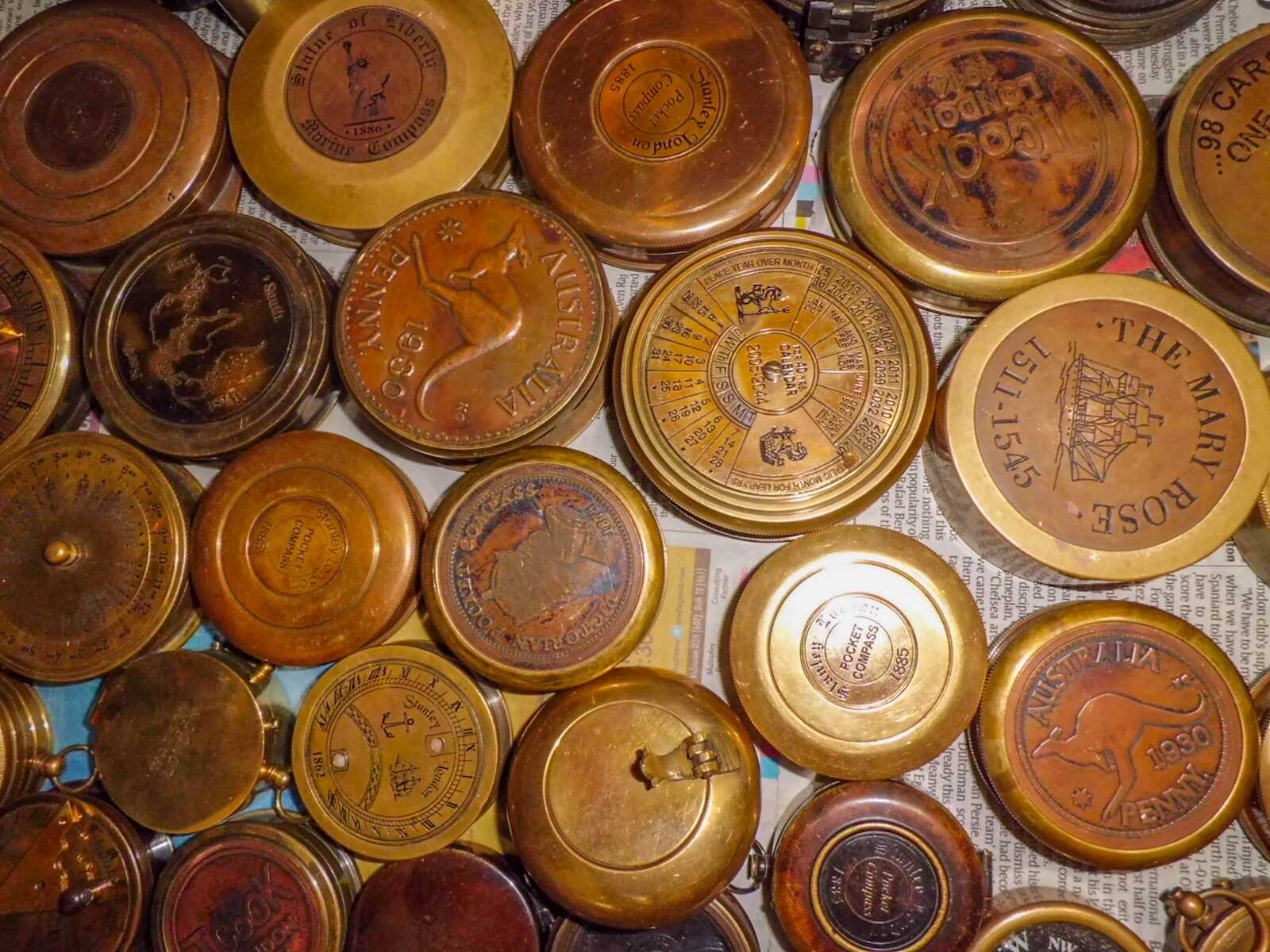
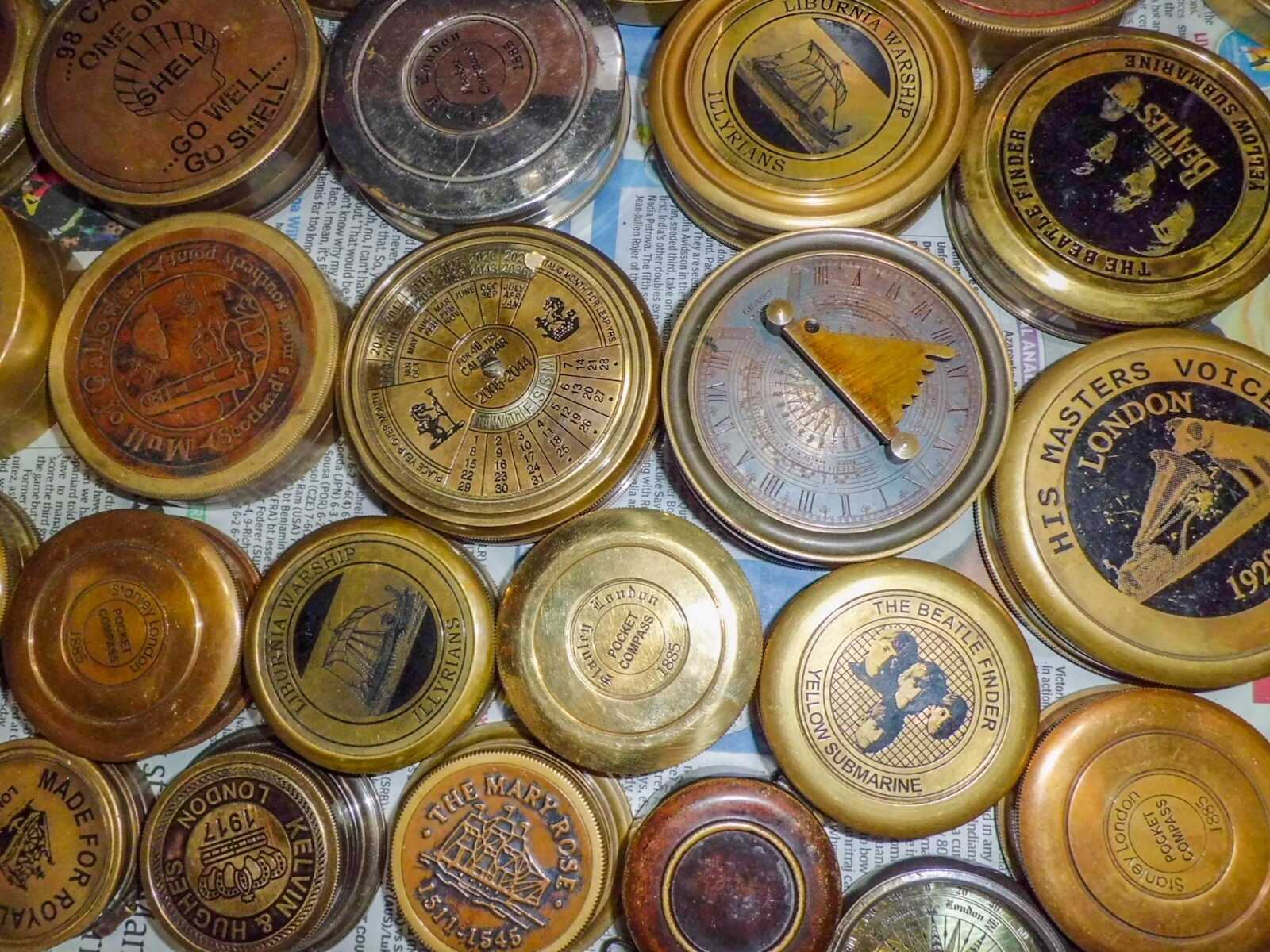
Chor Bazaar, one of Mumbai’s oldest and most famous flea markets, is a treasure trove for antique lovers and bargain hunters. Located in South Mumbai’s Bhendi Bazaar, this bustling market is known for its vintage artifacts, Bollywood memorabilia, old coins, furniture, and unique collectibles. The name “Chor Bazaar” translates to “Thieves’ Market,” originating from legends that stolen goods often found their way here—though today, it’s more about rare finds than stolen items. Visitors can explore lanes filled with retro film posters, brassware, vintage cameras, and handcrafted décor at prices far lower than mainstream stores. Bargaining is expected, and those with good negotiation skills can walk away with amazing deals. Whether you’re looking for quirky souvenirs or historical relics, Chor Bazaar is a must-visit for travelers wanting a taste of Mumbai’s vibrant street shopping culture.
Gaurav Gupta
Gaurav Gupta, a renowned Indian fashion designer celebrated for his avant-garde and contemporary designs, has a prominent presence in Mumbai. His flagship boutique is situated in the artistic Kala Ghoda district at 97/99, Sanwa House, Mumbai Samachar Marg, opposite Bharath House, Fort, Mumbai, Maharashtra 400001.
Spanning three floors and covering 5,500 square feet, the boutique offers haute couture, demi-couture, luxury prêt-à-porter, and menswear collections. The interior design reflects Gupta’s surrealistic aesthetic, featuring geometric intersections that change with light and material.
Colaba Causeway
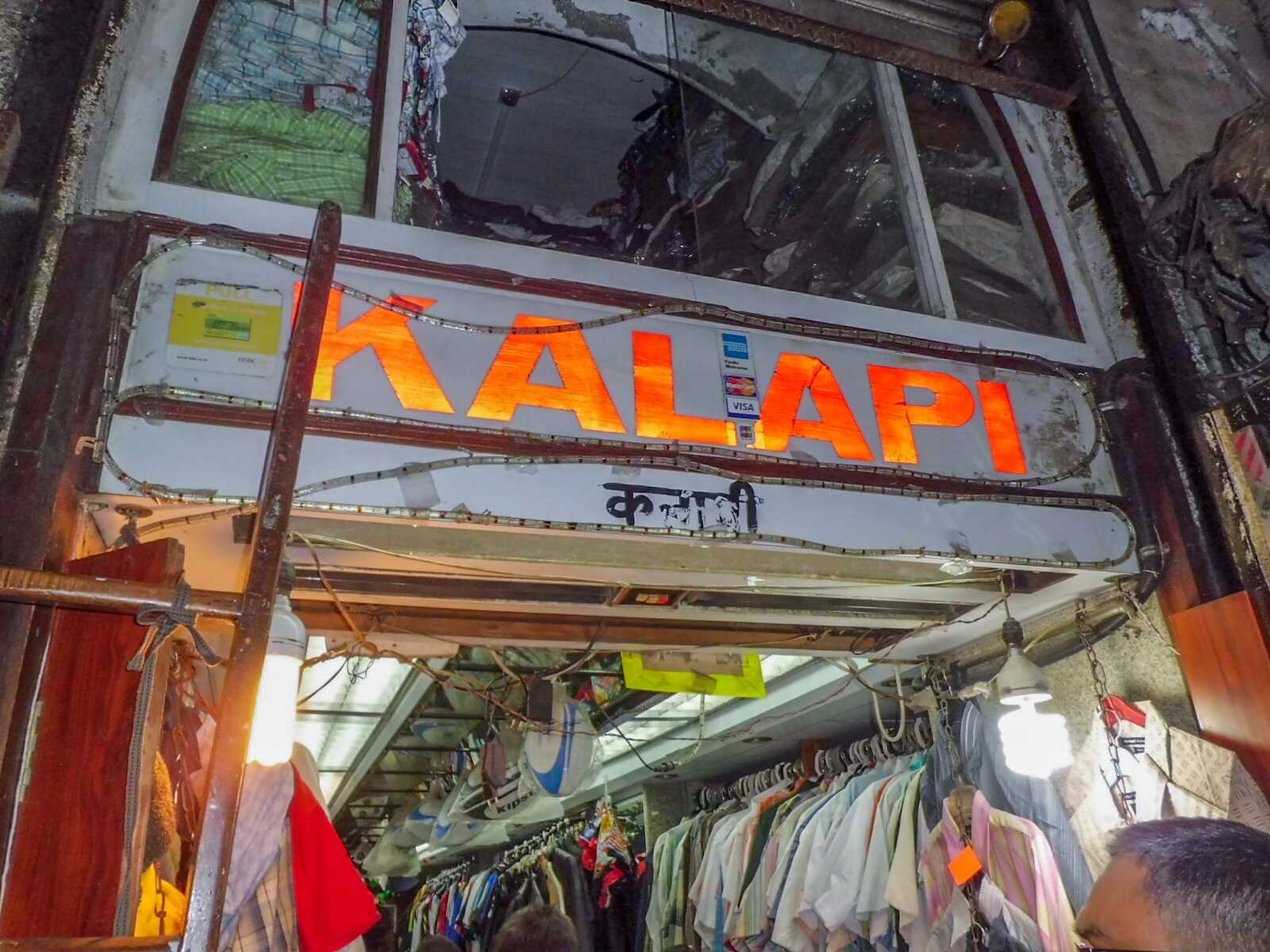
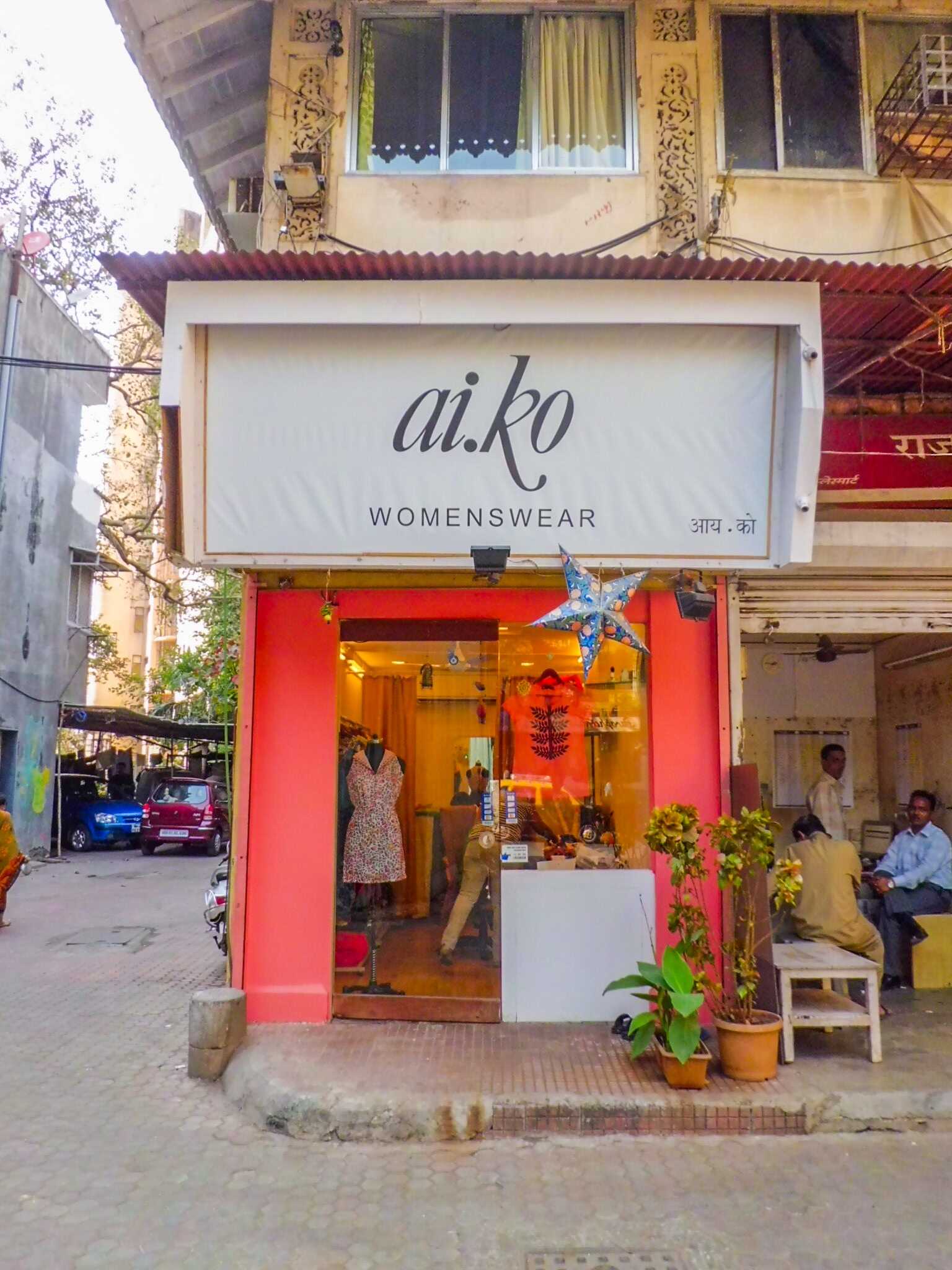
Colaba Causeway is Mumbai’s most famous shopping street, known for its vibrant atmosphere, eclectic street stalls, and colonial charm. Located in the heart of South Mumbai, this bustling market is a paradise for shoppers looking for fashionable clothes, jewelry, antiques, handicrafts, and souvenirs at bargain prices. Lined with historic buildings, trendy cafes, and iconic spots like Leopold Café, Colaba Causeway is more than just a market—it’s an experience. Whether you’re shopping, people-watching, or simply soaking in Mumbai’s energy, this lively street is a must-visit for anyone exploring the city.
Obataimu
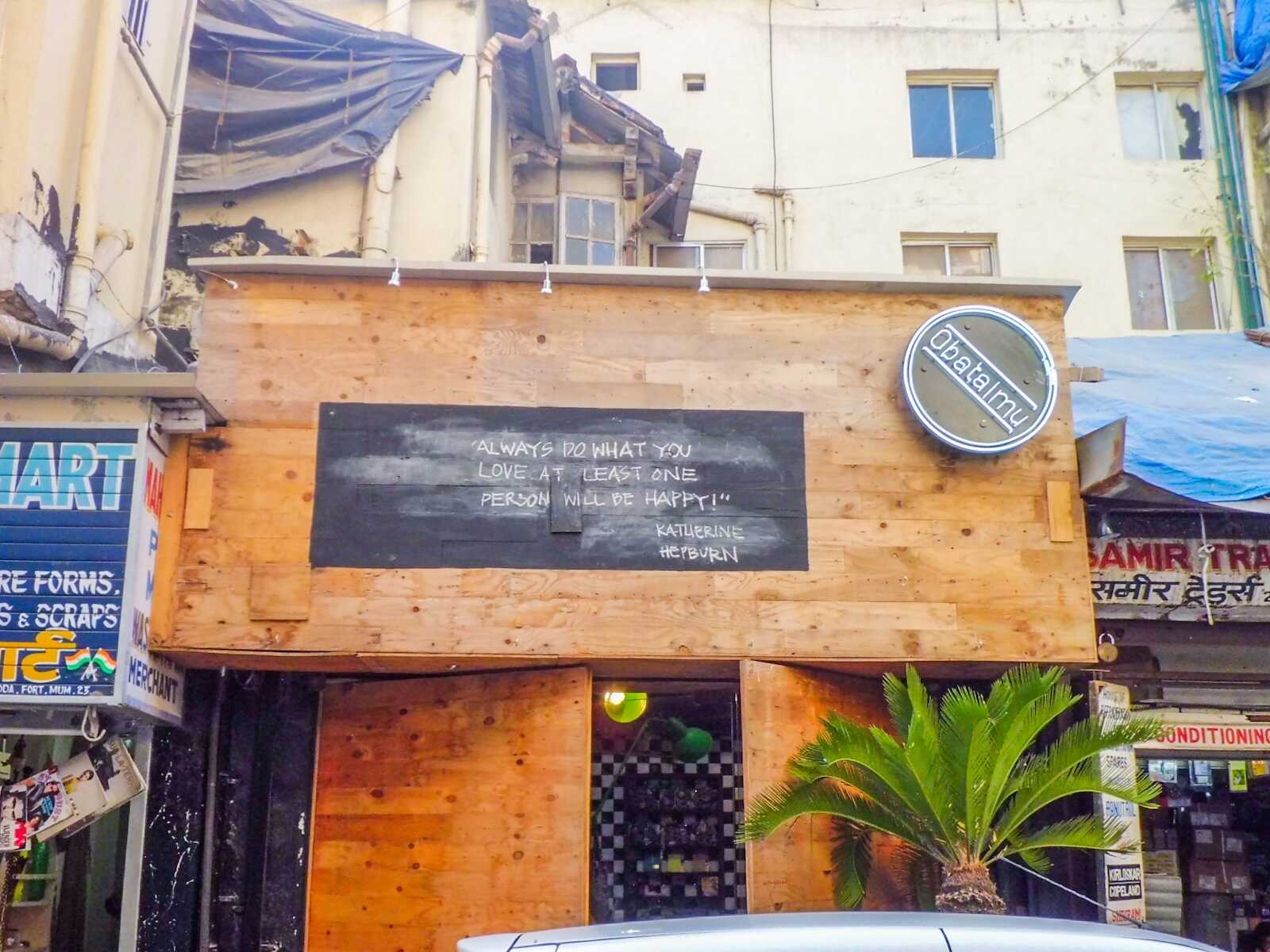
Obataimu, translating to “overtime” in Japanese, is a distinctive fashion label and design studio nestled in Mumbai’s Kala Ghoda district. Founded by Noorie Sadarangani, the brand seamlessly blends Japanese minimalism with Indian craftsmanship, emphasizing slow fashion and meticulous attention to detail. Each garment is handcrafted by a single tailor, ensuring uniqueness and quality. The boutique’s interior reflects its commitment to sustainability, utilizing repurposed materials like supari wood and shipping crates, creating an ambiance that resonates with both nostalgia and modernity. Beyond apparel, Obataimu offers a curated selection of books, handcrafted stationery, and accessories, making it a must-visit destination for those seeking innovative and ethically produced fashion in Mumbai.
Artisans’ Art Gallery and Shop
ARTISANS‘ is India’s first gallery at the intersection of art, craft, and design, located in Mumbai’s heritage Kala Ghoda Art District. The gallery aims to realize the potential of India’s contemporary craft and cultural economy to support creative livelihoods and promote sustainable design and development. More than a gallery or a shop, ARTISANS’ is a movement to change lives, in a world that values the humanity of handmade.
The ARTISANS’ Shop celebrates the creators of extraordinary artifacts from ordinary materials—wood, glass, ceramic, metal, paper, waste, and textiles. Perched on their shelves and hanging from their racks, you’ll find a thoughtfully curated collection of handcrafted artifacts, one-of-a-kind garments & textiles, handbound books, personal & homeware accessories, and works of art sourced from across their diverse range of exhibitors comprised of artists, designers, and craftspeople alike.
Local Mumbai Culture and Etiquette
Understanding Mumbai’s etiquette—whether it’s respecting local customs, navigating its energetic streets, or engaging with its warm and resilient people—enhances the experience of exploring this dynamic metropolis. It is my opinion that when you are a guest in another country, being respectful of their culture is a non-negotiable.
Dress Modestly and Wear Styles That Don’t Draw Attention
While Mumbai is a cosmopolitan city with a modern fashion scene, it’s advisable to dress modestly, especially in religious places and traditional areas. Lightweight, breathable clothing is ideal due to the city’s warm and humid climate, but avoiding overly revealing outfits helps blend in and show cultural respect. Women may prefer wearing loose-fitting tops, knee-length skirts, or long dresses, while men often opt for casual shirts and trousers or jeans.
When visiting temples, mosques, or other sacred sites, covering shoulders and knees is expected. While Mumbai’s nightlife and upscale areas allow for more relaxed fashion choices, dressing modestly in public spaces helps avoid unwanted attention and ensures comfort while exploring the city.
Bargaining at Markets
In Mumbai’s street markets, bargaining is not just common but expected. Vendors often quote higher prices, especially to tourists, so negotiating can help you get a fair deal. A good rule of thumb is to start at half the quoted price and gradually work your way up. Polite but firm bargaining usually works best, and walking away can sometimes lead to the seller lowering the price further. Markets like Colaba Causeway, Linking Road, and Crawford Market are known for great deals on clothing, accessories, and souvenirs, making the bargaining experience an essential part of the shopping adventure.
Respect The Local Custom of Removing Shoes
In Mumbai, as in the rest of India, it is customary to remove your shoes before entering temples, mosques, and even some homes. This gesture shows respect and cleanliness, as footwear is considered impure in religious and domestic spaces. Many religious sites provide designated areas for shoe storage. Additionally, when visiting someone’s home, especially in traditional households, it’s polite to observe whether the hosts remove their shoes and follow suit. Being mindful of these customs helps show cultural appreciation and respect for local traditions.
Be Mindful of Crowds
Mumbai is one of the most densely populated cities in the world, and crowds are an everyday part of life, especially in markets, train stations, and popular attractions. Places like Mumbai local trains, Colaba Causeway, and Marine Drive can get extremely packed, particularly during rush hours (8-11 AM & 5-9 PM). To navigate the city smoothly, it’s best to plan travel during off-peak hours, keep valuables secure, and stay alert in crowded spaces. While the city’s energy is exciting, being mindful of crowds ensures a safer and more enjoyable experience while exploring Mumbai.
Tipping Customs in India
While tipping is not mandatory in India, it is generally appreciated, especially in the service industry. In restaurants, a tip of 5-10% of the bill is common if service charges aren’t already included. In high-end restaurants, 10-15% may be expected. For hotel staff, tipping ₹50-₹100 for bellboys or housekeeping is a nice gesture. Taxi and auto-rickshaw drivers usually don’t expect tips, but rounding up the fare is a courteous practice. For tour guides and drivers, a tip of ₹200-₹500 per day, depending on service quality, is standard. While tipping isn’t as rigidly followed as in Western countries, showing appreciation for good service is always welcomed in India.
Do Many Local India Residents Speak English?
Who Speaks English in India?
- In urban areas, most professionals, students, and service industry workers speak English fluently.
- In tourist spots, hotels, and restaurants, English is widely understood.
- In markets and local neighborhoods, basic English is common, though Hindi or regional languages might be more dominant.
- In rural areas, English proficiency is lower, but many people understand basic words or phrases.
Tips for Communication:
- Speaking slowly and clearly helps if someone isn’t fluent.
- Learning a few basic Hindi or regional phrases can be helpful and appreciated.
- Google Translate or language apps can assist in areas where English is less common.
Overall, if you’re traveling in India, you’ll have little trouble communicating in English, especially in cities and tourist areas!
Can Visiting Tourists Get Henna Done?
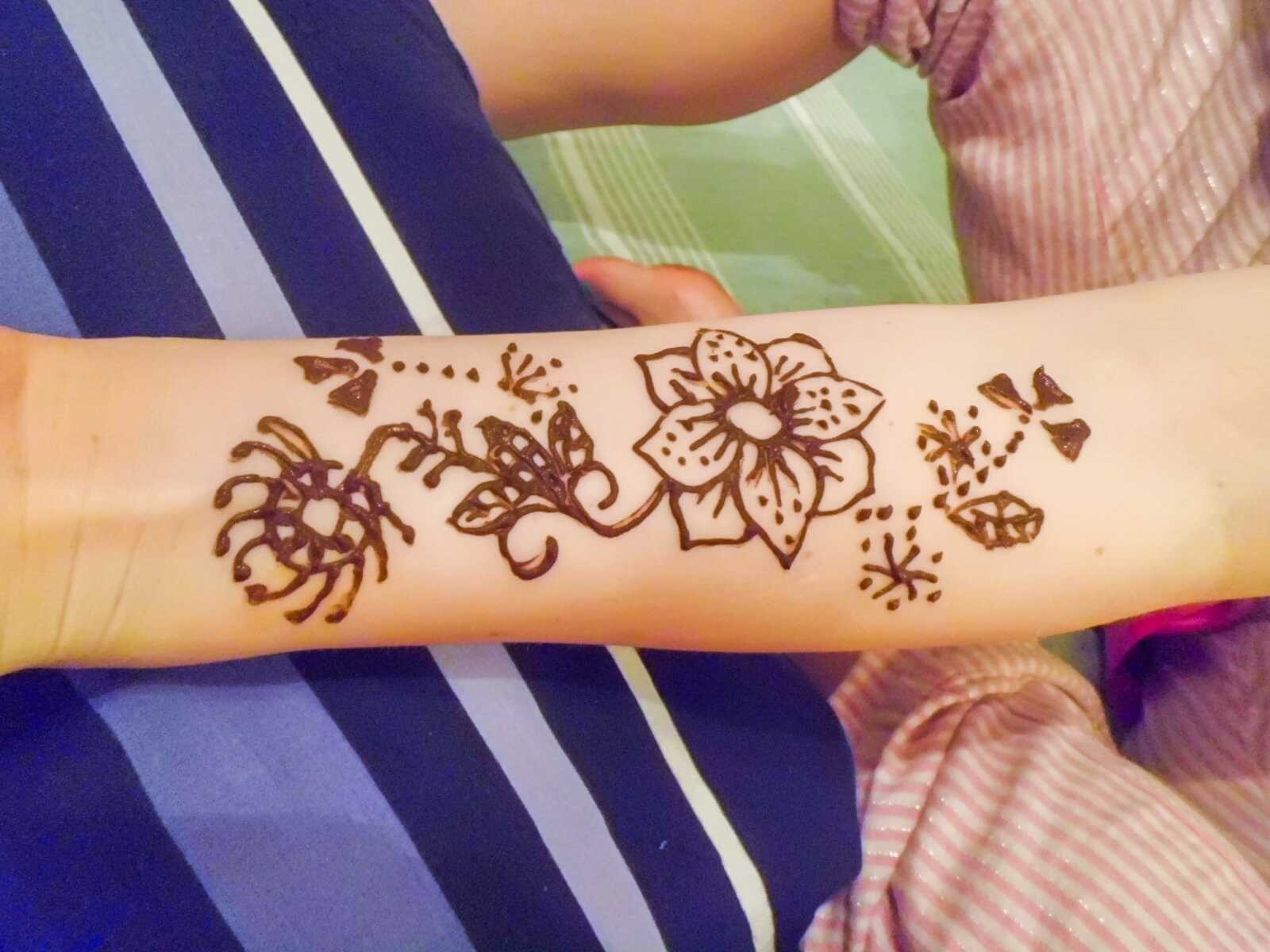
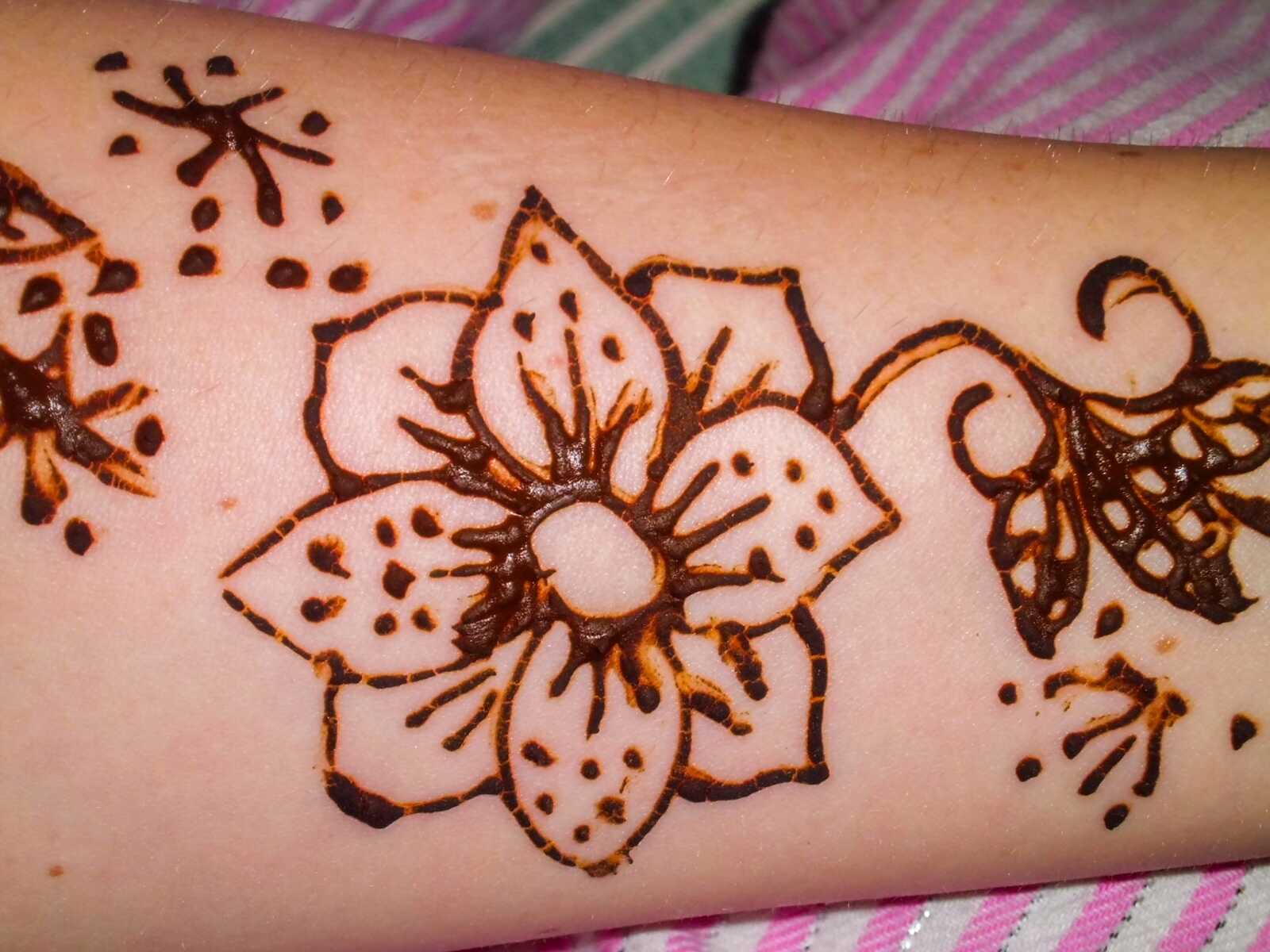
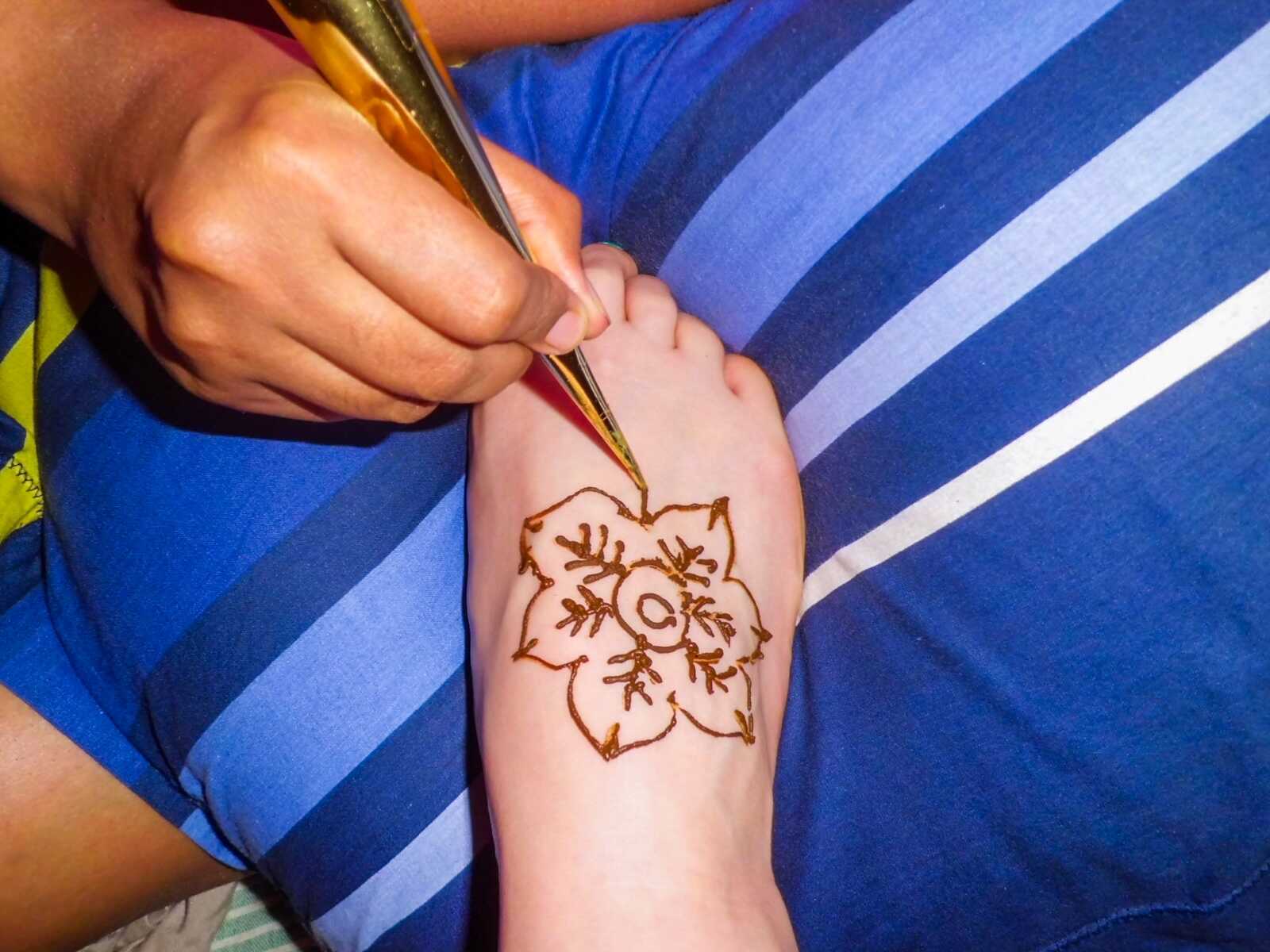
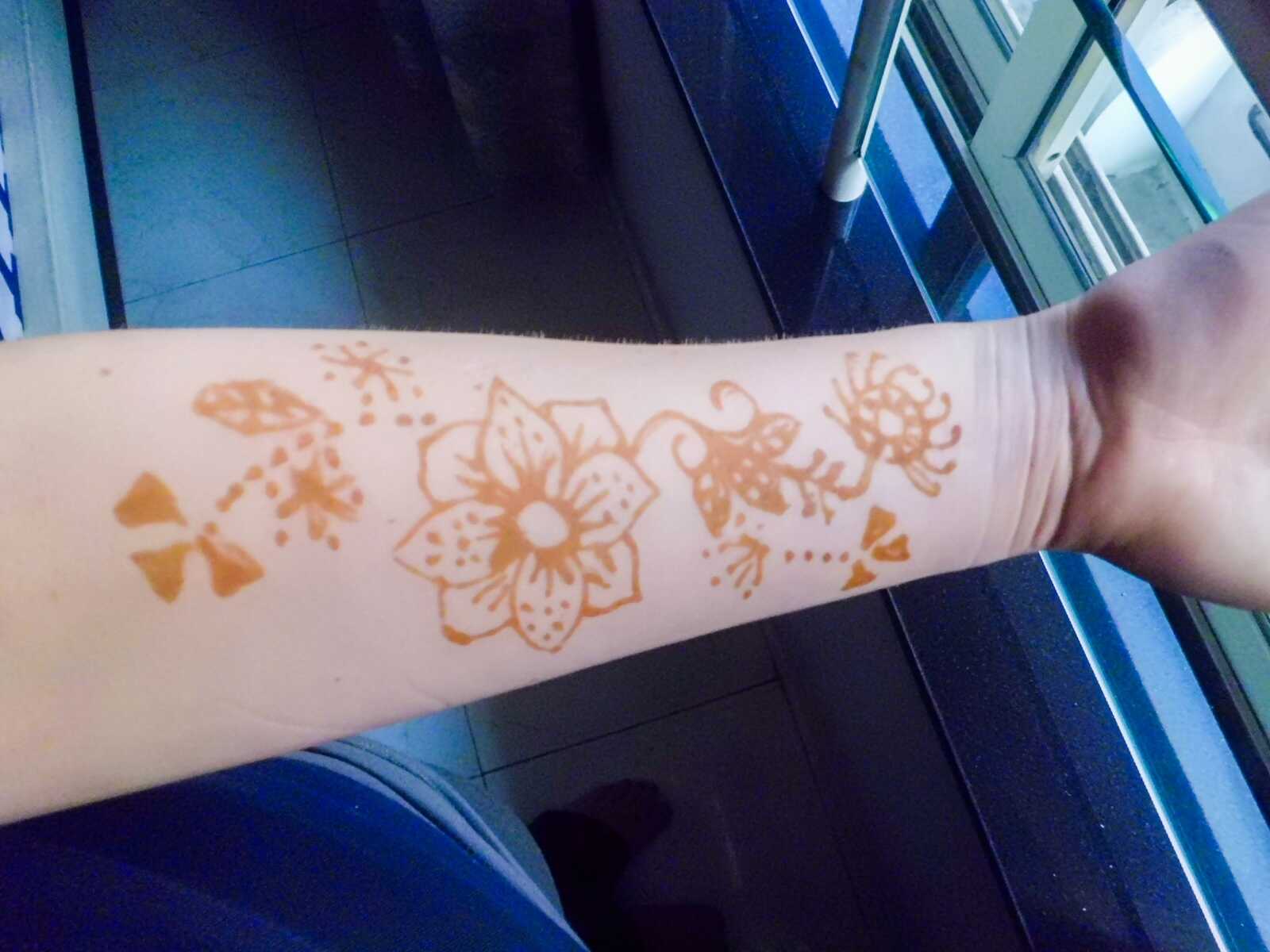
Yes! Visiting tourists can definitely get henna (mehendi) done in Mumbai, as the city offers many places where skilled artists create beautiful temporary henna tattoos. Whether you’re looking for traditional Indian bridal mehendi, Arabic designs, or trendy modern patterns, Mumbai has plenty of options.
Where to Get Henna in Mumbai:
Street Artists at Gateway of India & Juhu Beach – Local mehendi artists often set up near tourist hotspots, offering quick and affordable designs.
Colaba Causeway & Crawford Market – Popular shopping areas where you can find skilled mehendi artists.
Beauty Salons & Mehendi Studios – Local mehendi studios offer professional henna services.
Festivals & Local Events – If you’re visiting during Diwali, Karva Chauth, or weddings, you’ll find henna stalls everywhere.
Tips for Tourists Getting Henna in Mumbai:
Negotiate Prices – Street artists usually charge between ₹100-₹500 per hand, depending on the design’s complexity.
Check the Henna Quality – Ensure they use natural henna (not black henna, which can cause allergies).
Let it Dry Naturally – Keep the paste on for at least 2-4 hours for a deep, long-lasting stain.
Avoid Water for 12-24 Hours – Helps the color develop into a rich brown.
Safety Tips to Visit Mumbai
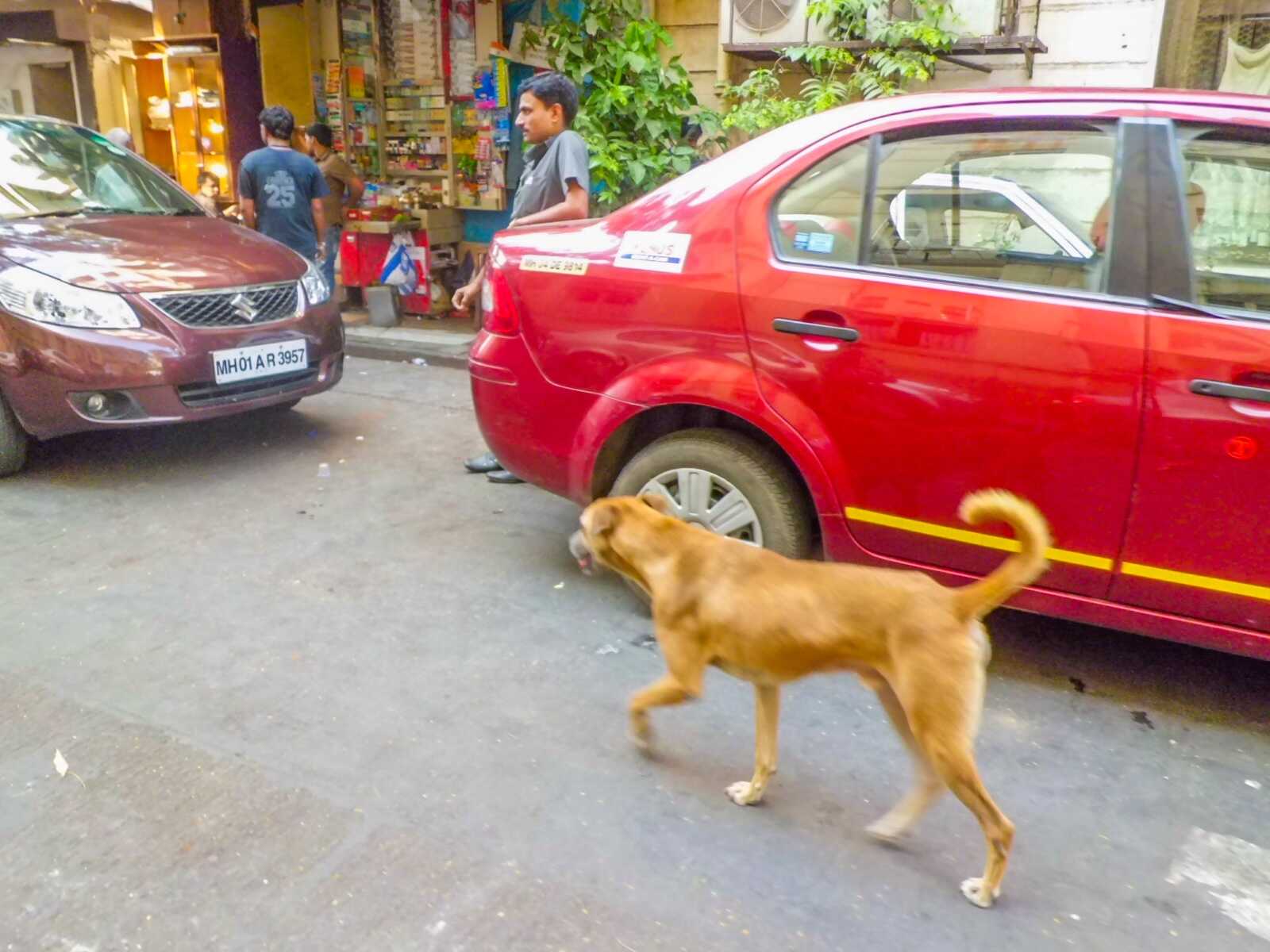
Visiting Mumbai is an exciting experience, but like any major city, it’s important to stay aware and take precautions for a safe and enjoyable trip. As India’s largest and busiest metropolis, Mumbai is generally safe for tourists, but being mindful of crowds, transportation, and local customs can help avoid potential hassles.
From protecting your belongings in busy areas to choosing safe modes of transport, a little awareness goes a long way. Whether you’re exploring bustling markets, historic landmarks, or Mumbai’s vibrant nightlife, following a few essential safety tips will ensure a smooth and memorable visit.
Women Only Taxi Drivers in Mumbai
Mumbai offers women-only taxi services to provide safe and comfortable transportation for female travelers. These services are operated by women drivers and cater exclusively to women and families, ensuring a secure and hassle-free travel experience.
Popular Women-Only Taxi Services in Mumbai:
Priyadarshini Taxi Service – One of Mumbai’s first all-women taxi services, offering reliable and safe rides.
Viira Cabs – A female-driven taxi service focused on women’s safety and empowerment.
Uber and Ola (Women Preferred Drivers) – While not exclusively women-driven, these apps allow female passengers to select women drivers when available.
Where to Find These Taxis:
- Pre-booking via official apps, websites, or customer service numbers.
- Some hotels and businesses also arrange women-only cabs upon request.
These services ensure safety, comfort, and empowerment, making them a great choice for women traveling solo in Mumbai.
How to Ensure That Your American Cell Phone Works in India
Ensuring that your American cell phone works in India requires some preparation, as network compatibility and roaming charges can vary. Here’s a step-by-step guide to staying connected while traveling:
Check if Your Phone is Unlocked
- If your phone is carrier-locked (e.g., AT&T, Verizon, T-Mobile), it may not work with an Indian SIM card.
- Contact your provider to unlock your phone before traveling.
Verify Network Compatibility
- India primarily uses GSM networks (4G LTE & 5G), so most unlocked U.S. phones should work.
- CDMA-only phones (older Verizon/Sprint models) may not work.
Choose a Connection Option
Get an Indian SIM Card (Best for Longer Stays)
- Purchase a prepaid SIM card from major Indian providers like:
- Jio (Best for data-heavy users)
- Airtel (Good nationwide coverage)
- Vi (Vodafone-Idea) (Reliable in cities)
- Available at airports, phone stores, or kiosks with passport & visa verification.
Use International Roaming (Best for Short Trips)
- Check with your U.S. provider for international plans:
- T-Mobile: Free basic data in India
- AT&T & Verizon: $10/day for roaming
- Google Fi: Works seamlessly in India
- Roaming is convenient but expensive compared to local SIM cards.
Use an eSIM (Hassle-Free Option)
- If your phone supports eSIM, you can buy an India-compatible eSIM from providers like Airalo or Holafly before your trip.
- No need for a physical SIM—just activate via an app.
Use Wi-Fi & Messaging Apps
- Free Wi-Fi is available at hotels, cafes, and airports.
- Use apps like WhatsApp, Signal, or FaceTime for calls & texts over Wi-Fi.
Final Tip:
If you’re staying for more than a week, getting an Indian SIM or eSIM is the most cost-effective way to stay connected without high roaming fees.
Beware of Pickpockets in Mumbai
Like any major city, Mumbai has its share of pickpockets, especially in crowded areas like markets, railway stations, and tourist attractions. Places like Colaba Causeway, CST Station, Dadar Market, and Mumbai Local Trains can get extremely busy, making them hotspots for petty theft.
To stay safe, keep valuables secured in a front pocket or a money belt, avoid displaying expensive items, and be cautious when someone bumps into you or creates a distraction. Secure bags that are made to be theft-proof will help protect your belongings and ensure a hassle-free experience while exploring the city.
Tips to Booking a Secure Hotel in Mumbai
Finding a safe and reliable hotel in Mumbai is essential for a comfortable stay. With a wide range of options, from budget stays to luxury hotels, here are key tips to ensure security and convenience:
1. Choose a Safe Location
- Opt for hotels in well-known areas like Colaba, Bandra, Marine Drive, Lower Parel, or Juhu, which are safer and well-connected.
- If you need easy transport access, stay near major railway stations or airports but avoid extremely crowded, chaotic neighborhoods.
2. Book Through Trusted Platforms
- Use reliable hotel booking websites like Booking.com, Expedia, Agoda, or direct hotel websites.
- Check if the hotel has verified guest reviews with good ratings for safety and cleanliness.
3. Check Security Measures
- Look for hotels with 24/7 front desk service, CCTV surveillance, and secure room locks.
- Ensure the hotel has a safe deposit box for storing valuables.
- Ask if they offer airport pickup to avoid scams at the airport.
4. Prioritize Hotels with Good Reviews
- Read guest reviews, especially from solo travelers or families, to understand security levels.
- Look for comments on neighborhood safety, staff behavior, and overall experience.
5. Verify ID and Booking Policies
- Hotels in India require passport and visa verification for foreign tourists.
- Be cautious of hotels that do not ask for ID, as they may not be government-registered.
6. Check for Women-Friendly & Family-Friendly Hotels
- If you’re a solo female traveler, consider women-friendly hotels or chains like Taj Mahal Tower, Oberoi, Trident, and Marriott, which emphasize security.
7. Avoid Extremely Cheap & Unregistered Hotels
- Some low-cost hotels may lack proper security or be in unsafe areas.
- Always check if the hotel is registered and has an official website.
Are There Terrorist Attacks in Mumbai?
Mumbai has experienced terrorist attacks in the past, with the most notable being the 2008 Mumbai attacks, where multiple locations, including the Taj Mahal Palace Hotel, CST railway station, and Leopold Café, were targeted. However, since then, security has been significantly strengthened, and Mumbai remains generally safe for both locals and tourists.
Current Security Measures in Mumbai:
- High police presence in crowded areas, railway stations, and tourist hotspots.
- Strict baggage screening at airports, malls, hotels, and public buildings.
- Increased surveillance with CCTV cameras and security checkpoints.
- Quick-response forces and counter-terrorism units are actively monitoring threats.
While the risk of terrorism exists in any major city worldwide, Mumbai has not seen any major attacks in recent years, and it continues to be a safe travel destination. However, visitors should stay aware of their surroundings, follow local security advisories, and report any suspicious activities to authorities.
A Note About the Slums of Mumbai
The slums of Mumbai are an integral part of the city’s landscape, reflecting both its challenges and resilience. While they are often associated with overcrowding and poverty, they are also centers of entrepreneurship, strong community bonds, and cultural richness. Dharavi, one of the world’s largest slums, is home to a thriving informal economy, where small-scale industries produce leather goods, textiles, pottery, and recycled materials that are sold globally.
Despite the hardships, many slum communities have schools, health clinics, and social initiatives that help improve living conditions. Tourists interested in understanding this side of Mumbai can take ethical slum tours, such as those by Reality Tours & Travel, which provide insightful, respectful, and responsible experiences, ensuring that part of the proceeds benefit the local community. While slums highlight the city’s socio-economic inequalities, they also showcase Mumbai’s spirit of determination, hard work, and innovation.

Visiting the Taj Mahal from Mumbai
The Taj Mahal, one of the Seven Wonders of the World, is a must-visit destination in Agra, Uttar Pradesh, but since it’s far from Mumbai (over 1,200 km away), careful planning is essential for a smooth trip.
Best Ways to Travel from Mumbai to the Taj Mahal
1. By Air (Fastest & Most Convenient – 2 to 3 Hours)
- The nearest airport to the Taj Mahal is Indira Gandhi International Airport (Delhi) or Agra Airport.
- Direct flights from Mumbai (BOM) to Delhi (DEL) take around 2 hours.
- From Delhi, you can reach Agra by:
- Gatimaan Express train (1 hour 40 minutes).
- Private taxi or car (3 to 4 hours).
- Luxury bus services (4 to 5 hours).
- Some flights to Agra Airport (AGR) are available, but they are limited.
2. By Train (Budget-Friendly but Time-Consuming – 16 to 20 Hours)
- Direct trains from Mumbai to Agra Cantt Station include:
- Rajdhani Express (Fast, takes about 16 hours).
- Maharashtra Sampark Kranti Express (Takes around 18 hours).
- Trains can be booked on IRCTC (Indian Railways), and AC classes are recommended for comfort.
3. By Road (Not Recommended – 20+ Hours)
- A Mumbai to Agra road trip is possible, but it takes 20+ hours by car or bus.
- Not ideal unless you plan multiple stops along the way.
Best Time to Visit the Taj Mahal
- October to March (Cooler weather, best for sightseeing).
- Avoid May to June, as it’s extremely hot.
- Taj Mahal is closed on Fridays (for prayers at the mosque inside).
Tips for Visiting the Taj Mahal
- Arrive early in the morning to avoid crowds and get the best views.
- Foreign tourists pay a higher entry fee but get priority access.
- No large bags, tripods, or food are allowed inside.
- Hire a government-approved guide to learn about its rich history.
In Conclusion
Mumbai is a city of contrasts, where history meets modernity and chaos blends with charm. Whether you’re exploring its bustling streets, indulging in its famous street food, or admiring its stunning architecture, Mumbai travel promises an experience like no other. With this guide, you’ll be well-prepared to make the most of your first visit to India’s most dynamic metropolis!
Have you been to Mumbai? Share your experiences in the comments below!