Flying with Babies and Kids – My Top 20 Tips From Years of Experience as a Traveling Parent

Flying with kids can feel like an overwhelming challenge, but after years of experience traveling with my little ones, I’ve learned that preparation and the right mindset can make all the difference. Whether you’re embarking on a short domestic flight or a long-haul international journey, having a game plan ensures a smoother experience for both you and your children.
In this comprehensive guide, I’m sharing my top tips for flying with kids—covering everything from packing essentials to managing in-flight entertainment and handling potential meltdowns. With the right approach, air travel with kids can be a fun and even rewarding experience!
Before You Fly: Preparation is Key
Choose the Right Flight Times
Whenever possible, try to book flights that align with your child’s natural schedule. If your child naps at a particular time, a flight during that window might make for a smoother journey. Red-eye flights work well for some kids who can sleep on planes, while for others, daytime flights with plenty of activities are the better option.
Book the Best Seats for Your Family
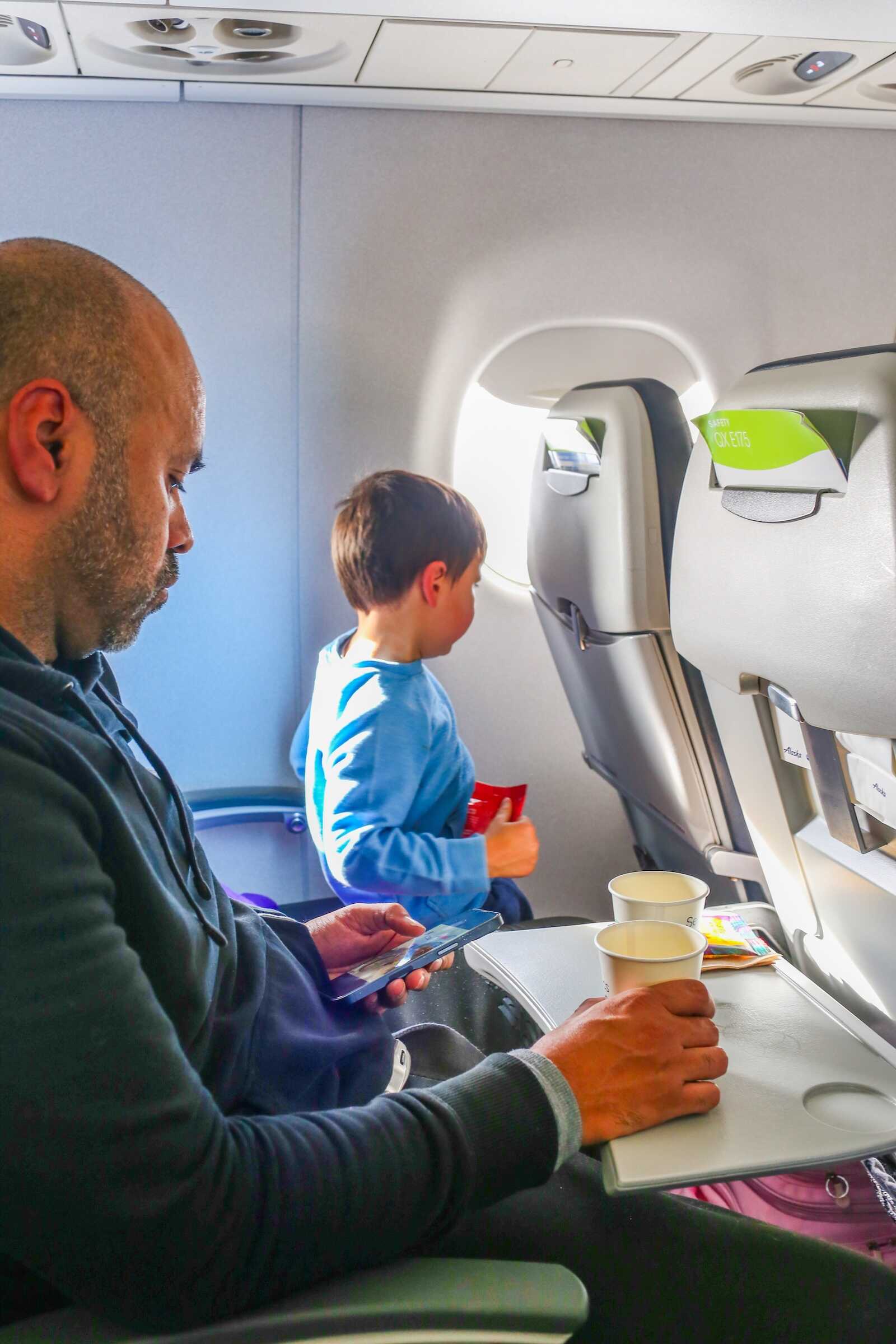
Check your airline’s seating policy and book your seats early. If traveling with an infant, request the bassinet seat if available. Some families prefer sitting near the front for easy boarding and deplaning, while others opt for the back, which is closer to bathrooms.
Children under 2 years old can fly for free on most airlines, but this comes with the requirement that they must sit on a parent’s lap for the duration of the flight. While this can save money, it may not always be the most comfortable or safest option.
Buying a separate seat for your baby or toddler allows you to use an FAA-approved car seat, which provides added safety and gives both you and your child more space, making the flight more comfortable, especially on long journeys. It also frees up your hands and reduces fatigue.
Another point to consider when contemplating buying your baby or toddler a seat, is that you won’t have a stranger sitting right next to you if you buy the whole row of seats. Sometimes other passengers are friendly to young children… but other times they are not.
However, purchasing an extra ticket can be costly, and some parents may find that holding their child is manageable for short flights. Ultimately, the decision depends on budget, flight duration, and personal comfort preferences.
Pro Tip: You can save money and find cheap flights if you book flights on Christmas Day!
Pack Smart: Carry-On Essentials for Kids
Your carry-on bag can be your best friend or your worst enemy. For myself, I tend to be a minimalist when it comes to my diaper bag, but on plane rides you’ll new a few more items than usual. Here are my must-haves for air travel with kids:
- Diapers and Wipes: If traveling with a baby or toddler, pack more than you think you’ll need.
- Change of Clothes: Accidents happen! Bring an extra outfit for your child and even one for yourself.
- Snacks and Drinks: Airplane food isn’t always kid-friendly. Pack a variety of snacks to keep hunger at bay.
- Entertainment: Books, small toys, stickers, coloring books, and electronic devices with headphones.
- Medications: Bring any necessary medications, including pain relievers and motion sickness remedies.
- Comfort Items: A favorite blanket, stuffed animal, or pacifier can be a lifesaver.
Figure Out What is Going Into the Overhead Bins
When traveling with young children, it’s essential to figure out what will go into the overhead bins before you board to avoid last-minute chaos. Organize your carry-on items strategically—keep essentials like snacks, diapers, wipes, and entertainment in an easily accessible under-seat bag, while less frequently needed items, such as extra clothes or backup supplies, can go in the overhead compartment.
Pre-planning what needs to be within arm’s reach can make a huge difference, preventing unnecessary rummaging mid-flight and keeping your little one comfortable and content. This small step can streamline the boarding process and help ensure a smoother, less stressful journey for everyone.
Bringing a Car Seat for Car Rides When Traveling
Even though you’re flying, bringing a car seat for car rides at your destination is a must when traveling with young children. Whether you’re hopping into an Uber, Lyft, rental car, or embarking on a road trip, having a familiar, properly fitting car seat ensures your child’s safety and comfort. Many rideshare services and taxis don’t provide car seats, and renting one can be expensive or unreliable. Checking a car seat or using it on the plane (if it’s FAA-approved) is a small inconvenience compared to the peace of mind knowing your child is secure when you land. Planning ahead means smoother, safer travels from the airport to your final destination.

Prepare Your Child for the Flight
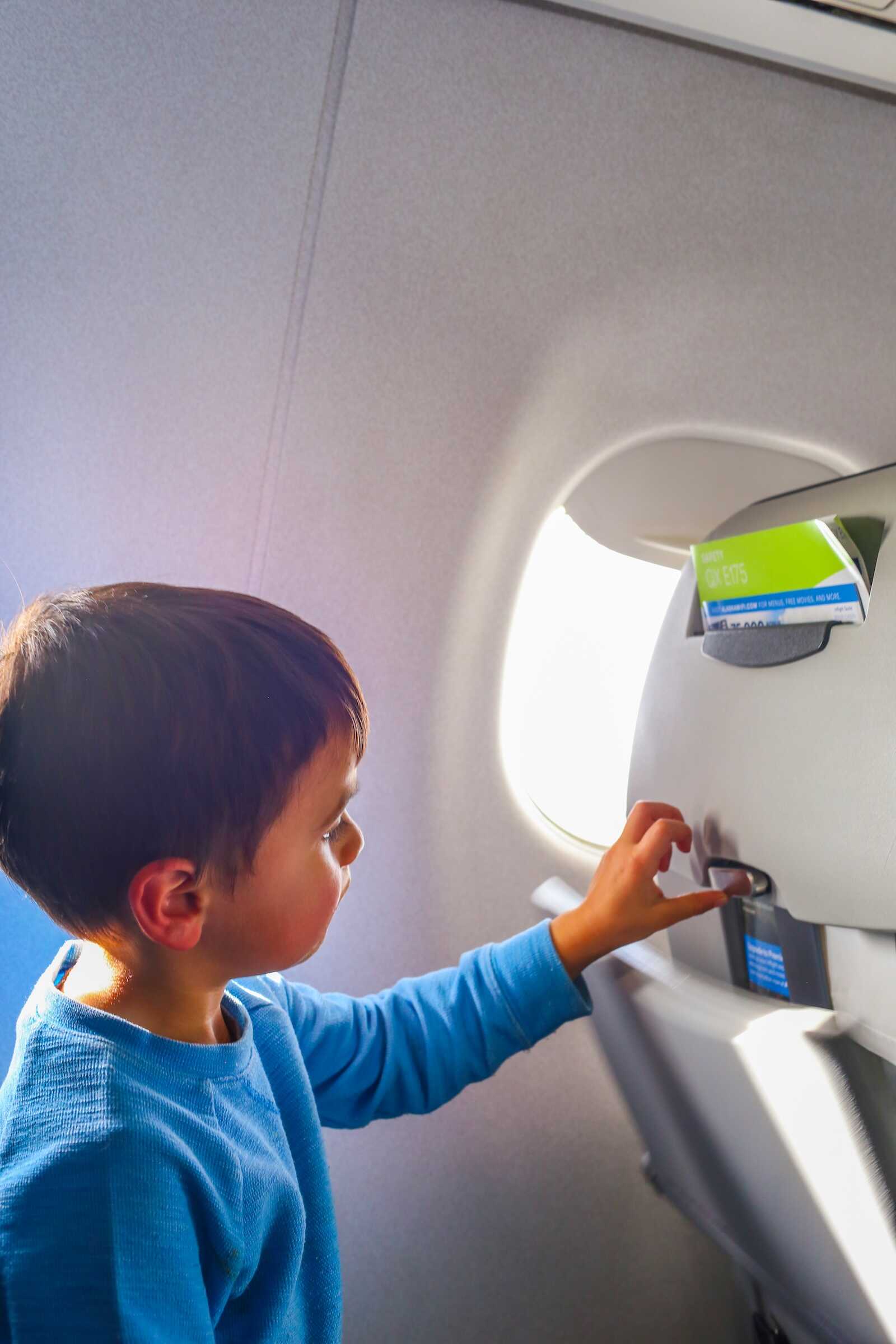
If your child is old enough to understand, talk to them about what to expect at the airport and on the plane. Show them videos or read books about flying to help them feel comfortable with the process. My 6-year-old daughter was very excited to go on the plane and we reviewed the process with her the night before we went to the airport. This way she knew what to expect and there were no surprises.
Plan for Airport Security
Going through security can be one of the most stressful parts of flying with kids. To make it easier:
- Keep liquids in a clear, easy-to-access bag.
- Wear slip-on shoes and avoid belts for quick removal.
- Explain the security process to your kids in advance so they know what to expect.
- You can bring both powder and liquid baby formula on a plane, but you may still have to have your bags manually checked by TSA.
Documents Required for International Travel with Children
When traveling internationally with children, having the right documents is crucial to avoid any complications at the airport or border control. A valid passport is required for each child, and some countries may also need a visa, depending on the destination. If only one parent is traveling with the child, a notarized letter of consent from the non-traveling parent may be required, especially in cases of shared custody. Some countries also ask for a birth certificate to verify parental relationships.
Additionally, if traveling with a child who isn’t your own, a signed and notarized travel consent letter from both parents or legal guardians is typically necessary. It’s always best to check the entry requirements of your destination well in advance to ensure you have all the necessary paperwork for a smooth and stress-free journey.
At How Many Months Old Can a Baby Fly?
Most airlines allow infants to fly as young as 2 days old, but pediatricians typically recommend waiting until a baby is at least 2 to 3 months old before flying. This is because newborns have developing immune systems and are more vulnerable to germs in crowded places like airports and airplanes. If travel is necessary for a younger baby, taking precautions such as frequent handwashing, avoiding peak travel times, and keeping the baby away from sick passengers can help. Always check with your pediatrician before flying, especially if your baby was born prematurely or has any health concerns.
At the Airport: Managing the Wait Time
Arrive Early, but Not Too Early
Aim to arrive with enough time to go through security at a relaxed pace but not so early that your kids get bored before boarding. For domestic flights, 90 minutes to two hours is usually ideal, while international flights may require more time.
Let Kids Burn Energy Before Boarding
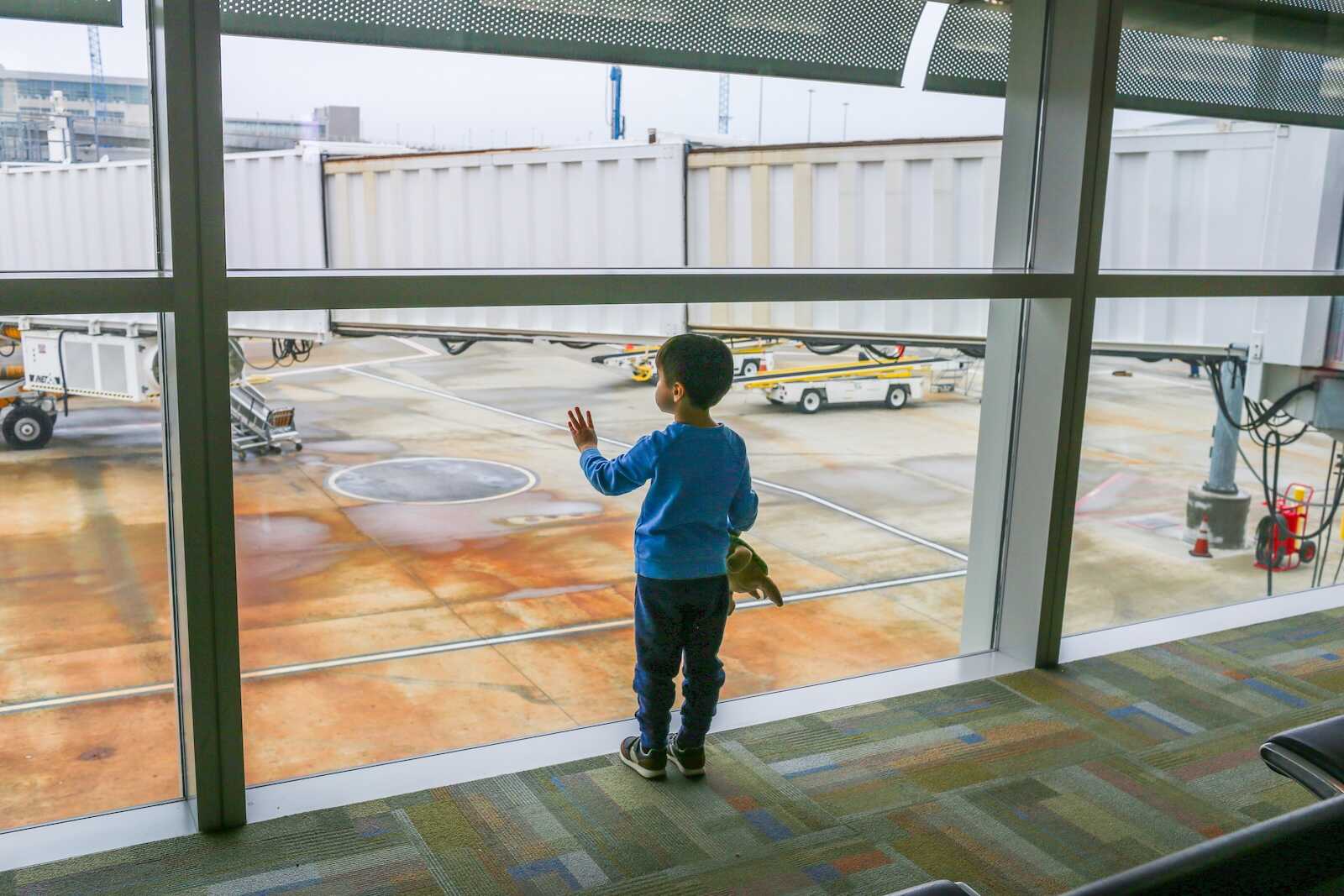
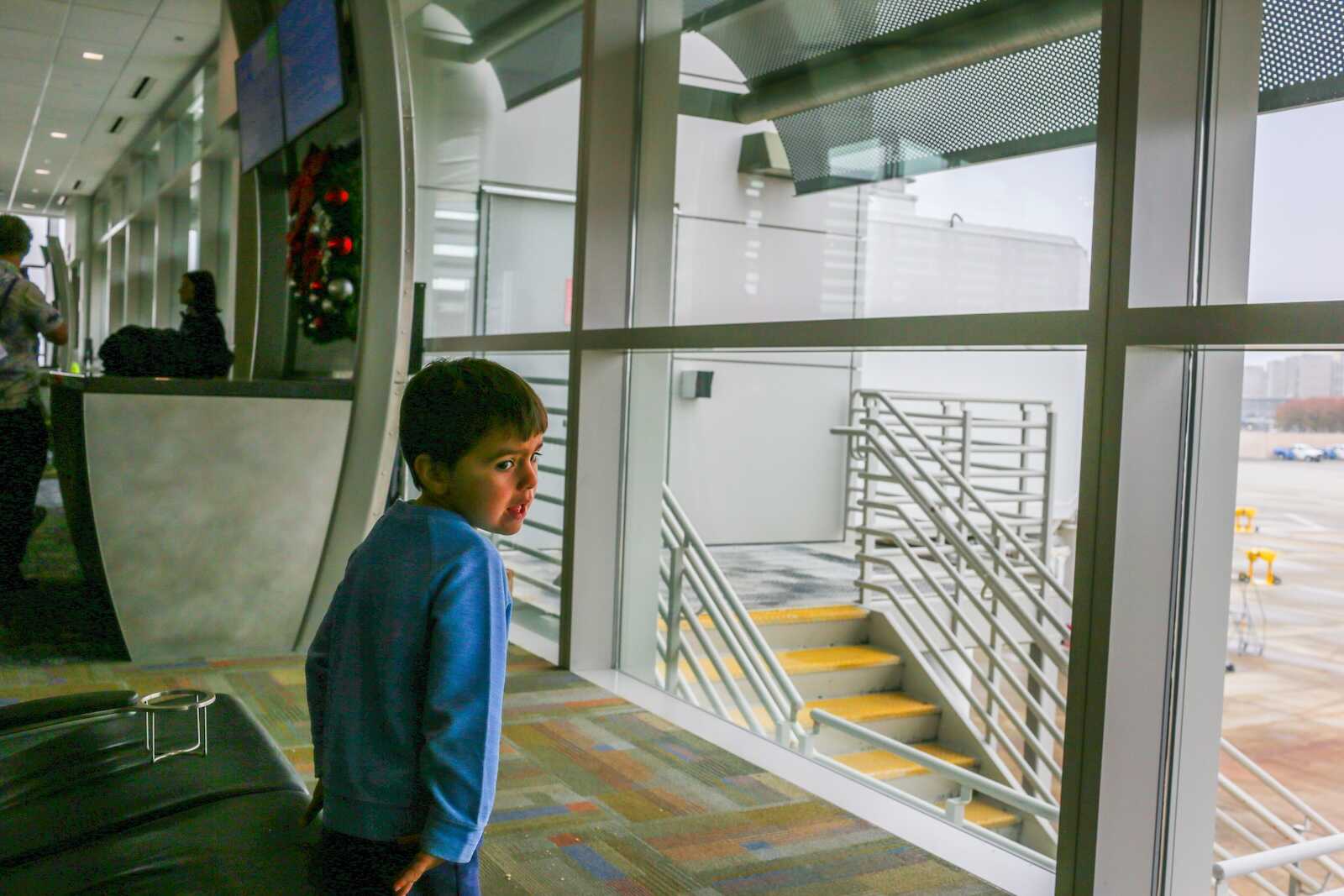
Many airports have play areas where kids can run around before the flight. If there’s no play area, find a quiet corner where they can move and stretch. If your kids really want to be on the move, parents can take turns walking around the airport and sightseeing with the kids.
Use the Family Boarding Option
Many airlines allow families with young children to board early. While this can be helpful, some parents prefer to board last to minimize time spent on the plane before takeoff.
Checking Your Stroller and Carseat at the Gate
Checking your stroller and car seat at the gate can make navigating the airport much easier while ensuring you have these essentials ready as soon as you land. Many airlines allow parents to check strollers and car seats for free, making it a convenient option for families with young children. Using your stroller through security and up to the gate can help keep little ones contained and comfortable before boarding. At the gate, simply tag your items and leave them at the boarding door, where they’ll be stored in the cargo hold and returned to you as you exit the plane. For car seats, if you’re not using them on the flight, a travel bag can help protect them from dirt and damage.

In the Air: Keeping Kids Comfortable and Entertained
Manage Ear Pressure
Ear pain during takeoff and landing is common for kids. Help by:
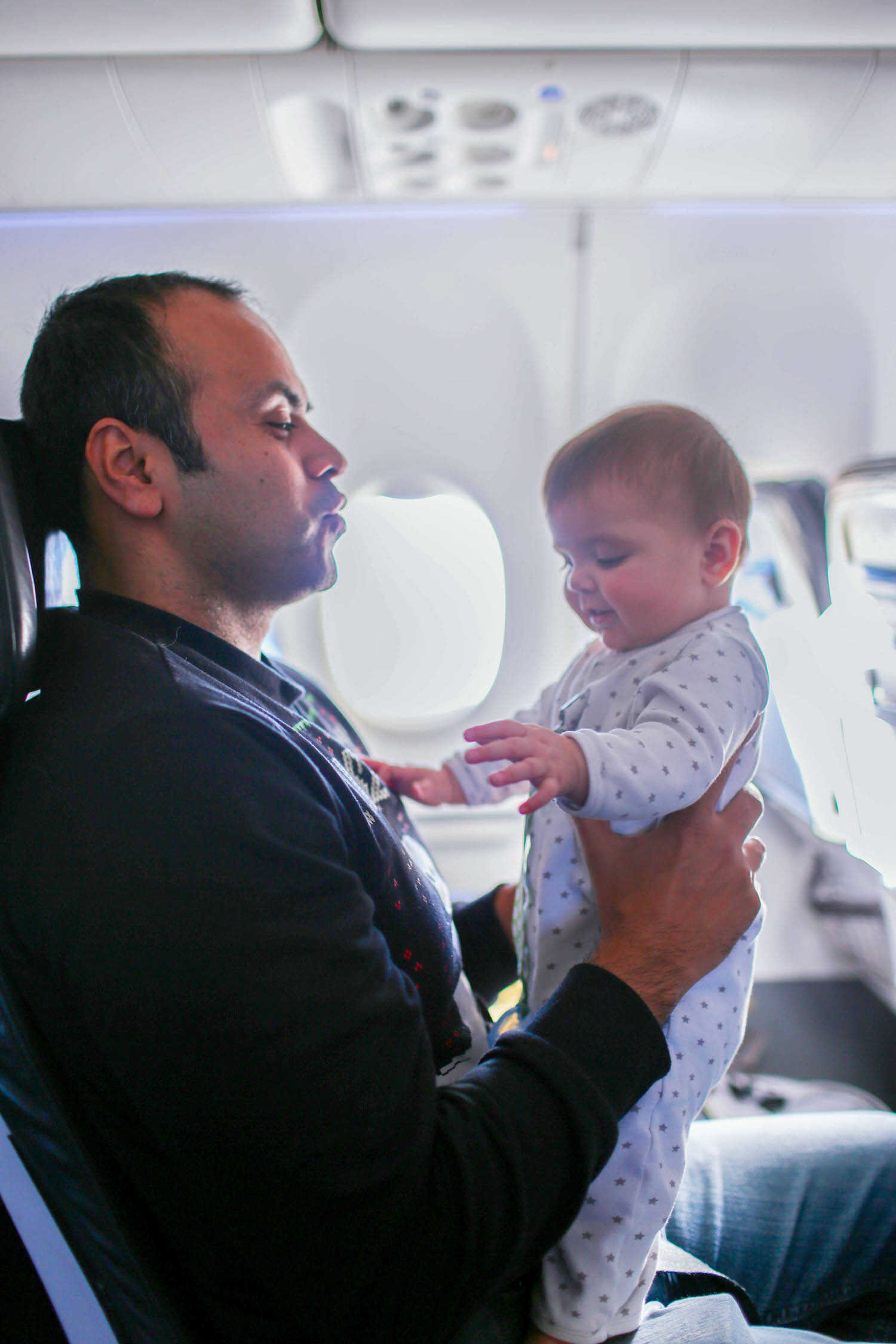
- Breastfeeding, bottle-feeding, or offering a pacifier to infants.
- Encouraging older kids to suck on a hard candy or sip water.
- Using ear plugs or pressure-reducing earplugs designed for kids.
Keep Kids Entertained on the Flight
Screen Time
When it comes to screen time for our kids, we generally only reserve tablets for travel, making it a special treat that helps keep them entertained during long flights. To avoid any hiccups, we always download movies, shows, and games in advance, ensuring everything works offline in airplane mode. Headphones are a must—not only for courtesy to fellow passengers but also for a better listening experience. Over-ear, volume-limiting headphones tend to be the most comfortable for little ones. Since battery life can be unpredictable, we always bring a backup power source to keep devices charged, preventing any mid-flight meltdowns.
Creative Activities
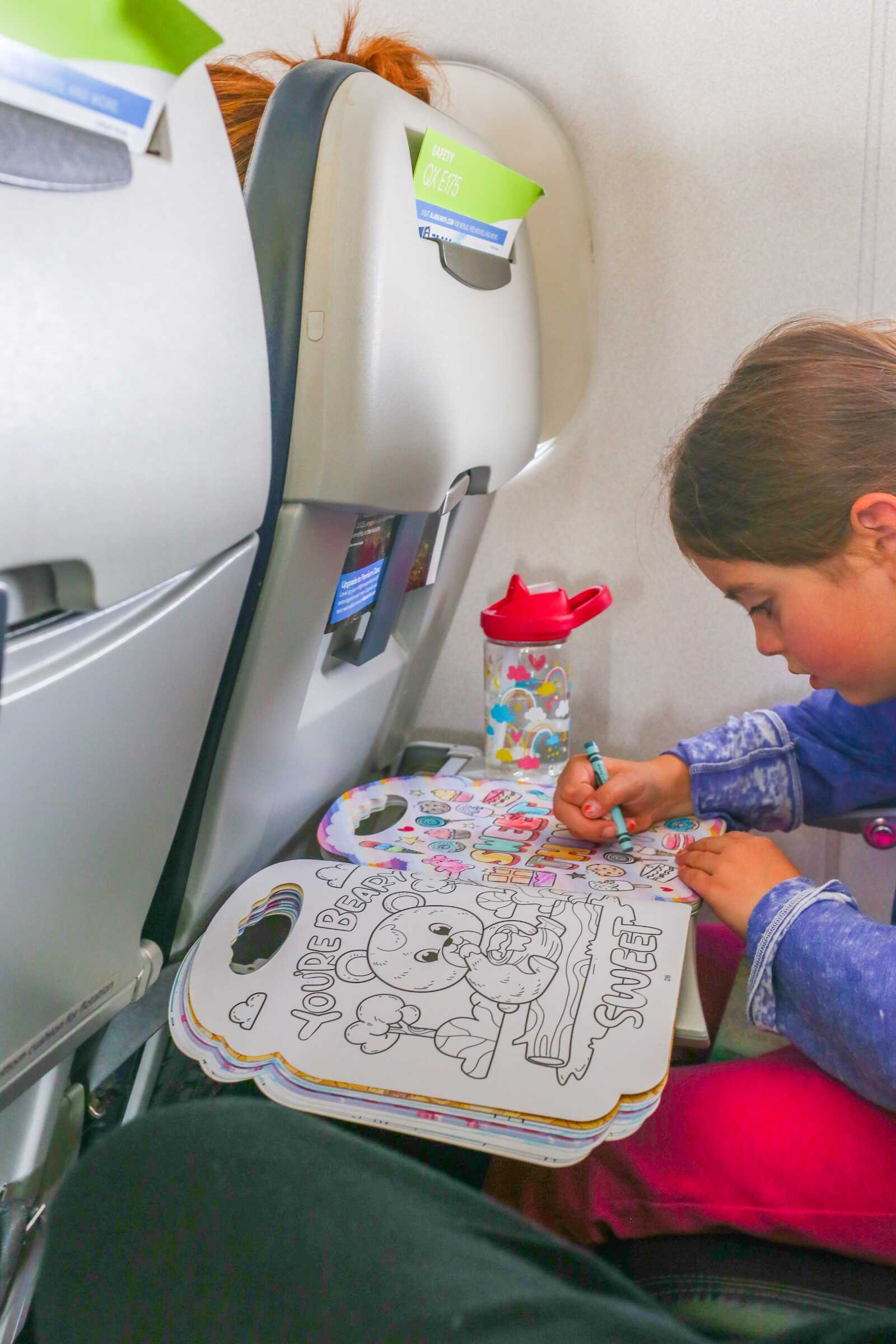
Creative activities like stickers, coloring books, and small puzzles work wonders for keeping kids engaged on a plane without relying on screens. These hands-on activities not only help pass the time but also encourage creativity and fine motor skills. Sticker books with themed scenes can keep little ones entertained for ages, while coloring books and crayons provide a calming, mess-free way to stay occupied. Small puzzles, like travel-sized jigsaw puzzles or brain teasers, offer a fun challenge that keeps their minds engaged. These activities are also great for breaks between screen time, helping to prevent boredom and restlessness while making the journey feel like an adventure.
Parent Hack of Surprise Toys
Surprise toys can be a game-changer when traveling with kids on a plane. Packing a few small, new toys or activities to reveal mid-flight adds an element of excitement and helps break up long stretches of travel. Whether it’s a tiny action figure, a new set of stickers, a travel-sized game, or a simple fidget toy, the novelty can keep kids entertained longer than their usual favorites. The key is to space out the surprises, offering them at different points in the flight when boredom or restlessness starts to set in. Not only does this create moments of joy, but it also makes the journey feel more like an adventure rather than just waiting to reach the destination.
Interactive Games
Interactive games are a great way to keep kids entertained on a plane while also encouraging creativity and engagement. Simple word games like “20 Questions” or “Would You Rather?” can spark fun conversations, while classic games like “I-Spy” make use of the surroundings to keep little ones observant and entertained. Storytelling games, where each person adds a sentence to create a silly or exciting tale, can be a great way to pass the time and boost imagination. These low-tech games require no packing, making them a perfect way to keep kids occupied when they need a break from screens or other activities. Plus, they turn travel time into an opportunity for connection and laughter.
Help Your Kids Get Comfortable for In-Flight Sleep
Helping your kids get comfortable for in-flight sleep can make a huge difference in their mood and energy upon arrival. Start by dressing them in cozy, layered clothing so they can adjust to the plane’s temperature. A small travel pillow or neck pillow, along with a favorite blanket or stuffed animal, can provide extra comfort and a sense of security. If possible, recline their seat slightly and encourage them to snuggle in a relaxed position. Dimming their screen, using an eye mask, or playing soft music or white noise through their headphones can also help signal that it’s time to rest. Timing naps with their usual sleep schedule, especially on long flights, can make the transition smoother and help prevent crankiness upon landing.
Walk Around When Possible
For longer flights, take occasional walks down the aisle (when the seatbelt sign is off) to help your child stretch and stay comfortable. Giving them even a little change of scenery can help a lot, especially with fussy babies.
Dealing with Challenges: Tantrums, Messes, and Fellow Passengers
Handling Meltdowns Gracefully
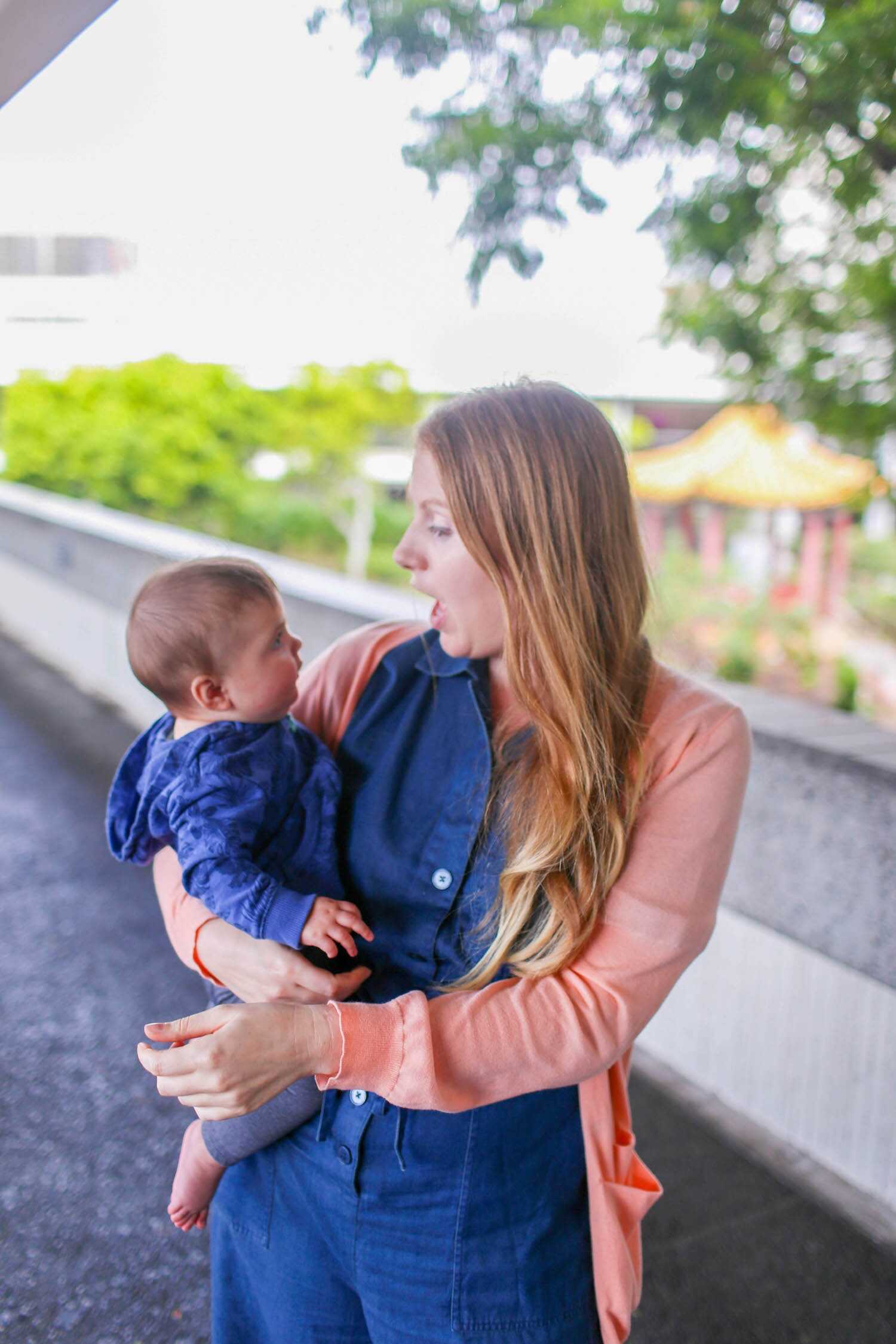
Tantrums can happen even with the best planning. Stay calm and don’t panic. Do your best to comfort your child and try to redirect their attention. Most passengers are understanding, especially when they see a parent is making efforts.
Come Prepared to Clean Up Messes
Spills and accidents are inevitable. Have wipes, plastic bags, and extra napkins on hand to manage messes efficiently.
Be Courteous to Fellow Passengers
A simple smile or apology (if needed) can go a long way in keeping the peace. Many people are more understanding than we expect. If someone does make a rude comment or gesture, just let it go and move on. We were all babies once, and mature adults won’t make parents feel any worse than they already do.
Arrival: The Final Stretch
Have a Plan for Baggage Claim
If you checked a stroller or car seat, find out where to retrieve it in advance. A baby carrier can be useful if you need hands-free mobility while waiting.
Expect Some Post-Flight Fatigue
Travel is exhausting for kids and adults alike. Give yourself grace and allow time to rest once you reach your destination.
Make the Most of Your Trip
Even if everything didn’t go perfectly, you made it! Celebrate the adventure and enjoy your trip. These memories will last a lifetime and don’t forget to take plenty of photos!

Final Thoughts
Flying with babies and kids doesn’t have to be a stressful experience. With preparation, patience, and a flexible attitude, you can create a smooth and even enjoyable journey. Remember, every trip gets easier as you and your children gain experience. So embrace the adventure and happy travels!